Whether you’re a seasoned gamer or just beginning to explore immersive worlds, a gaming PC upgrade is essential for achieving the high frame rates and low latency that virtual reality demands. VR systems typically require 90–120 frames per second to feel smooth, and any component lag can translate into motion sickness. From your graphics card to the cooling system, each part must cooperate at peak performance. Fortunately, upgrading is straightforward if you approach it methodically and know which parts truly matter.
Before you buy a new card or a faster processor, evaluate your existing hardware and identify real bottlenecks. Use built‑in tools such as Windows Task Manager or third‑party apps like MSI Afterburner to monitor GPU, CPU, and memory usage while running a VR title. Pay close attention to any component consistently hitting 100 % utilisation; that’s where the upgrade must focus. Also cross‑check your power supply rating and case airflow, because a new high‑end GPU can draw far more power and generate more heat.
Assess Your Current Setup and Identify Bottlenecks
The first step is to gather data on every subsystem during a VR test run. Tools like GPU-Z and HWMonitor can capture real‑time temperatures, clocks, and fan speeds, giving you a clear performance snapshot. If you notice GPU temperatures exceeding 85 °C or the CPU throttling to maintain heat limits, you’re already running into cooling constraints. Conversely, if the GPU sits comfortably under 70 °C while still maxing your frame buffer, it’s likely the CPU or memory that needs attention.
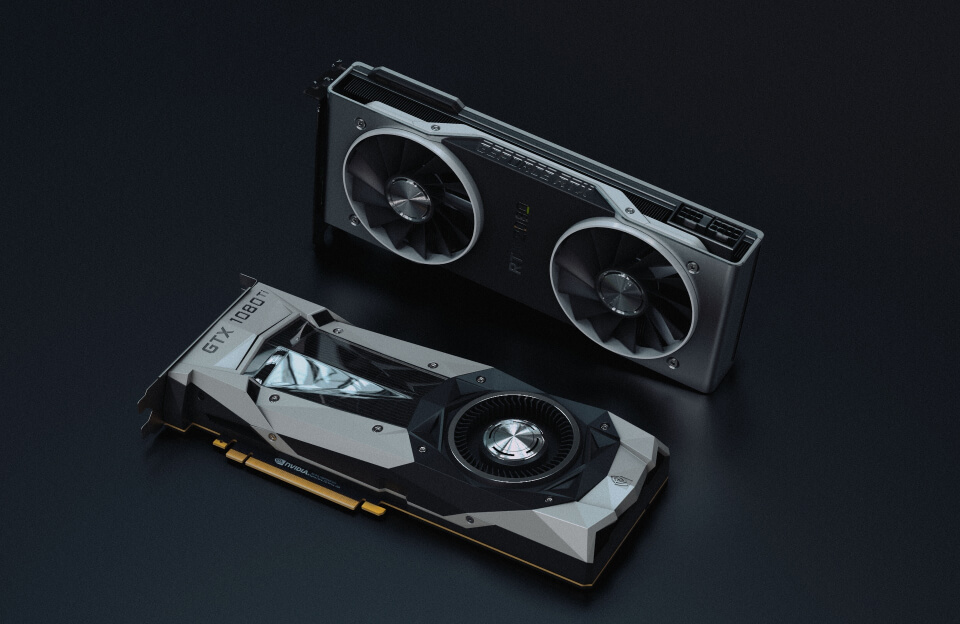
Many entry‑level rigs start with an older GPU model, such as the GeForce GTX 1060 or Radeon RX 580, which struggle under demanding eye‑tracking and high‑resolution displays. While these cards can still run less demanding titles, VR benchmarks show them lagging behind even beginner‑level experiences. Upgrading to a newer architecture—RTX 3060 Ti or AMD Radeon RX 6800—improves both core count and memory bandwidth, cutting latency by up to 30 %. For in‑depth specifications, consult the Graphics processing unit entry on Wikipedia.
CPU limitations manifest as smoothness issues when the game has to compute physics or AI on the fly. High‑clocked, multi‑core processors like the Intel Core i7‑12700K or AMD Ryzen 9 5900X can handle parallel tasks, ensuring your game logic doesn’t stall the render pipeline. Benchmarks from Virtual reality research show that CPU‑bound VR can drop up to 20 % frame rates compared to GPU‑bound scenarios. Therefore, pairing a robust CPU with an equally capable GPU creates a balanced system that sustains high frame rates throughout a session.
RAM is often an overlooked factor, yet its capacity and speed can throttle rendering and loading times. In VR, a minimum of 16 GB of DDR4 or DDR5 is recommended, but 32 GB is optimal for future titles that rely on larger world data. Higher memory frequencies—such as 3600 MHz or 4000 MHz—can reduce latency and improve texture streaming, especially when paired with a fast NVMe SSD. Monitor memory usage during gameplay; if capacity hits 90 % consistently, consider adding or upgrading modules.
The power supply should comfortably exceed the total wattage of all components, especially the new GPU. Most high‑end VR rigs need at least a 650W 80 Plus Gold PSU, with a dedicated 8‑pin or 12‑pin connector for the graphics card. Older supplies lacking sufficient rail stability can cause unexpected shutdowns during intense sessions, breaking immersion. Certified supplies from reputable manufacturers provide better efficiency and safer voltage regulation.
A well‑ventilated case allows the CPU and GPU to operate at lower, more stable temperatures. Consider adding at least two intake fans and one exhaust to create forward airflow; many premium cases ship with tempered‑glass panels for visual appeal. Dust filters and regular cleaning help maintain airflow; accumulation of grit can raise temps by 5–10 °C over time. Additionally, use a cable‑management kit to keep internal pathways clear for optimal airflow.
Choose the Right Graphics Card for VR
Graphics performance is paramount; VR targets a frame buffer of at least 110 fps per eye at 90 Hz refresh rates for comfort. Modern GPUs, such as the NVIDIA RTX 3070 Ti or AMD Radeon RX 6800 XT, deliver the necessary throughput with Tensor cores for eye‑tracking and ray tracing for realistic lighting. Although ray tracing adds visual fidelity, it can severely tax older GPUs; the RTX 30‑series cards include DLSS to mitigate that hit. For those seeking budget options that still deliver solid VR performance, the RTX 3060 Ti or AMD Radeon RX 6600 XT strike an effective balance.
When selecting a GPU, pay attention to the VRAM size—at least 8 GB is essential for high‑resolution textures. Upgrading to an 8 GB VRAM card, such as the RTX 3060 Ti, provides sufficient texture handling for 1142×1200 per eye on most headsets. Some flagship models, like the RTX 3090, boast 24 GB, allowing for future‑proofing and high‑resolution headsets like the Valve Index. Be aware that higher VRAM also demands stronger memory controllers and cooler temperatures; choose a cooler‑aware design.
Installation of a high‑end GPU often requires a motherboard with ample PCI‑e bandwidth. If you have a Ryzen 3000‑series board, a PCI‑e 3.0 x16 lane can limit performance; newer motherboards support PCI‑e 4.0, doubling the raw bandwidth. Even with older motherboards, most VR titles are not strictly bandwidth‑bound, but the extra headroom helps with future GPU releases. Ensure the slot is not obstructed by the CPU cooler; many large coolers block the GPU’s airflow if not properly spaced.
Don’t forget the GPU’s backplate; a reinforced backplate can reduce flex and improve heat dissipation. Premium cards from manufacturers like Nvidia or Sapphire often include a backplate made of metal or composite material, boosting rigidity. Replacing a flimsy plastic case plate with a custom backplate from a reputable fan or cooling vendor can also improve sound damping. Check the card’s mounting instructions before securing to ensure the backplate is oriented correctly.
The VR headset’s refresh rate and resolution must match the GPU output—double‑buffering helps keep latency low. Many headsets, such as Oculus Quest 2 and Valve Index, support 90 Hz or higher; matching this frame rate with GPU output ensures comfort and eliminates jitter. Use the headset’s developer portal to set optimal rendering resolution; some devices allow dynamic resolution scaling that helps maintain a steady fps floor. Be aware that multi‑display setups or mirror outputs consume additional GPU capacity; plan your monitor setup accordingly.
Upgrade the CPU and Memory for Seamless 90+ FPS
While the GPU pulls the pixel strings, the CPU orchestrates game logic, physics, and AI—an interplay crucial to VR’s fluidity. Fast, single‑threaded performance benefits most games, whereas multi‑threading helps with complex simulations and background streaming. Processors such as the Intel Core i7‑12700K or AMD Ryzen 9 5900X deliver strong performance in both aspects, with 16 to 8 cores, respectively. Benchmarks indicate that switching from a 6‑core to a 12‑core CPU can lift frame rates by up to 15 % in heavily threaded titles.
The memory speed directly influences texture streaming and CPU cache efficiency; aim for at least 3200 MHz DDR4 or 6000 MHz DDR5. High‑frequency RAM also shortens the latency that VR headsets experience, which can be measured in microseconds and impact comfort. Dual‑channel configurations double bandwidth versus single‑channel, so install matched pairs from the same kit. Consider a quality memory controller, like the XMP profile of Ryzen or Intel’s DCPMM, to unlock higher speeds with minimal configuration.
When budgeting, keep in mind that CPU cooling remains a priority—over‑clocking without adequate heat sinking risks thermal throttling. Custom water loops or high‑end air coolers rated for 80 W TDP provide stability across peak loads. An aftermarket cooler also reduces noise levels, preserving immersion during extended sessions. Use thermal paste such as Arctic MX‑R or Thermal Grizzly to ensure efficient heat transfer.
Upgrade planning should also factor in socket compatibility; a new CPU may require a motherboard upgrade if it’s not supported on your current chipset. For example, moving from a Z390 to a Z690 board may be necessary for the latest Intel Alder Lake processors, adding features like PCI‑e 4.0 and improved power delivery. Check the motherboard’s BIOS support list before purchasing the CPU to avoid incompatibility headaches. Use online compatibility tools from the component manufacturer for quick verification.
If you’re integrating an onboard GPU for secondary displays, ensure the BIOS settings prioritize the discrete GPU for VR output. You can disable Integrated Graphics in BIOS to free PCI‑e bandwidth—some boards expose this option under ‘Advanced’ or ‘Chipset’ settings. Additionally, enable ‘Above 8 V’ voltage and ‘PCI‑e Speed’ to maintain stable operation when the GPU draws heavy loads. Some motherboards also include a 10‑pin or 12‑pin power connector for high‑end GPUs; verify your board supports the required power configuration.
Optimizing CPU usage also involves updating drivers, firmware, and in‑game settings. Ensure your GPU drivers are at the latest version through Nvidia GeForce Experience or AMD Radeon Software; driver updates often include VR‑specific optimizations. Similarly, keep the headset firmware current, as updates can reduce latency and improve tracking accuracy. Finally, use the game’s dedicated VR performance settings to disable unwanted overlays or background animations that consume CPU cycles.
Refine Storage and Cooling for Persistent Performance
Storing VR assets on an NVMe SSD drastically reduces load times and texture stream stalls, compared to a SATA SSD or HDD. Fast read speeds—minimum 3000 MB/s—allow the GPU to stream high‑resolution textures without hitching. High‑end NVMe drives like the Samsung 980 PRO or Western Digital Black SN850 deliver consistent performance even under sustained write workloads. Mount the drive in a dedicated NVMe bay to avoid sharing bandwidth with other peripherals.
Cooling is as critical as power; sustained sessions can push temperatures beyond safe thresholds on the GPU, CPU, and RAM. Use an active radiative cooler or a fully sealed loop with efficient pump and radiator to maintain temperatures under 70 °C for the GPU even at 75 % load. For CPUs, consider a tower cooler or micro‑AIO with a 120 mm or 240 mm radiator, which provide good thermals for over‑clocked chips. Regularly clean dust filters and consider a case fan controller to adjust speeds based on temperature sensors.
Thermal throttling not only hurts performance but can also reduce lifespan; install thermal monitoring tools to receive alerts before damage occurs. Software like HWInfo can send real‑time alerts if a component exceeds a preset temperature threshold. Set thresholds slightly below your component’s rated max (e.g., 85 °C for GPUs) to create a buffer and prevent abrupt shutdowns. Keep the room temperature under 20 °C to maximize cooling efficiency if your system’s fans can’t compensate.
Noise is an often‑overlooked factor; a quiet setup enhances immersion by allowing you to focus fully on the virtual environment. Consider fans with fluid dynamic bearings and anti‑vibration mounts; some manufacturers embed sound‑dampening materials into the fan housing. Use speed profiles that allow fan speed to ramp only when necessary—high load warrants higher speed, but idle periods benefit from low fan spin. Combine noise reduction with efficient power usage to create a balanced ecosystem.
Configure VR Headset and Peripheral Connections for Ultimate Immersion
Ensuring a clean connection between your headset and PC is essential; high‑bandwidth HDMI or DisplayPort cables should be UL‑certified to prevent signal degradation. Use 4K/60 Hz cables, such as the DisplayPort 1.4 or HDMI 2.1, rated for 14 Gbps to support the headset’s maximum refresh rate. Cable management also reduces cable fatigue and improves airflow inside the case. Keep cables away from the GPU’s ventilation paths by routing them along the rear panel with dedicated cable ties.
Most VR headsets now support a dedicated headset dock or a USB‑C hub with a 5G or 20G connection for controller pairing. These docks often contain power delivery features for the headset, so a dock can also serve as the power source, relieving cable clutter. Make sure the hub’s firmware is up to date and that it supports the current VR SDK version. Using a single consolidated hub streamlines connectivity and reduces potential USB bandwidth conflicts.
Controller firmware and tracking optimization also play a vital role in latency. Run the headset’s tracking calibration wizard at least once a week or after any physical rearrangement. Update controller software via the PC’s companion app to access the latest tracking enhancements. Check that the headset’s field of view and placement of sensors are not obstructed by reflective surfaces or large metal objects.
Audio quality can immerse or distract; consider using a high‑fidelity headset jack or a dedicated audio interface for spatial sound. Many VR games rely on positional audio cues; a good headset driver such as Razer THX spatial audio enhances directional cues. Alternatively, external soundcards like the Focusrite Scarlett provide low‑latency audio processing. Test audio separately to verify levels before launching a long VR session.
Peripheral devices, such as a Wi‑Fi 6 router or wired Ethernet, can stabilize streaming or cloud workloads if your games rely on online components. High‑speed LAN reduces packet loss and latency, leading to smoother multiplayer VR experiences. Upgrade your router’s access point to support at least 5 GHz bands, ensuring the headset’s data transfer remains consistent. Additionally, consider disabling auto‑updates on services that might draw bandwidth during gaming.
By methodically upgrading your GPU, CPU, memory, storage, cooling, and headset setup, you’ll unlock a fully immersive VR experience that runs smoothly, reliably, and within safe thermal limits. Starting with a thorough bottleneck assessment ensures you invest only where it matters, avoiding unnecessary parts and keeping your budget in check. Keep system firmware and drivers current, and regularly monitor temperatures to protect your new investment. Remember that a balanced, well‑cooled rig is the foundation for years of comfortable, high‑performance VR.
Ready to level up? Download our free hardware compatibility checklist today and start building the VR‑ready rig you’ve always wanted. Share your upgrade stories with our community and stay tuned for the latest GPU benchmarks, VR headset releases, and power‑delivery innovations. Your ultimate virtual reality adventure is just a few clicks away—step into the future now.