For developers, modders, and gamers alike, the latest titles created with Unreal Engine can push a computer to its limits. To keep those games streaming smoothly, you’ll need to upgrade a gaming PC for Unreal Engine games with the right mix of processor, graphics card, memory, and storage. This guide walks you through the most critical components, why they matter, and the exact specifications that will future‑proof your system for next‑generation Unreal projects. By the end, you’ll know exactly how to build or refresh a rig that can deliver high frame rates, crisp ray lighting, and uninterrupted gameplay. Let’s dive into the details that will turn your budget build into a high‑performance workstation for Unreal Engine titles.
Upgrade a Gaming PC for Unreal Engine Games—Understanding Hardware Demands
Before you begin swapping parts, it’s essential to grasp why Unreal Engine 5 has such specific hardware requirements. The new engine’s Nanite virtualized geometry system and Lumen global illumination rely heavily on GPU compute power, making the graphics card a top priority. Likewise, the CPU’s clock speed and core count determine how quickly the engine processes gameplay logic and physics. Finally, the amount of system RAM and high‑speed storage dictates how quickly game assets can be streamed into memory, which is especially important when working with large open‑world scenes. By aligning each component’s capability with Unreal’s demands, you’ll avoid bottlenecks that can cripple frame rates.
Upgrade a Gaming PC for Unreal Engine Games—Selecting the CPU
The CPU is the brain of your gaming machine, and a powerful processor can dramatically reduce loading times and improve simulation efficiency. For Unreal Engine 5, Intel’s 12th‑generation Alder Lake or AMD’s Ryzen 7000 series are prime candidates; both families provide excellent single‑thread performance crucial for rendering tasks. When budgeting for a CPU upgrade, aim for at least 8–10 cores and a base clock above 3.5 GHz, as higher frequencies help the engine maintain 60‑plus frames per second at 4K resolution. Don’t forget about the accompanying motherboard chipset—ensure it supports the latest PCI‑e 4.0 or 5.0 lanes to accommodate future GPU upgrades.
Upgrade a Gaming PC for Unreal Engine Games—Choosing the GPU
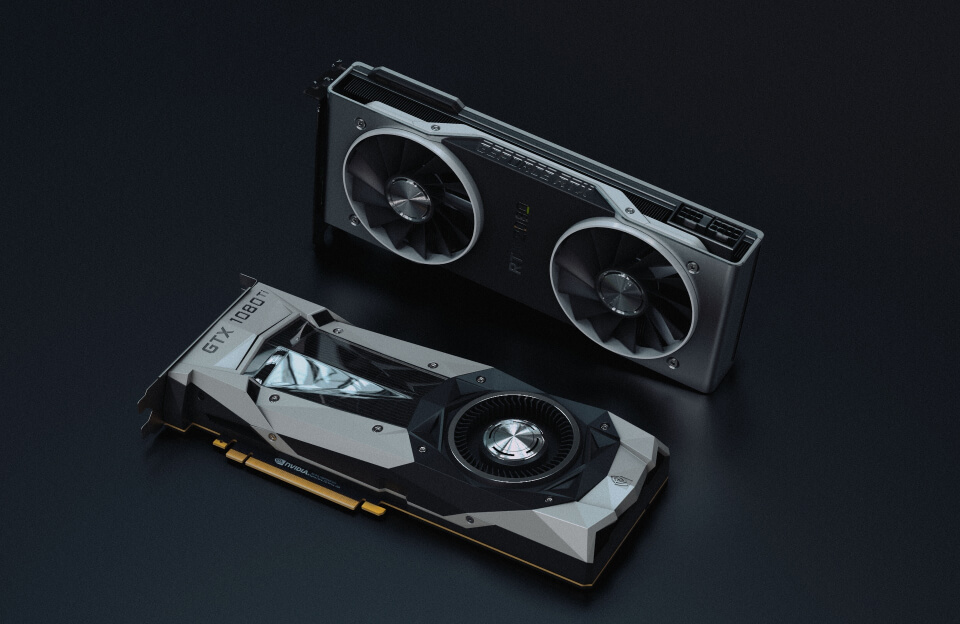
With ray tracing and Nanite, the GPU is the new critical bottleneck. NVIDIA’s RTX 30‑series, such as the RTX 3080 or RTX 3090, delivers unparalleled ray‑tracing throughput thanks to Tensor and RT cores. If budget is a concern, the RTX 3070 or RTX 4060 Ti still offer respectable performance, especially at 1080p or 1440p. AMD’s Radeon RX 6000‑series also competes well, but its ray‑tracing acceleration is less mature than NVIDIA’s, so you may need to settle for lower ray‑tracing quality levels. A good rule of thumb: match your GPU’s VRAM to the game’s required texture resolution; for UE5 projects, 8 GB is the minimum, but 10 GB or more ensures smoother performance.
Upgrade a Gaming PC for Unreal Engine Games—Memory and Storage Performance
System RAM is a shared resource between the CPU, GPU, and the operating system, so ample memory is essential for Unreal Engine’s multi‑threaded tasks. A 32‑GB DDR5 kit running at 5200 MHz or higher gives you ample headroom for large scenes and multi‑viewport editing. The Graphics Processing Unit itself usually contains between 8 GB and 24 GB of dedicated VRAM; pairing that with sufficient system RAM balances the workload. As for storage, U.S.D.S. have become the industry standard for game installations. A 1 TB NVMe SSD (or larger) offers read/write speeds exceeding 3500 MB/s, which reduces asset streaming lag during level editing.
- CPU: 10‑core, 3.6 GHz minimum
- GPU: RTX 3080 or better, 8 GB+ VRAM
- RAM: 32 GB DDR5 at 5200 MHz
- Storage: 1 TB NVMe SSD
- Power supply: 750 W 80+ Gold or better
These specs collectively keep Unreal Engine 5 happy under most demanding scenarios, from first‑person shooters to sprawling fantasy worlds.
Upgrade a Gaming PC for Unreal Engine Games—Cooling and Power Supply
As you push parts toward their performance limits, temperature becomes a critical concern. A reliable AIO (air‑to‑water) cooler or a capable air cooler, such as the Noctua NH‑D15, can keep high‑clock CPUs within safe operating ranges. For the GPU, consider a dual‑fan or triple‑fan design with a minimum of 250 W TDP; adding an additional case fan can improve airflow. Power headroom matters too: a 750‑W power supply rated 80 Plus Gold ensures stable delivery even under peak loads, while a 850‑W unit offers future‑proofing for next‑gen GPUs. Many power supplies now come with modular cabling, simplifying cable management for a clean and efficient setup.
Upgrade a Gaming PC for Unreal Engine Games—Step‑by‑Step Checklist
Below is a practical, order‑of‑operations guide to make the upgrade process smooth and budget‑friendly:
- Assess Your Current System: Identify which components are still current and which ones will need replacement.
- Set a Budget: Prioritize GPU and CPU upgrades as they have the largest performance impact.
- Purchase Compatible Parts: Check motherboard socket requirements and PCI‑e lane availability.
- Install the CPU and Cooler: Apply thermal paste carefully and ensure proper mounting.
- Mount the GPU: Secure it in the primary PCI‑e slot and connect all required power cables.
- Add RAM and Install SSD: Insert the memory modules into dual‑channel slots and slot the NVMe drive into the SATA‑NVMe bay.
- Connect the Power Supply: Wire all components, ensuring all connectors are secure and cables are routed.
- Update the BIOS: Load the latest firmware for maximum compatibility and performance.
- Install Operating System and Drivers: Use Windows 10/11 and download the latest GPU drivers from NVIDIA or AMD.
- Test Your System: Run benchmarking tools like PassMark or Unigine Heaven to confirm stability.
Following this checklist helps you stay organized and speeds up the time from purchase to game‑ready rig.
Upgrade a Gaming PC for Unreal Engine Games—The Final Thought
Upgrading a gaming PC for Unreal Engine games isn’t just about installing the newest parts; it’s about building a balanced ecosystem that meets the engine’s visual and computational demands. By selecting a modern CPU, a ray‑tracing–capable GPU, generous system memory, fast storage, and reliable cooling, you’ll create a machine that can handle epic lighting, detailed assets, and complex physics without breaking a sweat. Remember that every component affects the others: a bottleneck in one area can flatten the potential of the entire system. Armed with the specs, budget plan, and checklist above, you’re ready to transform your current setup into a high‑performance Unreal Engine powerhouse.
Ready to start your upgrade journey? Visit a reputable PC‑hardware retailer, review the components listed, and click that “Buy” button. For further guidance, keep exploring resources like PC World’s GPU upgrade guide and the official Unreal Engine optimization documentation. Your future self—and the next game you build—will thank you for investing in a well‑optimized, powerful PC that can push the limits of Unreal Engine technology.