
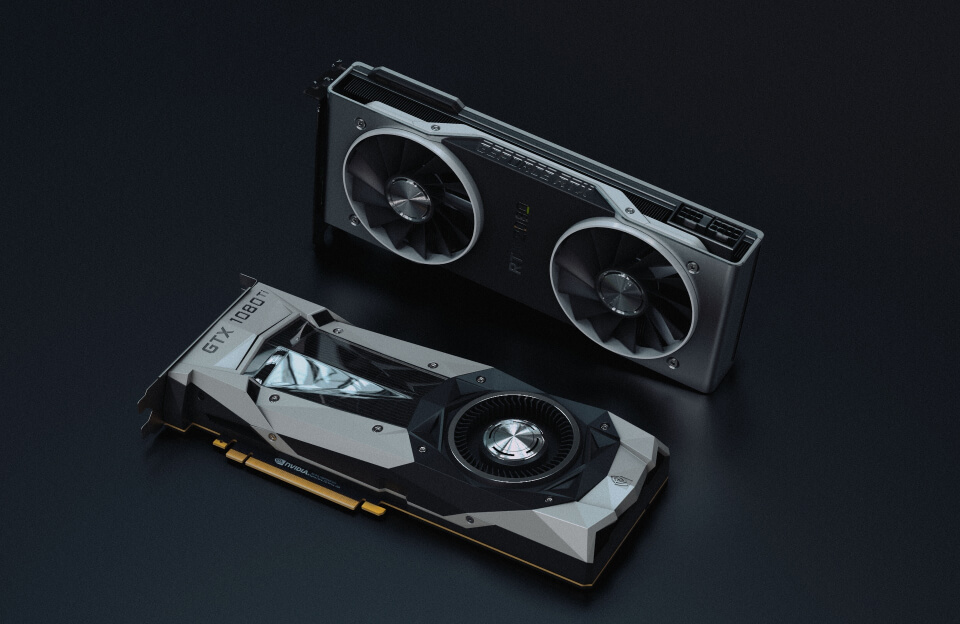
Keeping your computer running smoothly often hinges on one crucial component: the graphics processing unit, or GPU. When you update your GPU drivers, you can unlock better performance, resolve stability issues, and ensure compatibility with the latest games and creative applications. This guide walks you through the entire process, from identifying your graphics card model to verifying a successful installation, so you can stay on top of driver updates without hassle.
Why Keeping GPU Drivers Updated Matters
Modern GPUs evolve rapidly, and manufacturers release driver updates to address bugs, improve performance, and add support for new APIs like DirectX 12 or Vulkan. An outdated driver can cause screen flickering, crashes, or sub‑optimal frame rates, especially in graphically intensive software. Moreover, many security patches are rolled out through driver updates, protecting your system from potential exploits that target graphics vulnerabilities. In short, a regular driver update is a proactive step toward a stable, high‑performance PC.
Identify Your Graphics Card Model
Before you can download the correct file, you need to know exactly which GPU you own. Windows provides several built‑in methods to retrieve this information:
- Open Device Manager (right‑click the Start button > Device Manager) and expand the Display adapters section.
- Use the Microsoft System Information tool (type
msinfo32in the Run dialog) and look under Components → Display. - Run the
dxdiagcommand, switch to the Display tab, and note the Device Name field.
Make a note of the exact model name (e.g., NVIDIA GeForce RTX 3070 or AMD Radeon RX 6800 XT) and the operating system version you’re using, such as Windows 10, Windows 11, or a specific Linux distribution.
Download the Correct Driver
Once you have your GPU details, head to the official manufacturer website. Using reputable sources eliminates the risk of bundled malware that can accompany third‑party driver packages.
For NVIDIA GPUs, the most reliable portal is the NVIDIA Driver Download page. Choose the Option 1: Manual Driver Search, input your product series and operating system, and click “Search.” The site will list the latest Game Ready Driver (GRD) and Studio Driver (SD). Select the one that matches your primary use case.
For AMD GPUs, visit the AMD Drivers and Support page. After selecting your product, you’ll see the “Recommended” driver version alongside a “Optional” one for early adopters.
If you use an integrated Intel graphics chip, the Intel Download Center offers the latest Intel Graphics Driver for Windows. Always prefer the “DCH” version for newer Windows builds.
For those who prefer a consolidated source, the Wikipedia entry on GPUs includes a helpful overview of major vendors and links to their driver portals.
Install and Verify the Update
After downloading the appropriate installer, follow these steps to ensure a clean installation:
- Close all running applications. This includes games, video editors, and browsers.
- Run the installer as Administrator. Right‑click the file and select “Run as administrator” to grant the necessary privileges.
- Select a “Custom (Advanced)” install. This option typically offers a “Perform a clean installation” checkbox, which removes previous driver remnants.
- Allow the installer to reboot the system. A restart finalizes the driver swap and clears any lingering caches.
- Confirm the driver version. Return to Device Manager, double‑click the GPU, and check the “Driver” tab for the new version number.
To verify that the update improved performance, you can run built‑in benchmarks like NVIDIA’s GEFORCE Experience or use third‑party tools such as Unigine Heaven. Compare FPS (frames per second) before and after the update; a noticeable increase signals a successful driver upgrade.
Troubleshooting Common Issues
Even with a careful approach, you might encounter hiccups. Here are practical solutions for typical problems:
- Black screen after reboot. Boot into Safe Mode, uninstall the driver via “Add or Remove Programs,” then reinstall using the clean‑install option.
- Installation fails with error code 0x… Ensure Windows Update is up‑to‑date, as missing prerequisite components can block driver packages.
- Game crashes or shows graphical glitches. Roll back to the previous driver version via Device Manager, then test a different driver branch (e.g., NVIDIA Studio vs. Game Ready).
If issues persist, consult the official support forums for your GPU vendor or search the knowledge base on the Microsoft Windows driver update guide.
Best Practices for Ongoing Maintenance
Driver updates are released frequently, but you don’t need to install every minor patch immediately. Adopt a balanced schedule:
- Check for new releases once a month, especially before major game launches.
- Read the “Release Notes” to see if the update addresses issues relevant to your workflow.
- Create a system restore point before installing major driver versions, allowing you to revert if something goes wrong.
- Maintain a backup of the previous driver installer; many manufacturers keep older versions archived for rollback.
Following these practices keeps your system stable while ensuring you benefit from the latest performance enhancements and security patches.
Conclusion
Regularly updating your GPU drivers is a simple yet powerful habit that can extend the lifespan of your graphics card, improve gaming frame rates, and protect against security vulnerabilities. By identifying your GPU model, downloading the driver from an official source, and performing a clean installation, you’ll experience smoother performance with minimal downtime.
Ready to boost your PC’s graphics performance? Follow the steps outlined above, keep a backup of your current driver, and stay informed about upcoming releases. If you found this guide helpful, share it with fellow gamers and creators, and subscribe for more expert tips on optimizing your hardware.
Frequently Asked Questions
Q1. How often should I update my GPU drivers?
It’s a good practice to check for new driver releases at least once a month, especially before major game launches or software updates. New drivers often contain performance optimizations, bug fixes, and security patches that can improve stability. If you’re using a workstation for critical tasks, reviewing release notes before updating can help you decide whether a particular update is relevant.
Q2. Can I install a GPU driver from a third‑party source?
While some websites mirror driver packages, installing drivers from unofficial sources carries a risk of malware or corrupted files. Always download the driver directly from the GPU manufacturer’s official website (NVIDIA, AMD, or Intel) to ensure authenticity and receive the latest updates.
Q3. What is a “clean installation” and why should I use it?
A clean installation removes remnants of previous driver versions before installing the new package. This helps prevent conflicts, graphical glitches, or performance regressions that sometimes occur after multiple updates. Most driver installers offer a “Perform a clean installation” checkbox in the custom install mode.
Q4. My screen goes black after updating the driver. What should I do?
Boot Windows into Safe Mode, uninstall the newly installed driver via “Add or Remove Programs,” and then reinstall using the clean‑install option. If the problem persists, roll back to the previous driver version from Device Manager and check the manufacturer’s support forums for known issues.
Q5. How can I verify that a driver update improved performance?
Run a benchmark or a demanding game before and after the update and compare the FPS values. Tools such as Unigine Heaven, 3DMark, or NVIDIA’s GeForce Experience benchmark can provide consistent measurements. An increase in average frame rates or smoother gameplay indicates a successful driver upgrade.
