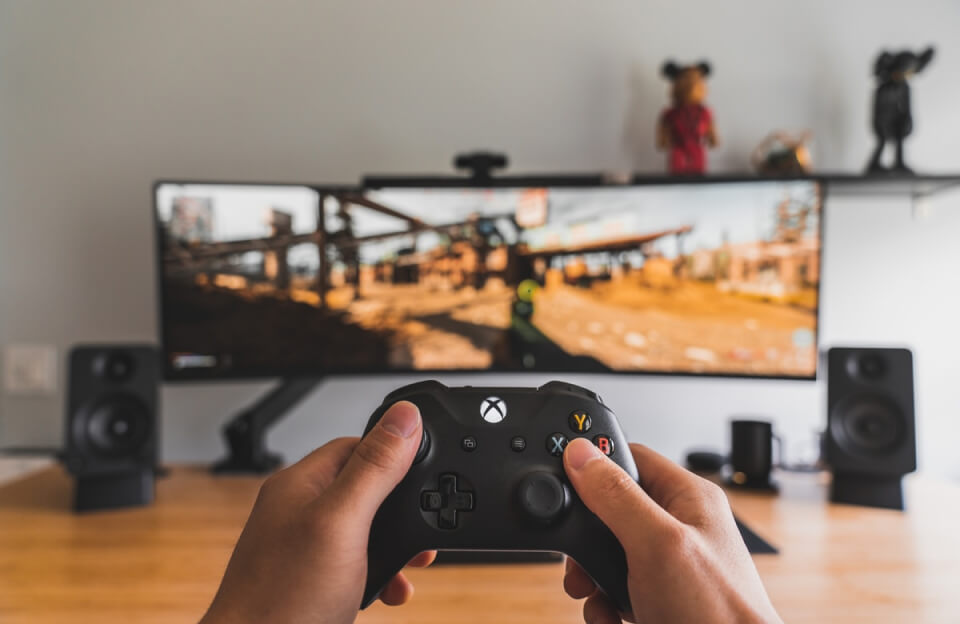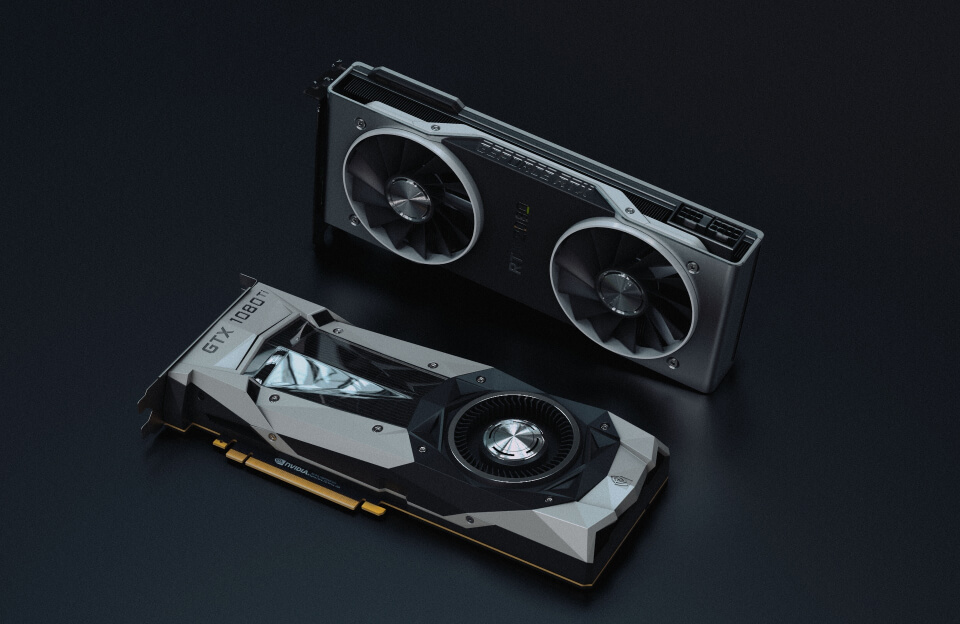
Every gamer wants a fast, responsive machine—more frames per second, smoother textures, and shorter load times. The obvious temptation is to overclock, but that can lead to instability, higher temperatures, and voided warranties. Instead, you can improve gaming PC performance through a combination of hardware optimization, storage upgrades, driver updates, thermal management, and in‑game fine‑tuning. These proven techniques let you unlock the full potential of your system while maintaining reliability and longevity.
Optimize Your Hardware Configuration
Before you start tweaking settings, double‑check that your core components are running at their standard specifications. A CPU or GPU installed below its base clock is a common oversight—check manufacturer profiles or use a tool like CPU‑Z to verify. If you’re using a multi‑core processor, ensure all cores are enabled by visiting your BIOS/UEFI and disabling any hidden core‑slicing options. The same applies to graphics hardware: confirm that the GPU is set to run at its advertised frequency set by the vendor rather than a locked lower setting imposed by some motherboard defaults.
- Confirm all PCIe lanes are fully available—some motherboards limit the GPU bandwidth when other high‑speed devices are active.
- Enable power‑saving modes that keep idle cores at minimal voltage but turn them on fully during load.
- Check that the system’s RAM is running at the advertised speed by inspecting SPD data via BIOS or tools like MemTest86.
Once hardware alignment is assured, you can move on to storage solutions that dramatically reduce load times.
Upgrade Your Storage for Faster Load Times
Modern games demand quick read/write speeds to deliver high‑resolution assets seamlessly. If you’re still relying on a spinning hard drive, a solid‑state drive (SSD) is the most effective baseline upgrade. Modern NVMe drives can offer sequential read speeds exceeding 3,500 MB/s, a 20‑fold improvement over typical 7200 RPM disks. Refer to this SSD installation guide for step‑by‑step instructions.
For the ultimate performance increase, consider a dual‑drive setup: an NVMe SSD for your operating system and frequently played titles, paired with a high‑capacity SATA SSD or HDD for additional media. This hybrid approach balances speed with storage space, ensuring critical games are instantly accessible while larger libraries remain cost‑effective.
When allocating games to your drive, keep the game’s “Install Location” in mind. Modern games also support “pre‑downloaded” patches; placing them on the faster NVMe drive can reduce runtime patching delays.
Fine‑Tune Operating System and Driver Settings
Operating system optimizations are an often overlooked source of gaming performance gains. Within Windows 10/11, enable “Game Mode” from the Settings menu; this prioritizes CPU allocation to running games and reduces background task interference. For professional use, adjust the “Processor power management” to “High performance” and set the “Minimum processor state” to 100 % to keep CPU cores fully operational during gaming.
Driver updates play a pivotal role as well. Visit the vendor’s site—NVIDIA, AMD, or Intel—to download the latest GPU driver that includes performance patches for the newest titles. The driver’s version history often lists benchmarks showing consistent frame‑rate improvements. Keep your chipset drivers up to date; most motherboard manufacturers provide BIOS updates that can resolve PCIe bandwidth and power delivery issues.
Manage Thermal Performance and Power Delivery
Heat is the unseen enemy of sustained gaming performance. Keep your CPU and GPU cool by ensuring adequate case airflow. Arrange cables to avoid obstructing intake vents, and use a fan controller or case fan hubs that allow variable speed settings based on temperature sensors. If you’re operating in a humid environment, consider adding a dehumidifier or using a dust filter to maintain air density and cooling efficiency.
Thermal paste can degrade over time, reducing heat transfer between the processor and its cooler. Reapplying high‑quality paste, such as phase‑change materials, can restore lost performance. For GPUs, ensure that the fans are spinning at the minimum RPM required to dissipate heat while keeping noise levels acceptable. Many modern GPUs expose fan curves via software like MSI Afterburner; adjust these curves to maintain a steady temperature threshold during extended sessions.
Finally, monitor power delivery. A weak power supply unit (PSU) can throttle GPU performance when the system draws peak loads. Verify your PSU’s wattage matches or exceeds the recommendations from the GPU and CPU manufacturers, and consider upgrading to a modular, high‑efficiency unit if you notice under‑delivery of power during gaming.
Fine‑Tune In‑Game Settings for Balanced Frame Rates
Even the most powerful hardware will be limited by improper in‑game configuration. Start by setting “Graphics Quality” to a pre‑configured target that matches your system’s capabilities; most titles offer “Low,” “Medium,” “High,” and “Ultra” presets. Fine‑tune individual parameters such as ray‑tracing, ambient occlusion, anti‑aliasing, and texture quality depending on real‑time performance data you collect via built‑in performance monitors or external tools like GPU Viewer.
Use a performance overlay to track FPS, frame times, and GPU/CPU usage simultaneously. This data lets you identify specific bottlenecks—whether your CPU is capping frame rates or the GPU is struggling with high‑resolution textures.
- Reduce resolution for the most demanding titles while keeping higher visuals for less intensive experiences.
- Enable V‑Sync or adaptive sync when tearing is a problem, as these can provide smoother gameplay without compromising performance significantly.
- Turn off nonessential effects like motion blur or depth of field if they don’t contribute significantly to immersion.
Once you have a balanced settings palette, test the changes in an action‑heavy scene; most modern games lock scenes at the same framerate, making these tests reliable indicators of genuine performance improvements.
Conclusion
By systematically verifying hardware configuration, upgrading storage, fine‑tuning OS and drivers, maintaining thermal integrity, and adjusting in‑game settings, you can noticeably elevate your gaming PC performance—all without risking the instability that overclocking can bring. These steps respect your hardware’s longevity while delivering the high frame rates and crisp visuals gamers demand. Ready to experience a faster, smoother drive? Start with a quick hardware diagnostic, install an NVMe SSD, and tweak your settings today—your next win is just a few clicks away.