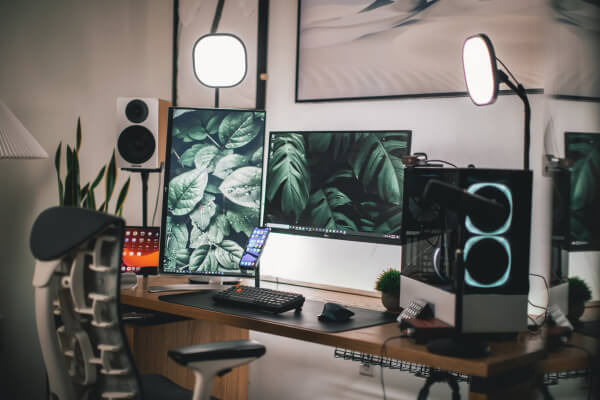
Building a gaming PC is a thrilling mix of technology, art, and budgeting. Whether you’re a seasoned enthusiast or a first‑time builder, knowing how to calculate the total cost of a gaming PC is essential for staying on track and getting the best value. Every component, from the CPU to the cables, adds to the final price, and overlooking even a single element can lead to unexpected surprises.
1. Identify Core Components and Their Prices
Start by listing the core components that every gaming rig requires: the processor, the motherboard, graphics card, memory, storage, power supply, and case. Use reliable price aggregators like PCPartPicker or Amazon to find current market rates. Keep in mind that prices fluctuate weekly, especially during sales events such as Prime Day or Black Friday, so bookmarking the data helps track value changes over time.
When researching component prices, include a buffer for shipping and taxes. Shipping rates for large items can reach $25–$40, and sales tax varies by state. A quick table can clarify the breakdown:
• Processor: $330
• GPU: $650
• Motherboard: $180
• 16 GB RAM: $80
• 1 TB SSD: $120
• PSU (80+ Gold): $110
• Case: $70
• Peripherals (monitor, keyboard, mouse, headset): $250
• Extra cooling and cables: $40
• Shipping & tax: $70
Total (initial estimate): $2,390. This figure is a baseline; it does not yet include future upgrade costs or maintenance.
2. Factor in Power Consumption and Efficiency
Power consumption is more than a footnote; it dictates power supply capacity and utility costs. Check the TDP (thermal design power) of your CPU and GPU, and then consult the manufacturer’s power guidelines. For example, a Ryzen 5 7600X has a 70 W TDP, while an RTX 4070 Ti draws around 300 W under load. A 650 W PSU (80+ Gold) is typically sufficient for that combo, but if you plan overclocking, you might require 750 W.
Calculate monthly electricity usage with a simple formula: ‥Power (kW) × 24 hours × 30 days × $0.13/kWh = monthly cost. For a 0.37 kW consumption (typical mid‑range setup), that translates to roughly $1.44 per month in U.S. prices. While small relative to the upfront cost, this recurring expense builds over time and impacts the overall cost of ownership.
3. Estimate Long‑Term Upgrade and Maintenance Costs
Owning a gaming PC is about more than the initial purchase. Components wear, software demands increase, and new hardware often drops onto the market. A 5‑year roadmap might include a new GPU (price can range from $200 to $600) and an SSD upgrade to 2 TB (around $150). Adding these figures to your initial estimate can help you decide whether a higher upfront spend is worth lower upgrade cycles.
Maintenance items—such as thermal paste, spare cables, and a portable power strip—can add another modest $30–$60 annually. When planning a comprehensive budget, it’s prudent to set aside a contingency fund of 5–10% of the total cost for unforeseen repairs.
4. Compare Bundles and Refurbished Options
Many retailers offer component bundles that can save you 5–10% compared to buying items individually. For instance, a “gaming PC builder” bundle may include a discounted GPU and matched CPU cooler. Sites like Newegg or Best Buy frequently feature bundle discounts that are hard to miss.
Refurbished or “open box” gear can also trim costs aggressively. Check reputable certified refurbishers such as Dell Outlet or NVIDIA’s Refurbished Store. A refurbished RTX 3060, for example, can cost $200–$250 lower than a new unit while still delivering full performance.
5. Build a Detailed Spreadsheet for Transparency
Recording every cost in a spreadsheet—price, vendor, shipping, tax, and warranty details—provides full transparency. Use separate tabs for components, peripherals, utilities, and future upgrades. This level of detail allows you to monitor spending against your budget and adjust as needed.
Excel’s built‑in “SUM” and “AVERAGE” functions help track the cumulative total and average cost per category. By linking the spreadsheet to live price feeds whenever possible, you can keep the budget dynamic and accurate.
Conclusion: Master the Total Cost of a Gaming PC
Calculating the total cost of a gaming PC isn’t an arbitrary exercise; it’s a strategic planning process that safeguards your wallet and enhances your gaming experience. By identifying each component, factoring in power and utility, accounting for future upgrades, and exploiting bundles or refurbished options, you’ll build a rig that delivers performance without hidden surprises.
Ready to assemble your dream machine? Start by compiling a list of your essential components, then visit PCPartPicker to compare prices and ensure every piece fits. If you need personalized guidance, consider consulting an experienced builder or a local PC repair shop. Your gaming journey awaits—calculate wisely and build boldly.