Keeping your GPU temperature under control is essential for a stable gaming or workstation experience. When a graphics card runs too hot, you may notice stutters, crashes, or even permanent hardware damage. This comprehensive GPU Temperature Fix guide walks you through the science behind overheating, the most common culprits, and proven methods to bring temperatures back to safe levels. By the end of the article you’ll have a clear action plan, reliable monitoring tools, and the confidence to maintain a cool, high‑performance system.
Understanding GPU Temperature Basics
Graphics cards are designed to operate within a specific thermal envelope, typically between 60 °C and 85 °C under load. Exceeding this range triggers thermal throttling, where the GPU deliberately reduces clock speeds to protect itself. While occasional spikes are normal, sustained high temperatures indicate a problem that needs fixing. For a deeper technical overview, see the Graphics Processing Unit entry on Wikipedia.
Common Causes of Overheating
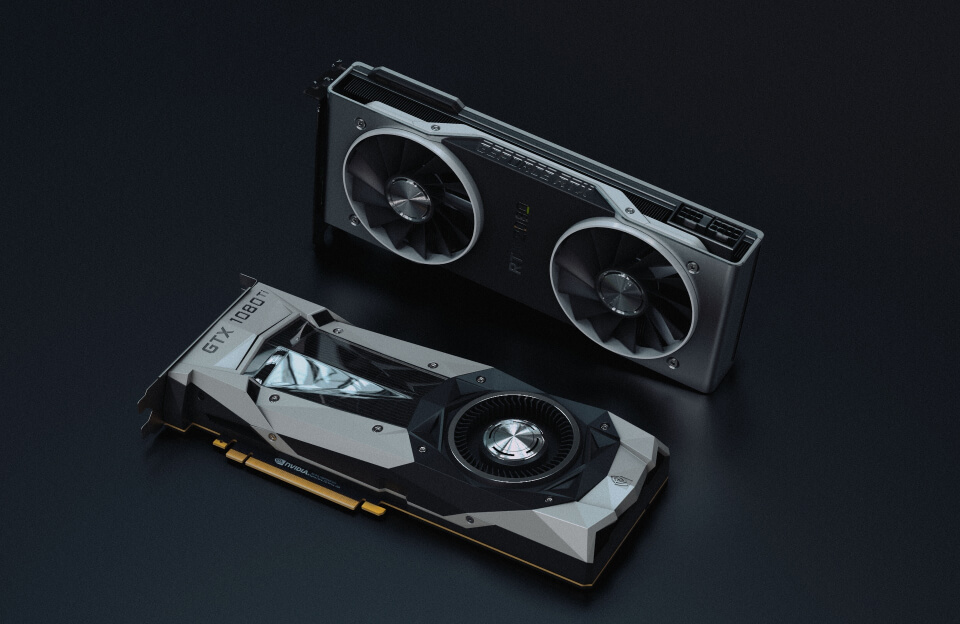
Before you start adjusting fan curves or buying new coolers, identify the root cause. The most frequent issues include dust buildup, inadequate case airflow, poor thermal paste application, and aggressive overclocking. Each factor contributes to what is often referred to as graphics card overheating.
Dust and Airflow Blockage
Dust acts like an insulating blanket, preventing heat from escaping. Over time, dust can clog heatsink fins and fan blades, dramatically reducing cooling efficiency. A simple visual inspection can reveal a thick layer of grime, especially on older rigs.
Insufficient Case Ventilation
Even a clean GPU will overheat if the surrounding air is stagnant. Small cases with limited intake and exhaust vents struggle to move enough cool air, leading to high ambient temperatures inside the chassis.
Old or Low‑Quality Thermal Paste
The thermal interface material (TIM) between the GPU die and its heatsink fills microscopic gaps. Over years, TIM can dry out, increasing thermal resistance. Replacing it with a high‑performance paste can shave several degrees off peak temperatures.
Overclocking Without Proper Cooling
Pushing core clocks and memory speeds without adjusting the cooling solution is a recipe for thermal trouble. Overclocking increases power draw and therefore heat output, which must be matched by an equally aggressive cooling strategy.
Effective GPU Temperature Fix Methods
Once you know why your graphics card is hot, you can apply targeted fixes. Below are the most reliable techniques, arranged from simplest to most involved.
Adjust Fan Curves
Modern GPUs allow users to customize fan speed curves based on temperature. Software such as MSI Afterburner or EVGA Precision X1 lets you set a more aggressive curve, causing fans to spin up earlier and keep the GPU cooler. Remember that higher fan speeds increase noise, so find a balance that suits your environment.
Improve Case Airflow
Optimizing the overall airflow in your case can have a dramatic impact. Follow these steps:
- Ensure at least one intake fan at the front and one exhaust at the rear.
- Consider adding a top exhaust fan to expel rising hot air.
- Use cable management to reduce obstruction.
- Leave space around the case for fresh air intake.
For detailed guidelines, refer to the DOE Cooling Standards published by the U.S. Department of Energy.
Apply High‑Quality Thermal Paste
When you remove the GPU cooler, clean off the old TIM with isopropyl alcohol and apply a pea‑sized amount of a reputable paste such as Arctic Silver 5 or Thermal Grizzly Kryonaut. Re‑attach the cooler following the manufacturer’s torque specifications to ensure even pressure.
Upgrade Cooling Solutions
If stock cooling isn’t enough, consider these upgrades:
- Aftermarket air coolers: Larger heatsinks with dual‑fan configurations provide better heat dissipation.
- All‑in‑One (AIO) liquid coolers: Some manufacturers offer GPU‑specific AIO kits that attach directly to the die.
- Hybrid solutions: Combining a robust air cooler with a small liquid pump can deliver the best of both worlds.
For technical specifications, the NVIDIA Thermal Design Guide offers valuable insight into heat pipe layouts and optimal fan placement.
Monitoring and Maintaining Safe Temperatures
After implementing fixes, continuous monitoring ensures your GPU stays within safe limits. Popular tools like HWMonitor, GPU-Z, and the built‑in Windows Performance Overlay provide real‑time temperature readouts. Set alerts for temperatures above 85 °C so you can intervene before throttling occurs.
In addition to software, adopt a regular maintenance schedule: clean dust every three months, re‑apply thermal paste every two years, and review fan curves after any major driver update. This proactive approach minimizes the risk of unexpected overheating.
Conclusion: Keep Your GPU Cool and Perform at Its Best
A well‑maintained graphics card not only delivers smoother frames but also extends its lifespan, saving you money in the long run. By following the steps outlined in this GPU Temperature Fix guide—understanding heat sources, applying targeted fixes, and monitoring results—you can confidently avoid thermal throttling and enjoy reliable performance.
Ready to take control of your GPU’s temperature? Download our free GPU Cooling Checklist today and start implementing the fixes that work for you. Stay cool, stay ahead.
Frequently Asked Questions
Q1. Why does my GPU temperature spike during gaming?
Gaming pushes the GPU to its maximum load, increasing power consumption and heat generation. If the cooling solution can’t dissipate this heat quickly enough, temperatures rise sharply. Poor airflow or dust can amplify the spike, and aggressive overclock settings may also cause sudden temperature jumps.
Q2. How often should I clean dust from my graphics card?
It’s recommended to clean the GPU and case fans every three to six months, depending on your environment. Pet hair, smoke, or a dusty room can accelerate buildup, so check visual signs monthly and perform a thorough cleaning at least twice a year.
Q3. Can changing the fan curve affect noise levels?
Yes. Raising the fan speed at lower temperatures will keep the GPU cooler but also increase audible fan noise. Find a balance by setting a moderate curve that ramps up only when temperatures approach the throttling threshold.
Q4. Is reapplying thermal paste worth it on an older GPU?
Replacing dried‑out thermal paste can recover several degrees of temperature headroom, especially on older cards that have been in service for 3+ years. Use a high‑quality paste and follow proper cleaning procedures for the best results.
Q5. What are the signs that my GPU is thermally throttling?
Typical symptoms include sudden frame‑rate drops, stuttering, or the GPU clock speed decreasing under load. You may also see temperature spikes that hover near the manufacturer’s limit, and occasional driver crashes.