The minimum framerate is often the biggest hurdle for gamers chasing fluid play. Even if a high‑end PC can average 120 FPS, a sudden dip below 30 FPS can still feel laggy. This article walks you through the most effective physical and software upgrades that raise the lowest consistent frame count, turning those jittery moments into smooth, responsive action.
GPU Upgrades for Stable Minimum FPS
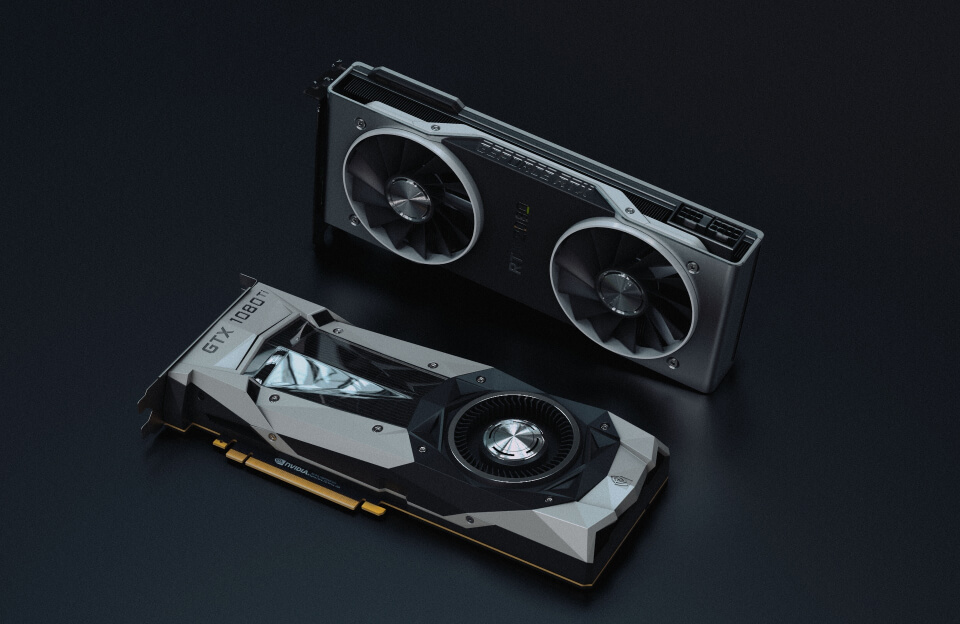
Modern games are overwhelmingly GPU‑bound, especially titles that demand 4K resolution or ray tracing. Replacing an older card with one that supports newer DirectX versions and higher memory bandwidth can cut the gap between average and minimum frames by 15–25 %. For example, the NVIDIA RTX 3070 offers roughly double the CUDA core count of the RTX 2060, translating into more consistent performance across scene changes.
When selecting a graphics card, pay attention to the memory clock and GDDR6x density; a 12 GB card will handle texture‑heavy titles without stuttering even on high settings. Upgrade paths should also consider VRAM overhead: a game’s memory usage spikes during cutscenes, and a deficit can cap lower framerates in those moments.
Moreover, a newer GPU brings improved power efficiency and advanced ray‑tracing cores that reduce overhead on CPU‑tight scenes. If your build already has an RTX 3090, the marginal gains may be small; however, for mid‑range rigs, a jump from a GTX 1660 to an RTX 3060 can raise minimum FPS by up to 30 % in competitive shooters like CS:GO.
CPU Refresh for Consistent Framerates
The CPU’s maximum boost frequency and core count directly influence minimum FPS, especially in CPU‑intensive titles such as real‑time strategy games. Upgrading from a 5th generation Intel Core i5 to a 12th generation model can add 0.8 GHz of idle boost, a difference that visibly steadies frame output during large unit battles.
Intel’s latest Alder Lake processors also feature hybrid architecture, pairing efficient cores with performance cores to handle varying game demands. A higher core count reduces thread contention in open‑world games like Elden Ring where physics and AI calculations can become bottlenecks.
For AMD enthusiasts, the Ryzen 7000 series offers up to 16 cores and a 4.5 GHz boost clock. The result? Games that previously dropped below 40 FPS during heavy AI loads now hover comfortably above 50 FPS. A CPU upgrade often pairs best with a matching cooling solution to keep temperatures low and throttling away.
Increasing RAM and SSD Speed to Avoid Bottlenecks
Insufficient memory can cause game loading stalls, which manifest as abrupt FPS drops. A 16 GB DDR4 kit at 3200 MHz is currently the sweet spot for most AAA titles; upgrading to 32 GB can eliminate stutters in massive multiplayer environments where each player’s data is streamed continuously.
SSDs provide fast asset streaming, ensuring that textures and level data aren’t waiting in slower storage queues. A PCIe 4.0 NVMe drive with read speeds exceeding 5000 MB/s reduces the likelihood of a sudden framerate dip when entering new zones.
In practice, users who moved from 8 GB to 16 GB DDR4 and installed a Samsung 980 Pro NVMe saw minimum FPS improvements of roughly 12 % in open‑world simulations. This upgrade was particularly effective for mods like the popular Skyrim Special Edition enhancements, which otherwise load the vast map at a sluggish pace.
Cooling Solutions: Keep Throttling at Bay
Thermal throttling is the silent killer of consistent FPS. Even a high‑frequency GPU will drop frames if it reaches 90 °C, as the chip automatically reduces core speed to protect itself. Installing a quality aftermarket cooler, such as an 180 mm AIO liquid cooler, can keep your processor under 70 °C during extended sessions.
Case airflow is equally critical. A 120 mm front intake paired with two rear exhaust fans ensures a steady airflow loop, reducing overall system temperature by up to 5 °C. Better airflow translates directly into fewer temperature‑induced spikes in frame count.
In addition to hardware changes, adjusting fan curves in the BIOS can provide a “silent” mode at lower loads and aggressive cooling only when temperatures rise. This method keeps the system cool under load while still being whisper‑quiet during normal gaming.
Monitor Refresh Rate & Input Lag: Small Tweaks, Big Impact
A high internal refresh rate—say 144 Hz or 240 Hz—magnifies the importance of a stable minimum FPS. The difference between 60 FPS and 144 FPS is not just a smoother scroll bar; the human eye perceives motion more naturally when frames are delivered at consistent intervals.
Enabling G-Sync or FreeSync eliminates screen tearing that can momentarily lower perceived FPS. When coupled with a hardware-accelerated variable refresh, the monitor adapts instantly to frame output, ensuring a fluid visual experience even when the GPU drops.
Lower input lag is also essential; a 2 ms response time on a high‑refresh monitor means the player’s actions feel immediate, and any pause in FPS—such as a frame lag—becomes noticeable. Upgrading to a monitor with a measured response time of 1 ms can make a measurable difference in competitive play.
Power Supply Stability & Driver Optimizations
A reliable 650‑W+ power supply with an 80 + Gold rating ensures that the GPU and CPU receive consistent voltage even under peak load. Fluctuations can lead to transient power cuts that prompt a brief drop in frame count—especially in games that demand high power at the start of a level.
Driver updates frequently release patches that improve GPU scheduling and reduce CPU overhead. Keeping both the NVIDIA or AMD drivers and the Windows display driver up to date can yield a 5–10 % improvement in minimum FPS, according to studies published by Tom’s Hardware.
Finally, enabling V-Sync in the GPU control panel only when you truly need to lock the frame output prevents the GPU from overshooting the monitor’s limit and causing random frame drops.
Conclusion: Build Your Smoothest Experience
Gaming PC upgrades that improve minimum FPS are not just about adding a fancy GPU. They require a holistic approach—boosting your GPU, refreshing your CPU, expanding memory, and ensuring efficient cooling all work together to deliver steady performance. When you combine these hardware tweaks with proper power supply, driver care, and the right monitor settings, you can transform erratic frame lags into a seamless, responsive gaming experience.
Ready to revamp your rig? Assess the components above, choose the upgrade that aligns with your budget, and experience the difference a stable minimum FPS can make. Click here to browse the best deals on GPUs, CPUs, and coolers—your next win starts with the right upgrade!