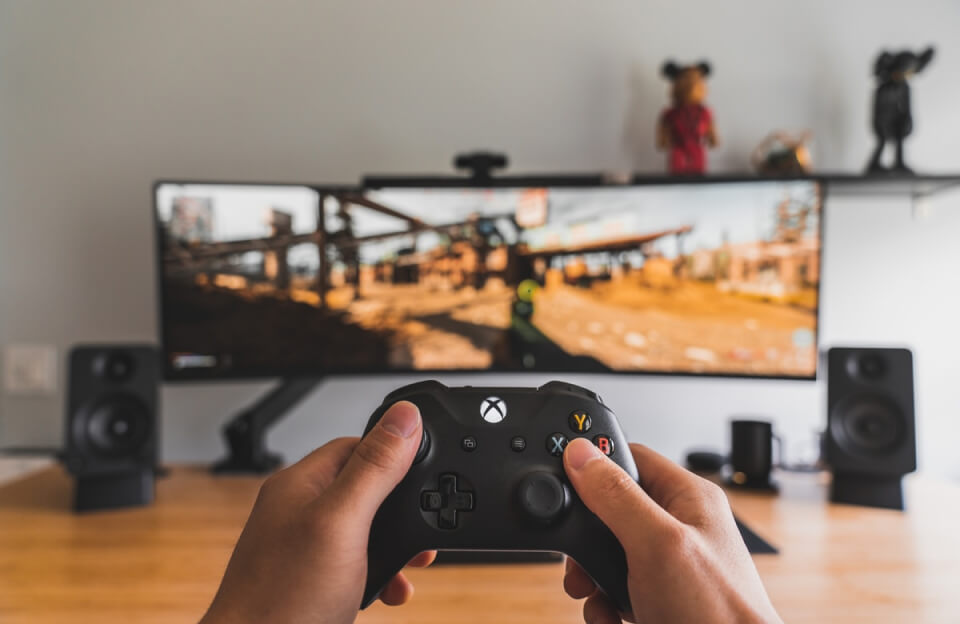
When you’re chasing that buttery‑smooth gameplay, frame pacing can be the difference between a lag‑free experience and a jittery one. Gaming PC Upgrades that target the right components—GPU, CPU, memory, storage, and cooling—can dramatically improve how evenly frames are delivered. In this guide we’ll walk through the most effective upgrades, explain why they matter, and give you a clear path to a more consistent frame rate.
Gaming PC Upgrades: Choosing the Right GPU
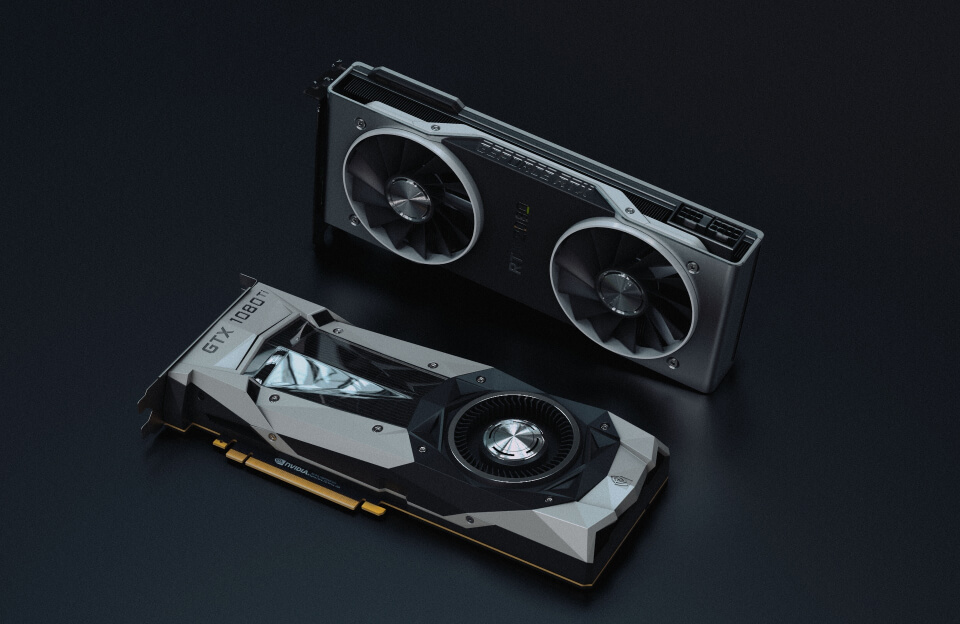
The graphics card is the heart of any gaming rig. A GPU that can keep up with the game’s demands will naturally produce smoother frame pacing. When selecting a new GPU, consider the following:
- Memory (VRAM) – Modern titles often require 8 GB or more. More VRAM reduces texture swapping and keeps frames steady.
- Clock Speed – Higher core and memory clocks translate to more processing power per frame.
- Ray‑Tracing and DLSS Support – These technologies can boost frame rates while maintaining visual fidelity.
- Thermal Design Power (TDP) – A lower TDP can mean less throttling under sustained load.
For example, the NVIDIA GeForce RTX 4070 Ti offers a sweet spot between performance and power consumption, while the AMD Radeon RX 7800 XT delivers competitive frame pacing in many titles. Graphics Processing Unit research shows that GPUs with higher memory bandwidth tend to maintain steadier frame intervals, especially in high‑resolution gaming.
Gaming PC Upgrades: Optimizing the CPU and Memory
While the GPU handles rendering, the CPU manages game logic, physics, and AI. A bottleneck here can cause irregular frame intervals even if the GPU is powerful. Upgrade your CPU to a model with higher core counts and faster single‑thread performance. Pair it with at least 16 GB of DDR4 or DDR5 RAM, running at the maximum supported speed for your motherboard. This combination reduces stutter caused by memory bandwidth limits.
Modern games also benefit from hyper‑threading and simultaneous multithreading (SMT), which allow the CPU to handle more threads simultaneously. The Intel Core i7‑13700K and AMD Ryzen 7 7700X are both excellent choices for gamers seeking consistent frame pacing.
According to a study from NVIDIA Education, CPUs with higher IPC (instructions per cycle) scores deliver smoother gameplay in CPU‑bound scenarios. Upgrading to a newer architecture can therefore directly improve frame pacing.
Gaming PC Upgrades: Fast Storage for Quick Load Times
Even if your GPU and CPU are top‑tier, slow storage can introduce micro‑stutters during level transitions or when streaming assets. Switching from a mechanical HDD to a PCIe NVMe SSD reduces load times from seconds to milliseconds. The faster read/write speeds also mean that the GPU receives data more consistently, which helps maintain steady frame intervals.
When selecting an SSD, look for models with sequential read speeds above 3,500 MB/s and random read/write speeds above 500 k IOPS. Brands like Samsung’s 980 Pro or Western Digital’s Black SN850 are well‑documented for their reliability and performance. Solid‑State Drive technology has become a standard recommendation for gamers who want to eliminate load‑time stutter.
Gaming PC Upgrades: Cooling and Power Delivery
Thermal throttling is a silent killer of frame pacing. When a GPU or CPU overheats, it automatically reduces clock speeds to protect itself, causing frames to arrive at irregular intervals. Investing in a high‑quality air cooler or a closed‑loop liquid cooling system can keep temperatures well below the throttling threshold.
Additionally, ensure your power supply unit (PSU) can deliver clean, stable power. A 80+ Gold or Platinum PSU with sufficient wattage (e.g., 650 W for a mid‑range build) reduces voltage fluctuations that can lead to micro‑stutters. Many users overlook the PSU, but a reliable unit is essential for consistent performance.
For those who want to push the limits, consider a small‑form factor (SFF) build with a custom water loop. While more complex, SFF water cooling can maintain lower temperatures even under sustained load, which is key for maintaining frame pacing during marathon sessions.
Gaming PC Upgrades: Software Tweaks and Driver Updates
Hardware upgrades are only part of the equation. Keeping your drivers up to date ensures that the GPU can communicate efficiently with the operating system and games. NVIDIA’s GeForce Experience and AMD’s Radeon Software both provide automatic driver updates that often include frame pacing improvements.
In addition, enable V-Sync or G-Sync/FreeSync depending on your monitor. These technologies synchronize the GPU’s output with the display’s refresh rate, eliminating tearing and reducing frame pacing irregularities. For competitive gamers, consider using a low‑latency mode or “frame rate limiter” to cap the FPS at a stable value that your monitor can handle.
Finally, monitor your system’s performance with tools like MSI Afterburner or HWMonitor. These utilities let you track GPU temperature, clock speeds, and frame intervals in real time, helping you identify bottlenecks and fine‑tune your settings.
Gaming PC Upgrades: Putting It All Together
Here’s a quick checklist to guide your upgrade path:
- Upgrade to a high‑performance GPU with ample VRAM.
- Replace your CPU with a newer, faster model and increase RAM to 16 GB or more.
- Swap out mechanical drives for a PCIe NVMe SSD.
- Install a robust cooling solution and a reliable PSU.
- Keep drivers updated and enable display‑sync technologies.
By addressing each of these areas, you’ll create a system that delivers consistent frame pacing, reducing stutter and improving overall gameplay fluidity.
Conclusion: Upgrade Today for Smoother Gaming
Consistent frame pacing is the hallmark of a truly immersive gaming experience. With the right Gaming PC Upgrades, you can eliminate jitter, reduce latency, and enjoy every frame as it was intended. Whether you’re a casual player or a competitive esports enthusiast, investing in the right GPU, CPU, storage, and cooling will pay dividends in performance and satisfaction.
Ready to take your rig to the next level? Start by evaluating your current components against the checklist above, and choose the upgrades that best fit your budget and gaming goals. Explore NVIDIA’s latest GPUs or check out AMD’s Radeon lineup today. Your next smooth gaming session is just a few clicks away.
Frequently Asked Questions
Q1. What is frame pacing and why does it matter?
Frame pacing refers to how evenly frames are delivered to your monitor. Consistent intervals prevent jitter and micro‑stutters, making gameplay feel fluid and responsive. Poor pacing can cause noticeable lag even if the average FPS is high, especially in fast‑paced games.
Q2. Which GPU upgrade gives the best frame pacing improvement?
Modern GPUs with high memory bandwidth and efficient architecture, such as the NVIDIA GeForce RTX 4070 Ti or AMD Radeon RX 7800 XT, deliver smoother frame pacing. Their balanced TDP and support for DLSS or FidelityFX help maintain steady frame intervals across varied titles.
Q3. How does the CPU affect frame pacing?
A powerful CPU with high single‑thread performance and many cores reduces logic bottlenecks that cause irregular frame drops. Models like the Intel Core i7‑13700K or AMD Ryzen 7 7700X provide the necessary throughput to keep the GPU fed consistently.
Q4. Can storage upgrades reduce stutter?
Yes. Switching from a mechanical HDD to a PCIe NVMe SSD eliminates micro‑stutters during asset streaming. Faster read/write speeds ensure the GPU receives data without delays, keeping frame intervals steady.
Q5. What software tweaks help maintain consistent frame rates?
Keeping drivers up to date, enabling V‑Sync or adaptive sync, and using a frame‑rate limiter can all smooth out pacing. Monitoring tools like MSI Afterburner allow you to fine‑tune settings and spot bottlenecks in real time.