Gaming PC Upgrades can transform a sluggish rig into a high‑performance machine that delivers buttery‑smooth frame pacing. Whether you’re chasing competitive titles or immersive open‑world adventures, consistent frame timing is the key to a responsive experience. In this guide, we’ll walk through the most effective hardware upgrades that target frame pacing, backed by real data and expert recommendations.
Understanding Frame Pacing and Its Impact
Frame pacing refers to the regularity with which frames are presented to the display. Even if a game averages 60 frames per second, irregular intervals between frames can cause noticeable stutter, especially on high refresh‑rate monitors. Poor pacing often stems from bottlenecks in the CPU, GPU, or memory subsystem, and it can be mitigated by balancing these components. By focusing on upgrades that reduce latency and increase throughput, you can achieve a steadier frame rhythm that feels more natural and less jittery.
CPU Upgrades for Smoother Gameplay
The central processing unit is the brain of your gaming PC, handling everything from physics calculations to AI logic. A faster CPU with higher core counts and improved IPC (instructions per cycle) can reduce frame pacing issues in CPU‑bound titles. Modern CPUs also feature larger caches and higher memory bandwidth, which help keep the GPU fed with data. When selecting a CPU, consider both clock speed and core efficiency to match your typical game library.
- Intel Core i7‑13700K – 16 cores, 24 threads, 5.4 GHz boost
- AMD Ryzen 9 7950X – 16 cores, 32 threads, 5.7 GHz boost
- Intel Core i5‑13600K – 14 cores, 20 threads, 5.1 GHz boost
- AMD Ryzen 7 7700X – 8 cores, 16 threads, 5.4 GHz boost
These processors offer a blend of high clock speeds and ample cores, making them ideal for games that demand strong single‑thread performance as well as those that can leverage multi‑threading. For more technical details, see the CPU page on Wikipedia.
GPU and VRAM: The Visual Powerhouses
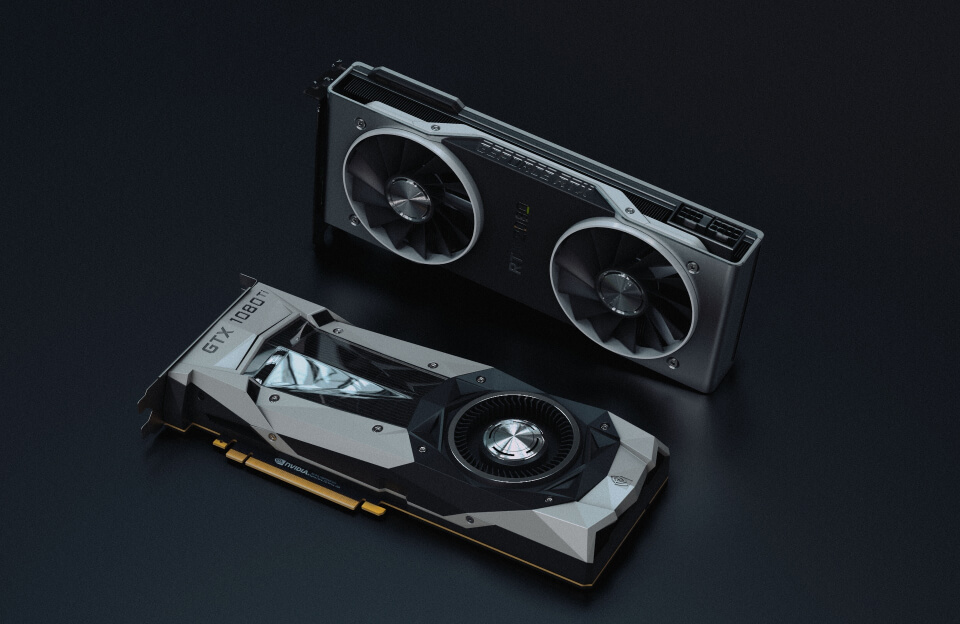
The graphics processing unit is responsible for rendering frames, and its performance directly influences frame pacing. A GPU with higher memory bandwidth and more CUDA or Stream processors can deliver frames more quickly, reducing the chance of stutter. Additionally, sufficient VRAM ensures that textures and assets remain in fast memory, preventing the GPU from stalling while waiting for data from the system RAM.
- NVIDIA RTX 4080 – 16 GB GDDR6X, 16.2 TFLOPs
- NVIDIA RTX 4070 Ti – 12 GB GDDR6X, 12.5 TFLOPs
- AMD Radeon RX 7900 XT – 20 GB GDDR6, 20.2 TFLOPs
- AMD Radeon RX 6800 XT – 16 GB GDDR6, 18.6 TFLOPs
For a deeper dive into GPU architecture, consult the GPU article on Wikipedia.
Cooling Solutions to Keep Performance Steady
Thermal throttling is a common culprit behind inconsistent frame pacing. When a CPU or GPU exceeds its thermal envelope, it automatically reduces clock speeds to protect hardware, leading to frame drops. Investing in a robust cooling system—whether a high‑performance air cooler or a closed‑loop liquid cooler—keeps temperatures low and allows components to maintain peak performance. Proper airflow within the case also plays a critical role in sustaining stable temperatures.
Learn more about cooling principles on the cooling page on Wikipedia.
Power Supply and Motherboard: The Unsung Heroes
A reliable power supply unit (PSU) ensures that all components receive clean, stable power, which is essential for consistent performance. Opt for a PSU with at least 80+ Gold certification and a modular design to reduce cable clutter and improve airflow. The motherboard’s VRM (voltage regulator module) quality also matters; a robust VRM can deliver steady voltage to the CPU, especially under load, preventing voltage dips that can cause stutter.
For technical specifications, see the power supply article on Wikipedia.
Software Tweaks and Overclocking for Optimal Frame Pacing
Hardware upgrades are only part of the equation. Software settings such as V‑Sync, G‑Sync, or adaptive sync can help smooth frame delivery by synchronizing the GPU output with the monitor’s refresh rate. Enabling a frame rate limiter that matches your monitor’s refresh rate can also reduce micro‑stutter caused by frames arriving too quickly. Overclocking, when done responsibly, can push both CPU and GPU beyond stock speeds, but it must be paired with adequate cooling to avoid thermal throttling.
For a comprehensive overview of overclocking techniques, refer to the overclocking page on Wikipedia.
Ready to elevate your gaming experience? Start with a balanced upgrade path that targets CPU, GPU, cooling, and power delivery. By addressing each component that influences frame pacing, you’ll enjoy smoother gameplay, reduced stutter, and a more immersive experience. Take the first step today and transform your rig into a frame‑pacing powerhouse.
Frequently Asked Questions
Q1. What is frame pacing and why does it matter?
Frame pacing refers to the consistency of frame delivery intervals. Good pacing ensures that frames arrive at regular intervals, reducing stutter and providing a smoother visual experience. Poor pacing can make even high‑fps games feel jerky.
Q2. Which component has the biggest impact on frame pacing?
Both CPU and GPU play significant roles, but the impact varies by game. CPU‑bound titles benefit most from a faster processor, while GPU‑bound games see the greatest gains from a more powerful graphics card.
Q3. How does cooling affect frame pacing?
Effective cooling prevents thermal throttling, which occurs when components reduce speed to stay within safe temperature limits. By keeping temperatures low, cooling solutions help maintain consistent clock speeds and, consequently, steady frame pacing.
Q4. Is overclocking safe for improving frame pacing?
When performed with proper cooling and voltage management, overclocking can safely increase performance. However, it carries risks such as increased heat output and potential hardware instability if not done carefully.
Q5. Should I enable V‑Sync to improve frame pacing?
V‑Sync can reduce screen tearing but may introduce input lag. Adaptive sync technologies like G‑Sync or FreeSync offer a better balance by synchronizing the monitor’s refresh rate with the GPU output without the drawbacks of traditional V‑Sync.