
When you’re looking to elevate your gaming experience, a well‑planned Gaming PC Upgrade can make the difference between a lag‑filled session and a buttery‑smooth playthrough. The key is to focus on performance‑driven components that deliver the most bang for your buck, while keeping future scalability in mind. In this guide, we’ll walk through a systematic upgrade strategy that balances CPU, GPU, memory, storage, and cooling, ensuring your rig stays competitive for years to come.
1. Identify Your Bottleneck
Before you start buying parts, you need to know what’s holding your system back. Use tools like CPU-Z or GPU-Z to monitor usage while gaming. If your CPU is maxing out at 90%+ while the GPU sits at 50%, the processor is the bottleneck. Conversely, if the GPU is the limiting factor, you’ll want to upgrade that first. This diagnostic step saves money and prevents you from buying the wrong component.
2. Prioritize the Core Components
Once you’ve pinpointed the bottleneck, focus on the core upgrades that deliver the most noticeable performance gains:
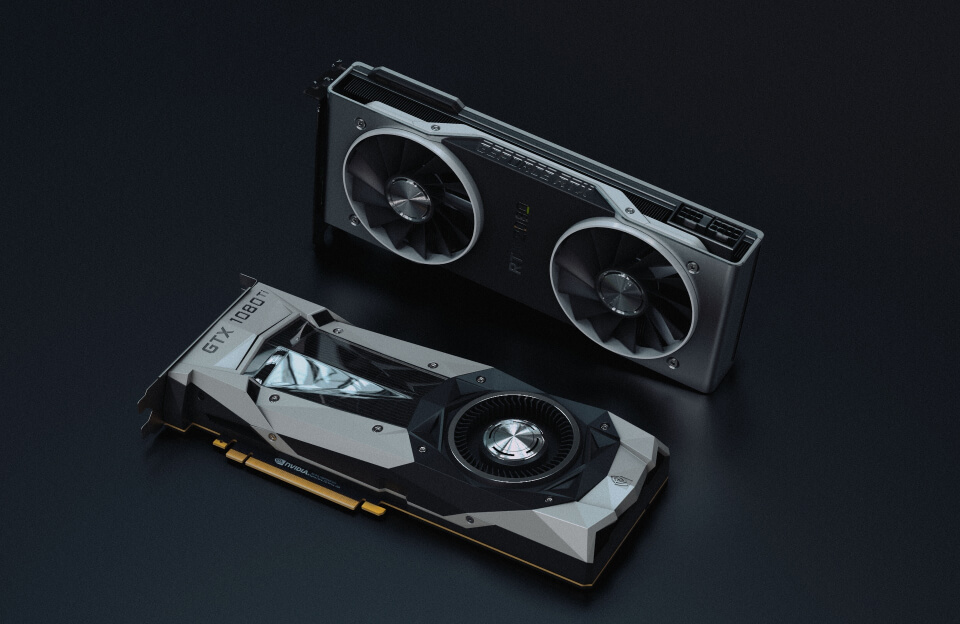
- Graphics Card (GPU) – The GPU is the heart of any gaming PC. For 1080p gaming, a mid‑range card like the RTX 3060 offers excellent performance. For 1440p or 4K, consider the RTX 3070 or 3080.
- Central Processing Unit (CPU) – A modern, multi‑core CPU such as the AMD Ryzen 5 5600X or Intel Core i5‑13600K provides the necessary horsepower for both gaming and multitasking.
- Random Access Memory (RAM) – 16 GB of DDR4 or DDR5 at 3200 MHz or higher is the sweet spot for most games. If you plan to stream or run virtual machines, upgrade to 32 GB.
- Solid‑State Drive (SSD) – NVMe SSDs deliver faster load times. A 1 TB drive is a good starting point; add a secondary SSD for game libraries.
These four components form the backbone of a high‑performance gaming rig. Upgrading them in tandem ensures that each part can keep up with the others, preventing new bottlenecks from emerging.
3. Optimize Cooling and Power Delivery
High‑end components generate significant heat and draw more power. Neglecting cooling can throttle performance and shorten component lifespan. Here’s what to consider:
- Case Airflow – Choose a case with ample intake and exhaust fans. A 120 mm or 140 mm fan on the front and rear can maintain a 30–40 °C temperature differential.
- CPU Cooler – Stock coolers often under‑perform with high‑clock CPUs. A reputable aftermarket air cooler or a 240 mm AIO liquid cooler can reduce temperatures by 10–15 °C.
- Power Supply Unit (PSU) – A 650 W to 750 W PSU with an 80+ Gold rating provides stable power and headroom for overclocking.
- Cable Management – Tidy cables improve airflow and reduce static interference.
Investing in quality cooling not only protects your hardware but also allows you to push components to their limits safely.
4. Plan for Future-Proofing
Gaming technology evolves rapidly. To keep your system relevant, consider the following future‑proofing tactics:
- Modular Power Supply – Easier to upgrade or replace as power demands increase.
- PCIe 4.0/5.0 Compatibility – New GPUs and SSDs will benefit from faster lanes.
- Expandable RAM Slots – Leave at least one empty slot for future memory upgrades.
- High‑Refresh‑Rate Monitor – Pair your GPU with a 144 Hz or 240 Hz display to fully utilize frame rates.
By anticipating future needs, you reduce the frequency of major rebuilds and extend the lifespan of your investment.
5. Budget‑Friendly Upgrade Paths
Not everyone has a large budget. Here are cost‑effective strategies that still deliver solid performance:
- Upgrade the GPU first, then add a mid‑range CPU if needed.
- Replace the HDD with an NVMe SSD; this alone can cut load times by 70%.
- Use a high‑quality aftermarket cooler instead of a new CPU.
- Buy a 16 GB RAM kit and add a second kit later.
These incremental steps allow you to spread costs over time while continuously improving your gaming experience.
Conclusion: Build Your Dream Gaming PC Today
By systematically identifying bottlenecks, prioritizing core upgrades, optimizing cooling, and planning for future growth, you can craft a Gaming PC Upgrade that delivers peak performance now and remains competitive tomorrow. Start with a clear performance goal—whether it’s 144 fps at 1080p or 60 fps at 4K—and choose components that align with that target. Remember, the best upgrade strategy is one that balances immediate gains with long‑term value.
Ready to elevate your gaming rig? Explore top components and compare prices today. Your next level of gaming awaits—upgrade smart, play hard.
Frequently Asked Questions
Q1. How do I determine which component is the bottleneck in my current setup?
Use monitoring tools such as CPU‑Z, GPU‑Z, or MSI Afterburner while playing a demanding game. If the CPU usage stays near 100% while the GPU is below 70%, the processor is the bottleneck. Conversely, if the GPU maxes out and the CPU stays low, the graphics card is limiting performance. This diagnostic step helps you target the right upgrade and avoid unnecessary spending.
Q2. What is the best GPU for 1080p gaming on a budget?
The NVIDIA RTX 3060 offers excellent 1080p performance at a reasonable price, delivering 60–120 fps in most titles. It also supports ray tracing and DLSS, which can boost frame rates without a huge performance hit. For a slightly higher budget, the RTX 3060 Ti or AMD Radeon RX 6600 XT provide even better value and future‑proofing for higher refresh rates.
Q3. Should I upgrade my CPU before my GPU?
Only if your current CPU is the bottleneck. If your CPU usage is high while the GPU is underutilized, a modern multi‑core CPU like the Ryzen 5 5600X or Intel i5‑13600K will give a noticeable lift. If the GPU is the limiting factor, prioritize a new graphics card first. Always check your system’s performance metrics before deciding.
Q4. How much RAM do I need for modern games?
Sixteen gigabytes of DDR4 or DDR5 at 3200 MHz or higher is the sweet spot for most games today. If you plan to stream, run virtual machines, or use memory‑intensive mods, upgrading to 32 GB will future‑proof your rig and keep multitasking smooth.
Q5. What cooling solutions are recommended for a mid‑range build?
Start with a case that has at least one 120 mm or 140 mm intake and a rear exhaust fan to maintain good airflow. Pair this with a reputable aftermarket air cooler or a 240 mm AIO liquid cooler to keep CPU temperatures 10–15 °C lower than stock solutions. Adding a few additional case fans and tidying cables will further improve airflow and reduce noise.
