When you’re building a gaming rig on a shoestring budget, every dollar counts, and a clear Gaming PC Upgrade Strategy can mean the difference between choppy frame rates and a smooth, immersive experience. This guide walks budget builders through a methodical approach that maximizes performance while minimizing cost, focusing on real‑world data, component compatibility, and long‑term value.
Assess Your Current Bottleneck
Before you start swapping parts, identify which component is limiting your performance. Use tools like HWMonitor or Windows Task Manager to monitor CPU, GPU, and RAM usage during your favorite titles. If the CPU consistently hits 100% while the GPU idles at 40%, your system is CPU‑bound; the opposite indicates a GPU bottleneck. Recognizing this early prevents wasteful upgrades.
Prioritize GPU Upgrades
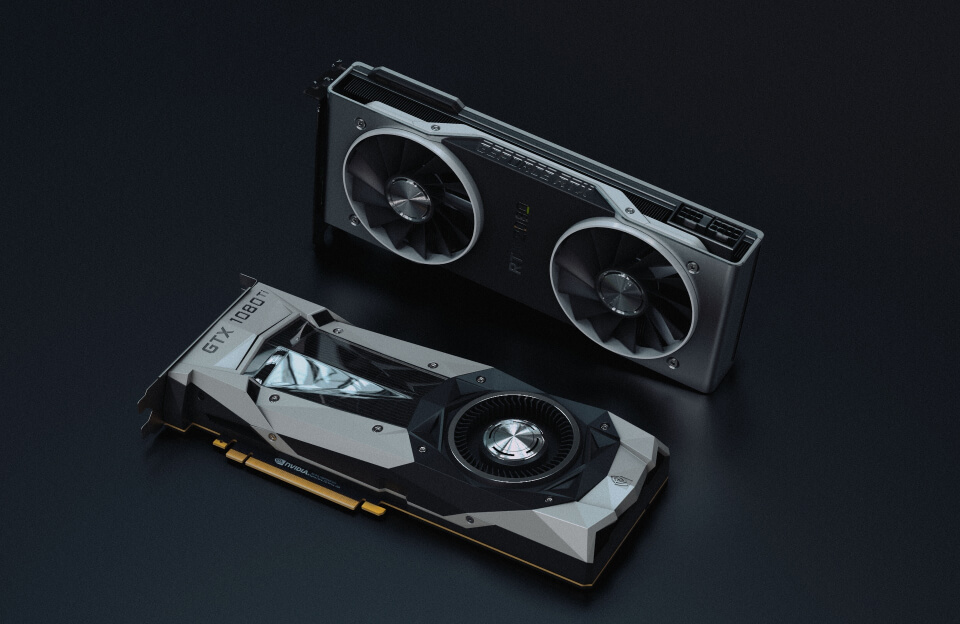
For most gamers, the graphics card delivers the most noticeable performance boost, especially at 1080p and 1440p resolutions. When shopping on a budget, consider the following:
- Performance per dollar: Look for cards that offer the best fps increase per $100 spent. The NVIDIA GTX 1660 Super and AMD Radeon RX 6500 XT are solid choices in the sub‑$250 range.
- VRAM requirements: Modern titles often need at least 6 GB of VRAM for high settings; aim for 8 GB if possible.
- Power draw: Verify that your existing power supply can handle the new card’s TDP. A 450 W unit is typically sufficient for mid‑range GPUs.
For a deeper dive into GPU generations, consult the Graphics Processing Unit Wikipedia page, which outlines performance benchmarks and architectural differences.
Smart RAM and Storage Choices
While RAM upgrades rarely double performance, they can eliminate stuttering in open‑world games and reduce load times. Aim for at least 16 GB of DDR4 at 3000 MHz; the performance gain from 8 GB to 16 GB is often more noticeable than a jump from 2400 MHz to 3000 MHz. When budgeting, prioritize a single 8 GB stick now, leaving a slot free for a future upgrade.
For storage, a solid‑state drive (SSD) dramatically improves boot and level‑load times compared to a traditional hard drive. A 500 GB NVMe SSD, such as the Western Digital Blue SN550, provides a good balance of speed and capacity without breaking the bank. Refer to the Solid‑State Drive Wikipedia article for technical details.
Future‑Proofing the Power Supply
A reliable power supply unit (PSU) protects your components and supports future upgrades. When selecting a PSU, consider:
- Efficiency rating: Look for 80 PLUS Bronze or higher; higher efficiency reduces electricity waste, a point highlighted by the U.S. Department of Energy.
- Headroom: Choose a unit with at least 20% more wattage than your current load to accommodate future GPU or CPU upgrades.
- Modular design: Fully modular PSUs simplify cable management and improve airflow inside the case.
Investing $20–$30 more now can save you from a costly replacement later.
Putting It All Together: Step‑by‑Step Upgrade Path
Here’s a concise roadmap you can follow, tailored for a typical $600‑budget build:
- Step 1 – Diagnose the bottleneck: Use monitoring tools and record CPU/GPU usage.
- Step 2 – Upgrade the GPU: Purchase a performance‑per‑dollar card (e.g., GTX 1660 Super).
- Step 3 – Add RAM if needed: Install an 8 GB DDR4 stick, planning for a second stick later.
- Step 4 – Switch to an SSD: Replace the OS drive with a 500 GB NVMe SSD.
- Step 5 – Evaluate PSU capacity: If your PSU is under 450 W or lacks 80 PLUS certification, upgrade to a 550 W Bronze unit.
- Step 6 – Test performance: Run benchmarks like 3DMark to verify gains.
Each step builds on the previous one, ensuring you spend money only where it matters most.
Maintaining the Balance: Cost‑Effective Tips
Even after upgrades, you can keep your system running smoothly without further investment:
- Regularly clean dust from fans and heatsinks to maintain thermal performance.
- Update GPU drivers from the manufacturer’s website for optimal game compatibility.
- Enable in‑game settings like motion blur reduction and lower shadow quality to squeeze extra frames.
- Consider tweaking Windows power plans to “High Performance” during gaming sessions.
These small habits extend the life of your budget build and delay the need for another upgrade cycle.
Conclusion
Crafting a successful Gaming PC Upgrade Strategy hinges on understanding your current bottleneck, investing wisely in the GPU, supplementing with sensible RAM and storage choices, and safeguarding the system with a robust, efficient power supply. By following the step‑by‑step path outlined above, budget builders can unlock a noticeable performance uplift without overspending.
Ready to transform your budget rig into a battle‑ready machine? Start planning your upgrades today, shop smart, and share your success stories in the comments below!
Frequently Asked Questions
Q1. How do I identify the bottleneck in my gaming PC?
Use monitoring tools such as HWMonitor, MSI Afterburner, or Windows Task Manager while running a demanding game. Look at the usage percentages of the CPU and GPU; if one consistently hits near 100 % while the other is much lower, that component is the bottleneck. Recording these metrics across several titles gives you a reliable picture of where to focus your upgrades.
Q2. What should I look for when buying a budget GPU?
Prioritize performance‑per‑dollar, checking benchmark tables to see the fps gain for the price you’ll pay. Aim for at least 6 GB of VRAM, though 8 GB is safer for future titles. Also verify that your current power supply can handle the card’s TDP and that the card fits inside your case.
Q3. Is 16 GB RAM worth upgrading from 8 GB for gaming?
Most modern games run comfortably on 8 GB, but open‑world titles and background applications can push memory usage higher. Upgrading to 16 GB reduces stutter and allows smoother multitasking without a noticeable FPS boost. It’s a relatively cheap upgrade that also future‑proofs your system.
Q4. Why is an SSD important and which type is best for a budget build?
An SSD cuts load times dramatically compared to a spinning hard drive, giving faster game startups and level transitions. For budget builds, a 500 GB NVMe SSD such as the WD Blue SN550 offers excellent speed at a low price. If you need more capacity, you can add a secondary SATA SSD or HDD later.
Q5. How can I choose a future‑proof power supply on a tight budget?
Look for an 80 PLUS Bronze rating or higher to ensure efficiency and lower electricity costs. Select a unit that provides at least 20 % more wattage than your current total load—the extra headroom accommodates future GPU or CPU upgrades. Fully modular PSUs simplify cable management and improve airflow, making them a worthwhile small investment.