When you’re looking to give your gaming rig a fresh boost, the first instinct is to chase the latest hardware and the biggest price tags. The reality, however, is that many upgrade myths can lead to wasted money and missed performance gains. In this guide, we’ll debunk the most common misconceptions about Gaming PC Upgrade decisions, so you can invest wisely and actually see the results you expect.
Myth 1: More RAM Always Means Faster Gaming
It’s tempting to think that adding 32 GB or even 64 GB of memory will instantly make every game run smoother. In practice, most modern titles require between 8 GB and 16 GB for optimal performance. The extra RAM is simply sitting idle, consuming power and cost without delivering a noticeable benefit. According to the Wikipedia entry on RAM, memory usage peaks during large open‑world scenes, but once you hit the sweet spot, additional capacity offers diminishing returns.
Myth 2: Bigger SSD Means Better Performance
Solid‑state drives have revolutionized load times, but the size of the drive is not a direct indicator of speed. A 500 GB SSD can be faster than a 2 TB SSD if the latter uses a slower interface or older NAND technology. The key factors are read/write speeds, interface (NVMe vs SATA), and the drive’s firmware. For example, the SSD Wikipedia page explains that NVMe drives can reach up to 3,500 MB/s, far outpacing SATA SSDs. Focus on the drive’s performance specifications rather than its capacity.
Myth 3: Overclocking Is a Guaranteed Performance Boost
Overclocking can squeeze extra frames per second, but it’s not a silver bullet. The effectiveness depends on the component’s silicon lottery, cooling solution, and power delivery. A well‑overclocked CPU might gain 5–10 % in benchmarks, but the same tweak on a GPU could lead to instability or reduced lifespan. The TechRepublic article on overclocking highlights that the gains are highly variable and often offset by increased heat and power consumption.
Myth 4: The Latest GPU Is Always the Best Choice
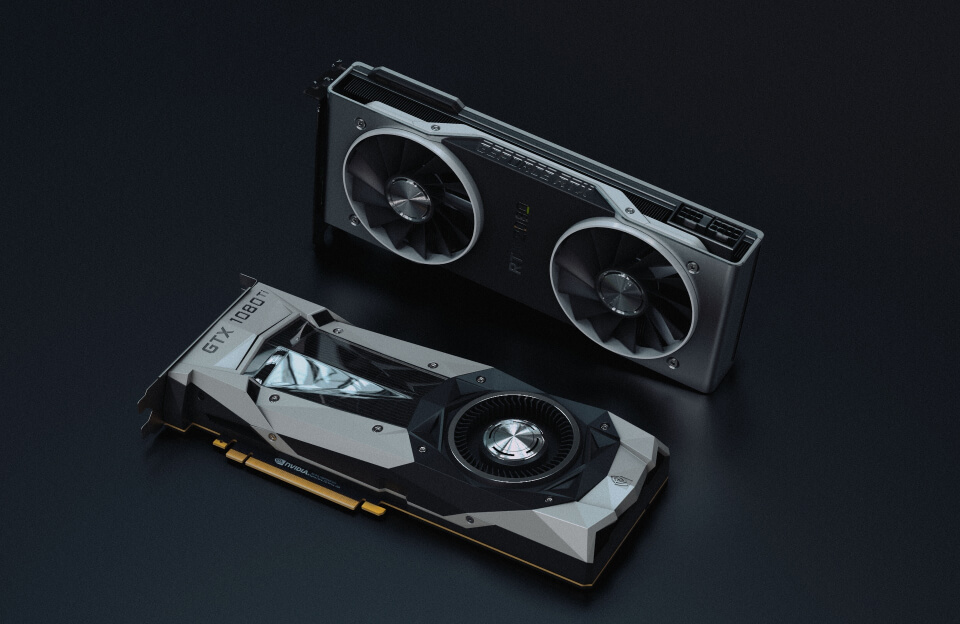
While the newest graphics card may boast higher clock speeds and new features, it isn’t always the most cost‑effective upgrade. Many gamers find that a slightly older model—such as the RTX 3060 Ti or the RTX 3070—offers a better price‑to‑performance ratio for 1080p or 1440p gaming. The GPU Wikipedia entry notes that architectural improvements can be incremental, and the real gains often come from balancing the GPU with a matching CPU and sufficient RAM.
Myth 5: Power Supply Upgrades Are Unnecessary for Mid‑Range Builds
Many users assume that a 500 W PSU is sufficient for a mid‑range system. However, power supplies have efficiency curves, and a unit that’s only 80 % efficient at peak load can waste significant energy and generate heat. The U.S. Department of Energy’s guide on energy‑efficient computing recommends selecting a PSU with at least 80 % efficiency at 50 % load, especially when future upgrades are anticipated. A higher‑quality PSU also protects your components from voltage spikes.
Key Factors to Consider When Upgrading
- CPU and GPU Balance – Avoid bottlenecks by ensuring the processor can keep up with the graphics card.
- Cooling Solution – Adequate airflow or liquid cooling is essential for sustained performance.
- Motherboard Compatibility – Check socket type, chipset, and expansion slots before purchasing.
- Future‑Proofing – Invest in components that will remain relevant for at least 2–3 years.
- Budget Allocation – Prioritize the component that delivers the most noticeable improvement for your gaming resolution.
Conclusion
When planning a Gaming PC Upgrade, it’s crucial to separate fact from hype. Over‑investing in RAM, chasing the newest GPU without considering your current setup, or ignoring the importance of a reliable power supply can drain your wallet without delivering the performance you expect. Focus on balanced upgrades, read reputable benchmarks, and remember that the best upgrade is the one that aligns with your specific gaming needs and budget.
Ready to upgrade smartly? Explore our detailed component reviews and start building a system that truly performs.
Frequently Asked Questions
Q1. Does adding more RAM always improve gaming performance?
No. Most modern games require between 8 GB and 16 GB of RAM. Adding 32 GB or more simply sits idle and adds cost and power consumption without noticeable gains.
Q2. Is a larger SSD always faster?
Not necessarily. Speed depends on read/write rates, interface (NVMe vs SATA), and firmware. A 500 GB NVMe drive can outperform a 2 TB SATA SSD.
Q3. Will overclocking always give me more frames per second?
Overclocking can boost performance, but results vary by silicon, cooling, and power delivery. It may also increase heat and reduce component lifespan.
Q4. Should I always buy the newest GPU?
Not always. Older models like the RTX 3060 Ti or RTX 3070 often offer better price‑to‑performance for 1080p/1440p gaming.
Q5. Is a 500 W PSU sufficient for a mid‑range build?
It depends on efficiency and future upgrades. A higher‑quality PSU with at least 80 % efficiency at 50 % load is recommended to avoid wasted energy and protect components.