When you’re looking to boost your gaming experience, the first instinct is often to splurge on the latest graphics card or a high‑end processor. However, many gamers fall into the trap of chasing myths that promise instant performance gains but ultimately waste money. In this guide, we’ll dissect the most common gaming PC upgrade myths, explain why they’re misleading, and show you how to make smart, cost‑effective decisions that truly elevate your gameplay.
Myth 1: The Latest GPU Is Always the Best Choice
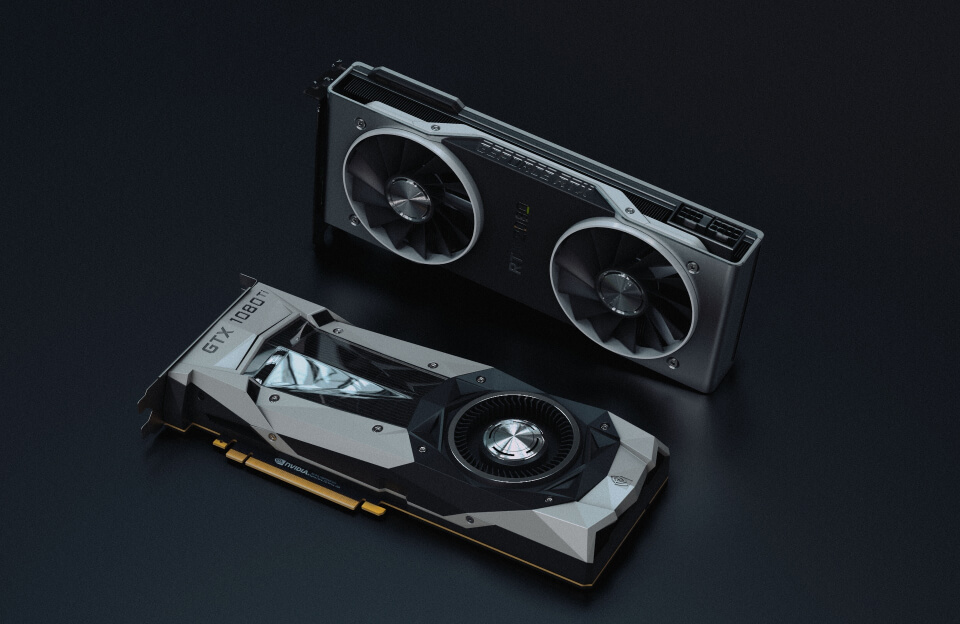
It’s tempting to buy the newest GPU just because it’s on the market. Yet, the performance jump from one generation to the next can be modest, especially if your CPU or RAM is a bottleneck. For example, the NVIDIA GeForce RTX 3060 Ti delivers comparable frame rates to the RTX 3070 in many titles when paired with a mid‑range CPU, but at a fraction of the price. The real value lies in matching the GPU to the rest of your system, not simply chasing the newest model.
Myth 2: More RAM Always Means Faster Games
While 16 GB of RAM is a solid baseline for most modern games, upgrading to 32 GB or more rarely yields noticeable gains unless you’re streaming, running virtual machines, or editing high‑resolution video. Most titles use between 8 GB and 12 GB of memory, so the extra capacity is often idle. A better use of funds is to invest in a faster SSD or a higher clock‑speed CPU, which can reduce load times and improve overall responsiveness.
Myth 3: Overclocking Is a Guaranteed Performance Boost
Overclocking can indeed squeeze extra performance out of a component, but it’s not a silver bullet. The gains are highly variable and depend on cooling, power delivery, and the specific silicon lottery of the part. Moreover, overclocking increases power consumption and heat output, which can shorten component lifespan if not managed properly. For most gamers, a modestly priced, higher‑clocked CPU or GPU offers a safer, more reliable performance increase than pushing a mid‑tier part beyond its rated limits.
Myth 4: A New Power Supply Is Unnecessary If Your Current One Is Working
Many users assume that a functioning power supply unit (PSU) can handle a new, more powerful GPU. However, the power draw of modern GPUs can exceed the capacity of older PSUs by a significant margin. A PSU that is only 80 + Bronze certified may struggle to deliver stable power under load, leading to crashes or hardware damage. Upgrading to a reputable 650 W or 750 W PSU with an 80 + Gold rating is a prudent investment that protects your entire system.
Myth 5: Bigger Monitors Always Improve Gaming Performance
While a larger screen can enhance immersion, it also demands more GPU power to maintain high frame rates. A 27‑inch 1440p monitor is often a sweet spot for 1080p gaming, offering a balance between visual fidelity and performance. If you’re on a tight budget, consider a 1080p monitor with a high refresh rate instead of a larger, higher‑resolution display that may bottleneck your GPU.
How to Build a Balanced Upgrade Path
Instead of chasing individual myths, focus on a holistic upgrade strategy. Below is a practical checklist that aligns component performance and cost:
- CPU: Choose a processor that matches your GPU’s tier. For example, pair an Intel Core i7‑12700K with a mid‑range GPU for balanced performance.
- GPU: Select a card that offers the best price‑per‑frame for your target resolution.
- RAM: 16 GB of DDR4 or DDR5 at 3200 MHz is sufficient for most games.
- Storage: Install a 500 GB NVMe SSD for the OS and key titles; add a secondary 1 TB SATA SSD for bulk storage.
- PSU: Upgrade to a 650 W or 750 W unit with an 80 + Gold rating.
- Cooling: Ensure adequate airflow; consider a high‑quality air cooler or a 240 mm AIO liquid cooler for the CPU.
Case Study: Budget vs. Premium Upgrade Paths
Below is a side‑by‑side comparison of two upgrade scenarios, illustrating how myth‑based spending can inflate costs without proportional gains.
| Component | Budget Path | Premium Path |
|---|---|---|
| CPU | Intel Core i5‑12400F | Intel Core i7‑12700K |
| GPU | NVIDIA RTX 3060 Ti | NVIDIA RTX 3070 |
| RAM | 16 GB DDR4 3200 MHz | 32 GB DDR5 4800 MHz |
| Storage | 500 GB NVMe SSD | 1 TB NVMe SSD |
| PSU | 550 W 80 + Bronze | 750 W 80 + Gold |
| Total Cost | $1,200 | $2,000 |
In many cases, the budget path delivers comparable frame rates in 1080p and 1440p, while the premium path offers marginal gains that may not justify the extra expense. This example underscores the importance of aligning upgrades with actual performance needs rather than chasing myths.
Conclusion: Invest Wisely, Not Just Expensively
By debunking these common gaming PC upgrade myths, you can avoid unnecessary spending and focus on components that truly enhance your experience. Remember, a balanced system—where the CPU, GPU, RAM, storage, and PSU are all appropriately matched—provides the best return on investment. Don’t let hype drive your decisions; let data and real-world benchmarks guide you. Start planning your next gaming PC upgrade today and make every dollar count.
Frequently Asked Questions
Q1. How much RAM do I really need for gaming?
Most modern games run comfortably with 16 GB of RAM. 32 GB is beneficial if you stream, run virtual machines, or edit video, but for pure gaming, 16 GB is usually sufficient.
Q2. Is a higher refresh rate monitor worth the extra cost?
A 144 Hz or 240 Hz monitor can provide smoother gameplay, especially in fast‑paced titles. However, the GPU must be powerful enough to sustain those frame rates; otherwise, the benefit is limited.
Q3. Can I upgrade my GPU without changing my PSU?
Only if your current PSU meets the new GPU’s power requirements and has the necessary connectors. Check the GPU’s TDP and compare it to your PSU’s output.
Q4. Does overclocking always improve performance?
Overclocking can boost performance, but the gains vary by component and cooling solution. It also increases power consumption and heat, which can affect longevity.
Q5. Should I buy a new case when upgrading components?
A new case is only necessary if your current one lacks sufficient airflow, has limited cable management, or cannot accommodate larger GPUs or cooling solutions.