When you invest in a Gaming PC Upgrade Mistakes that hurt performance, it’s not just about higher prices or flashy new components—it’s about ensuring every part works together to push your game to its limit. A popular myth is that the more expensive the parts, the better the results. In reality, poorly planned upgrades can create bottlenecks, overheating, and instability, driving the system into the opposite direction of your expectations.
1. Ignoring Power Supply Capacity
One of the most common oversights is choosing a power supply unit (PSU) that technically meets the stated wattage but falls short once you consider efficiency, headroom, and quality. The Power Supply Unit is the backbone of any gaming build; if it’s under‑powered or deficient, the system will throttle or even crash under load. Manufacturers often advertise a single PSU rating without detailing the real-world variations across different mod levels, making it a frequent source of upgrade headaches.
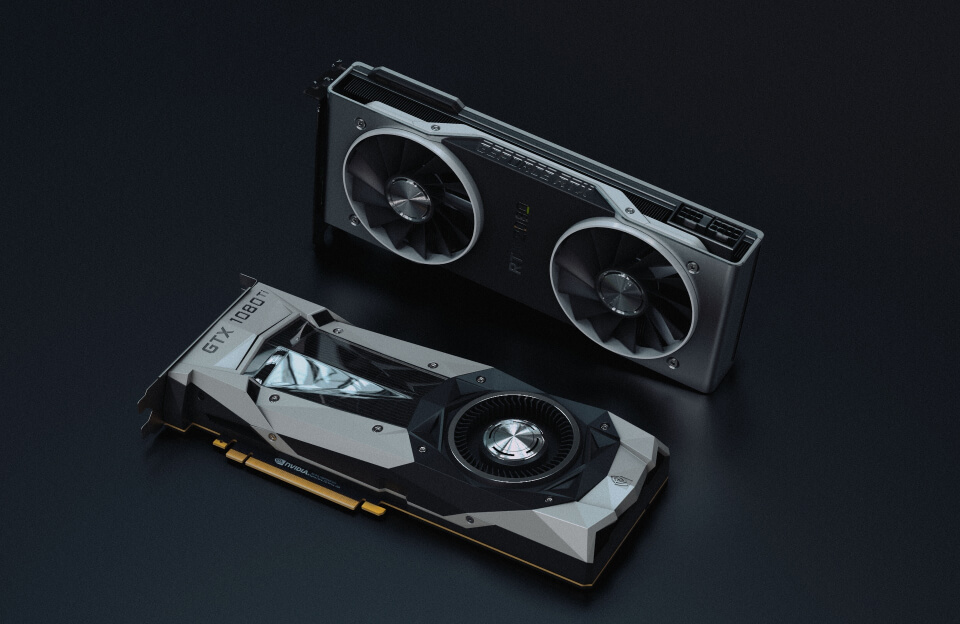
Key indicators of a weak PSU include inadequate connectors for new GPUs, low 12‑volt rail current, and a poor 80+ rating. When upgrading to high‑draw GPUs such as the NVIDIA GeForce RTX 4070 Ti or AMD Radeon RX 7800 XT, you’ll need at least an 850‑Watt unit with a 750‑Watt 12‑volt rail average. Pay close attention to the PSU’s certified efficiency rating—80+ Gold, Platinum, or Titanium—to guarantee consistent voltage delivery during sustained gameplay.
- Plan for headroom: Add at least 20% extra wattage beyond the sum of your components.
- Check connectors: A single PCI‑e power cable is often insufficient for dual‑connector cards.
- Choose reputable brands: Look for units from Corsair, Seasonic, or EVGA with verified reviews.
When in doubt, calculate your total power draw using online calculators, then select a PSU that sits comfortably above that figure. An underrated or under‑specified supply can cause the very performance spikes you’re trying to eliminate.
2. Skipping Proper Cooling Solutions
Heat is a silent killer of performance, especially when it comes to CPUs and GPUs. Many upgrade enthusiasts replace a system for the sake of better graphics, neglecting airflow and thermal management. As temperatures climb, modern hardware automatically throttles or slows down to preserve longevity—decreasing frame rates and causing stutter during intensive scenes.
Effective cooling starts with a balanced case; the computer case should accommodate multiple intake and exhaust fans for proper airflow. Neglecting case i.e. skipping sufficient intake fans or using poor airflow-rated fans can trap hot air inside, leading to higher idle and load temperatures.
When upgrading, evaluate your cooling kit—consider aftermarket air coolers, all‑in‑one (AIO) liquid coolers, or custom loops. Refrigerated or radiative systems can vastly outperform stock coolers when installed correctly.
- Measure airflow: Aim for 60–80 CFM per front fan for mid‑tower builds.
- Use dual‑rail or quad‑rail PCI‑e cables: They dissipate heat better than single‑rail setups.
- Look for low‑noise fans: A quieter system yields better stress tests and stable performance.
Professional reviews often show GPU temperatures rising over 80°C in a 500‑Watt power draw scenario when cooling is insufficient. An upgraded GPU paired with a substandard cooler can result in black‑out frames and missed tournament placements.
3. Overlooking Motherboard Compatibility
Motherboards provide the connective tissue of a PC—and misjudging compatibility can waste both time and money. When you swap CPUs to newer generations, ensure the socket and chipset support the new processor. For example, a Ryzen 5 5600X cannot fit on an older B450 board without a BIOS update, even if the socket type matches physically.
Chipsets also dictate feature sets such as PCIe lane allocation, USB port counts, and memory speeds. A direct upgrade from a B350 to an X570 board may seem attractive but can introduce an extra 3–5 years of latency during bandwidth‑heavy gaming.
Compatibility checks should include:
- CPU socket and chipset alignment.
- BIOS version support for the new CPU.
- RAM slot count and supported DDR4/DDR5 speeds.
- Expansion slots needed for new GPUs or NVMe drives.
Cross‑checking with the manufacturer’s official spec sheet, such as from ASUS Motherboard Compatibility List, will save you from purchasing a GPU that can never be utilized fully.
4. Neglecting BIOS Settings and Driver Updates
After moving to fresh hardware, the initial performance drop often stems from outdated BIOS settings or missing driver updates. Legacy BIOS profiles run at default values that do not optimize memory timings, CPU multiplier, or GPU voltage curves.
Update steps include:
- Download the latest BIOS from the motherboard’s support page.
- Enable overclocking features such as XMP for RAM and profile AAA for the CPU.
- Verify GPU driver from the official NVIDIA GeForce or AMD site.
- Install CPU and chipset drivers from the manufacturer’s website.
Even small latency improvements such as lower RAM timings or higher DDR4 clocks can translate to noticeable frame‑rate gains in titles like Fortnite or Doom Eternal. A common mistake is accepting the default 1.2 V for an aftermarket cooler, disregarding the benefits of a tuned voltage curve that reduces heat without sacrificing performance.
5. Failing to Manage Heat with Inadequate Case Flows
Case airflow is the final front line that protects your upgraded components. Poorly planned or absent airflow setups mean your system will cool slowly, leaving insufficient headroom for high‑performance GPUs which are prime contributors to heat spikes.
When planning a case upgrade, perform a “hot path” assessment. Identify which sections of the case receive power—what fans intake and exhaust. Offices or dorms often lack proper ventilation; a word of caution: a quiet room can inadvertently become a heat trap if fans are blocked by desk setups or sockets.
Make a simple table since you’re upgrading an older 300‑Watt system to a 600‑Watt architecture:
| Component | Power (W) |
|---|---|
| CPU | 125 |
| GPU | 300 |
| RAM | 35 |
| Storage | 15 |
| Misc. | 30 |
With a rough 500 W draw, a 700 W PSU is safe, but you also need to keep temperatures below 70°C under load. Choose a case with at least two/three intake fans, a rear exhaust, and cable management holes to keep airflow unobstructed.
Conclusion: Avoiding the Pitfalls, Achieving Peak Performance
Gaming PC upgrades can feel like a gamble, but careful planning turns that risk into a win. By verifying PSU capacity, installing proper cooling, ensuring motherboard compatibility, updating BIOS and drivers, and preserving case airflow, you’ll eliminate the most common mistakes that hurt performance. Each of these steps guarantees that the GPU and CPU work without interruption, creating a smooth, high‑frame‑rate experience.
Ready to level up without the headaches? Start your upgrade checklist today, verify each component, and drop the entire line of Gaming PC Upgrade Mistakes into your solution. Contact us now for a personalized hardware audit and start gaming at the full potential of your rig!