When you’re planning a Gaming PC Upgrade, the goal is to future‑proof your rig without breaking the bank. A well‑structured upgrade path keeps your system competitive for years, allowing you to enjoy the latest titles at high frame rates while maintaining stability. This guide walks you through the essential components, decision points, and practical steps to ensure your upgrade delivers lasting performance.
Assessing Your Current Build
Before you buy new parts, inventory what you already have. Identify bottlenecks by comparing your CPU, GPU, RAM, and storage speeds to the requirements of modern games. Use benchmarks from reputable sites like TechRepublic or CNET to see where your system lags. If your GPU is the limiting factor, a graphics card upgrade will yield the biggest gains. If your CPU is older than 2015, consider a new processor and motherboard pair.
Choosing the Right GPU
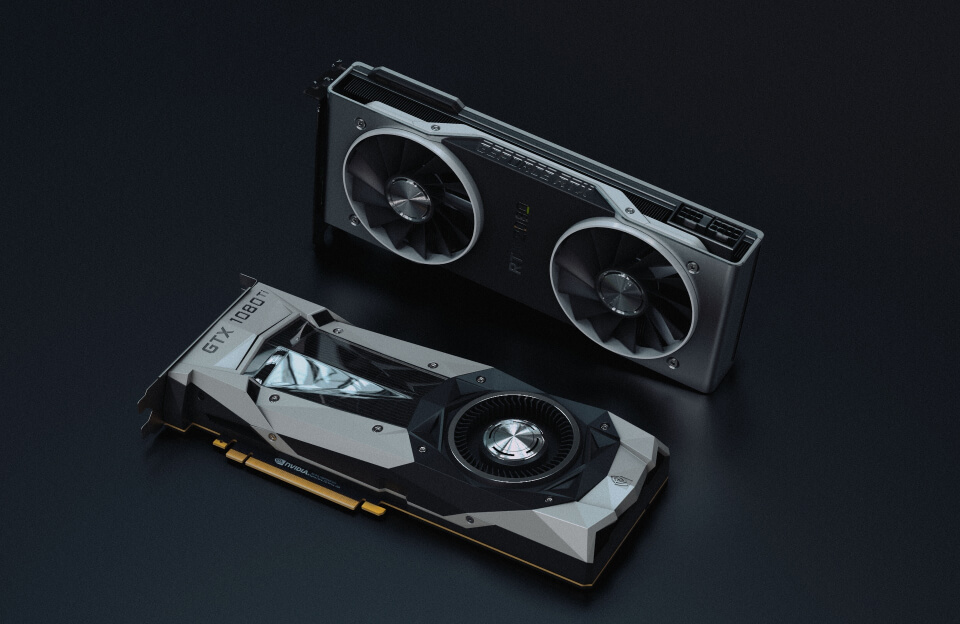
The graphics card is often the most noticeable upgrade. Look for a GPU that balances price, performance, and power consumption. NVIDIA’s GPU lineup and AMD’s Radeon series both offer models that fit a range of budgets. Pay attention to VRAM—8 GB is the sweet spot for 1080p and 1440p gaming, while 10–12 GB is advisable for 4K or high‑refresh‑rate monitors. Also, check the card’s TDP and ensure your power supply can handle the extra load.
CPU and Motherboard Considerations
Upgrading the CPU can unlock higher frame rates, especially in CPU‑bound titles. When selecting a processor, match it to your motherboard’s chipset and socket. For Intel, the 12th‑gen Alder Lake or 13th‑gen Raptor Lake CPUs pair well with Z690 or Z790 boards. For AMD, the Ryzen 5000 or 7000 series works best with X570 or B550 motherboards. Don’t forget to update the BIOS if you’re moving to a newer CPU generation. A modern chipset also offers better PCIe 4.0/5.0 support, which is crucial for future GPU and SSD upgrades.
Memory, Storage, and Cooling
RAM is often overlooked but can be a bottleneck in certain games. Aim for 16 GB of DDR4 or DDR5 at 3200 MHz or higher. Dual‑channel kits provide better bandwidth. For storage, NVMe SSDs deliver the fastest load times; a 1 TB drive is a good starting point for most gamers. Cooling is essential—consider an aftermarket air cooler or a 240‑mm AIO liquid cooler if you plan to overclock. Proper airflow also protects components from thermal throttling.
Power Supply and Case Upgrades
A reliable power supply unit (PSU) is the backbone of any upgrade. Choose a unit with at least 80 Plus Gold certification and enough wattage to support your new GPU and CPU. If you’re adding a high‑end card, a 650‑750 W PSU is typical. The case should accommodate the GPU’s length and the cooler’s height. Look for good ventilation and cable management features to keep temperatures low.
Upgrade Checklist
- Identify bottlenecks in CPU, GPU, RAM, and storage.
- Set a budget and prioritize components that deliver the most performance per dollar.
- Verify compatibility: socket, chipset, power connectors, and case dimensions.
- Check power supply capacity and upgrade if necessary.
- Plan for adequate cooling and airflow.
- Backup data before replacing drives or reinstalling the OS.
- Update BIOS and drivers after installation.
- Run benchmark tests to confirm performance gains.
Conclusion and Call to Action
By following this structured approach, you’ll transform your gaming rig into a long‑term powerhouse. Start with a clear assessment, choose components that align with your performance goals, and ensure every part works harmoniously. Remember, a thoughtful upgrade strategy not only boosts current performance but also extends the lifespan of your system, saving you money in the long run.
Ready to elevate your gaming experience? Visit NVIDIA’s GPU lineup or explore CPU options today and start building the future of your PC.
Frequently Asked Questions
Q1. How do I determine which component is the bottleneck in my current build?
Start by running benchmark tests on your CPU, GPU, RAM, and storage. Compare the results to the recommended specs for modern games. If the CPU score is significantly lower than the GPU, your processor is likely the bottleneck, and vice versa. Pay attention to frame‑rate drops in CPU‑bound titles versus GPU‑bound titles to confirm your assessment.
Q2. What GPU should I choose for 1080p vs 1440p gaming?
For 1080p gaming, a GPU with 8 GB of VRAM such as the RTX 3060 or Radeon RX 6600 XT offers excellent performance. At 1440p, you’ll benefit from 10–12 GB of VRAM, so consider cards like the RTX 3070 or Radeon RX 6800. Always check the card’s TDP and ensure your power supply can handle the extra load.
Q3. Do I need to upgrade my motherboard when I upgrade my CPU?
Yes, if the new CPU uses a different socket or chipset. For example, moving from an Intel 10th‑gen to a 12th‑gen processor requires a Z690 or Z790 board. AMD’s Ryzen 5000 and 7000 series also need X570 or B550 motherboards. Updating the BIOS is essential for compatibility.
Q4. How much RAM is enough for modern games?
Sixteen gigabytes of DDR4 or DDR5 at 3200 MHz or higher is the sweet spot for most gamers. Dual‑channel kits provide better bandwidth, and 32 GB is recommended for future‑proofing or for memory‑intensive titles like simulation games.
Q5. What power supply wattage is recommended for a high‑end GPU?
A 650‑750 W PSU with 80 Plus Gold certification is typical for high‑end GPUs such as the RTX 3080 or Radeon RX 6800 XT. Ensure the PSU has the necessary 8‑pin or 12‑pin connectors and enough headroom for overclocking. A higher wattage unit also offers better efficiency and longevity.