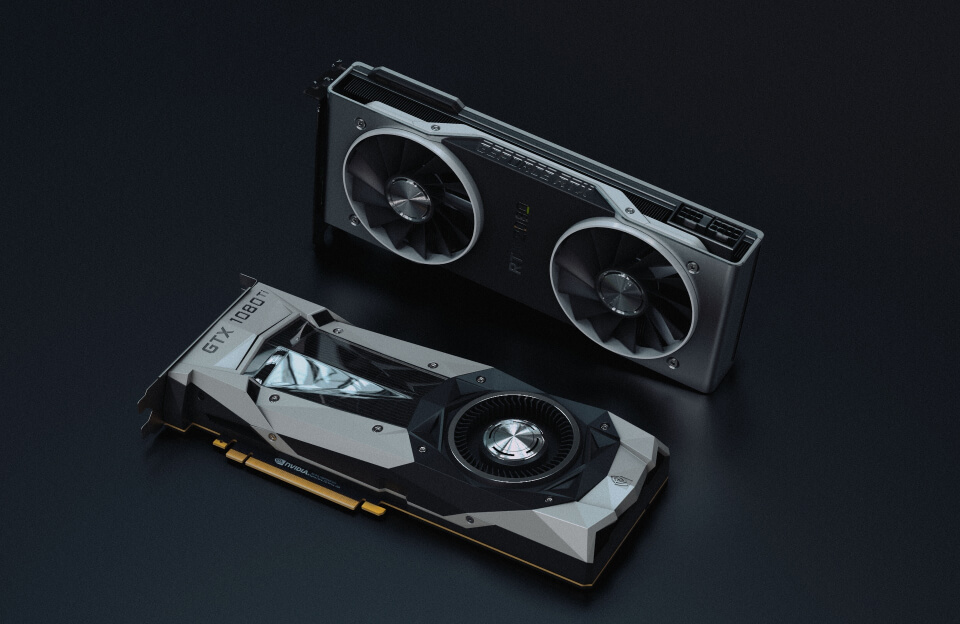
Keeping a high‑performance rig running smoothly requires more than just buying the latest graphics card. A well‑structured Gaming PC Maintenance Checklist helps you avoid costly downtime, extend component life, and maintain optimal frame rates. In this guide we’ll walk through daily, weekly, and monthly tasks, explain why each step matters, and provide links to authoritative resources so you can back up every recommendation with proven standards.
Why a Gaming PC Maintenance Checklist Matters
Modern gaming rigs generate a lot of heat, run intensive software updates, and are often pushed to their limits with overclocking. Without a systematic approach, dust can accumulate on heatsinks, thermal paste can dry out, and drivers may fall behind, leading to stutters, crashes, or even hardware failure. According to Computer maintenance best practices, regular inspection and cleaning dramatically reduce the risk of component overheating and performance degradation.
Daily Tasks on Your Gaming PC Maintenance Checklist
In the fast‑paced world of gaming, daily habits are the first line of defense. Even a short 10‑minute routine can keep your system healthy:
- Close background applications. Use Task Manager to end unnecessary processes that consume CPU or RAM.
- Check for software updates. Enable automatic updates for your operating system, GPU drivers, and game launchers; this ensures you benefit from security patches and performance optimizations.
- Monitor temperatures. Tools like HWMonitor or MSI Afterburner let you verify that CPU and GPU temps stay within safe limits (generally under 85°C under load).
- Verify network stability. Run a quick ping test to confirm your internet connection isn’t causing lag spikes.
These actions tackle the most common sources of lag and crashes while keeping your system ready for marathon gaming sessions.
Weekly Deep‑Clean Routine for Your Gaming PC Maintenance Checklist
Once a week, allocate a bit more time to physically clean your machine and fine‑tune software settings. A thorough weekly routine can prevent the slow build‑up of dust that blocks airflow and reduces cooling efficiency. The Energy Star program recommends cleaning dust from vents at least bi‑weekly for optimal thermal performance.
Follow these steps:
- Power down and unplug. Always disconnect the power cord before opening the case.
- Remove dust. Use a can of compressed air to blow dust from fans, heatsinks, and filters. Hold fans in place to avoid spinning them too fast.
- Clean fan blades. Gently wipe blades with a microfiber cloth dampened with isopropyl alcohol (70% or higher).
- Inspect cables. Ensure cable management hasn’t shifted, which could obstruct airflow.
- Reapply thermal paste (if needed). If your CPU temperatures have risen noticeably, consider re‑applying a fresh layer of high‑quality thermal compound.
After reassembling, run a benchmarking tool (e.g., 3DMark) to confirm that performance metrics have returned to baseline.
Monthly Performance Checks in Your Gaming PC Maintenance Checklist
Every month, conduct a deeper performance audit. This helps you catch subtle issues that can creep in over time, such as fragmented storage or outdated firmware. The University of Illinois IT Services provides a concise guide on hardware health checks, emphasizing the importance of regular diagnostics PC maintenance.
Key monthly actions include:
- Run disk health utilities. Use tools like CrystalDiskInfo to monitor SSD/HDD SMART data for early signs of failure.
- Defragment HDDs. (Skip this step for SSDs.) Defragmentation can improve read/write speeds on mechanical drives.
- Update BIOS/UEFI firmware. Check the motherboard manufacturer’s site for the latest firmware that can improve stability and compatibility.
- Audit startup programs. Remove unnecessary entries to speed up boot times and free RAM.
- Benchmark performance. Record FPS and temperature benchmarks for your favorite titles; compare them against previous months to detect regressions.
Documenting these metrics creates a reference point, making it easier to pinpoint when an issue first appeared.
Additional Tips for Long‑Term Gaming PC Health
Beyond the checklist, consider these best‑practice tips:
- Invest in quality cooling. A well‑designed liquid cooler or high‑airflow case can lower component temperatures and reduce fan noise.
- Use surge protectors. Power spikes can damage sensitive electronics; a reliable surge protector adds a layer of safety.
- Maintain a clean environment. Keeping the room free of pet hair, smoke, and excessive humidity helps keep internal components dust‑free.
- Back up game saves. Cloud services or external drives protect your progress against hardware failure.
Integrating these habits with your Gaming PC Maintenance Checklist ensures that you can game at high settings for years without unexpected interruptions.
Conclusion
Adopting a systematic Gaming PC Maintenance Checklist is the smartest investment you can make for sustained performance, lower noise, and longer component lifespan. By following daily, weekly, and monthly tasks, you’ll keep temperatures in check, avoid software glitches, and enjoy every game at its intended frame rate.
Ready to take the next step? Download our printable Gaming PC Maintenance Checklist now and join our community for exclusive updates on hardware trends and performance tips.
Frequently Asked Questions
Q1. How often should I clean dust from my Gaming PC?
Dust should be removed at least once a week for optimal airflow, especially in dusty environments. A quick visual inspection can help you decide if a extra cleaning is needed. Using compressed air safely prevents fan damage. Regular cleaning keeps temperatures lower and reduces fan noise.
Q2. Do I need to reapply thermal paste every few months?
Thermal paste generally lasts 1‑2 years, but symptoms like rising CPU temps may indicate it’s drying out. If you notice a temperature jump after a software update, check the paste. Reapplying high‑quality paste can restore cooling efficiency. Monitor temps after re‑application to confirm improvement.
Q3. Should I defragment my SSD as part of the checklist?
No, SSDs do not benefit from defragmentation and it can reduce their lifespan. Defragment only mechanical HDDs to improve read/write speeds. For SSDs, focus on enabling TRIM and keeping firmware updated. Regular health checks via SMART tools are more relevant.
Q4. How can I safely update my motherboard BIOS?
Download the latest BIOS version from the official motherboard manufacturer’s website. Follow their step‑by‑step guide, usually involving a USB flash drive and the built‑in flashing utility. Ensure the system is on a stable power source, preferably with a UPS. Never interrupt the flashing process to avoid bricking the board.
Q5. What tools are best for monitoring temperatures and performance?
HWMonitor and MSI Afterburner are popular for real‑time temperature and clock monitoring. For comprehensive stress testing, tools like 3DMark or Prime95 are useful. Pair these with logging software to track trends over time. Always keep an eye on both CPU and GPU temps during heavy gaming sessions.