
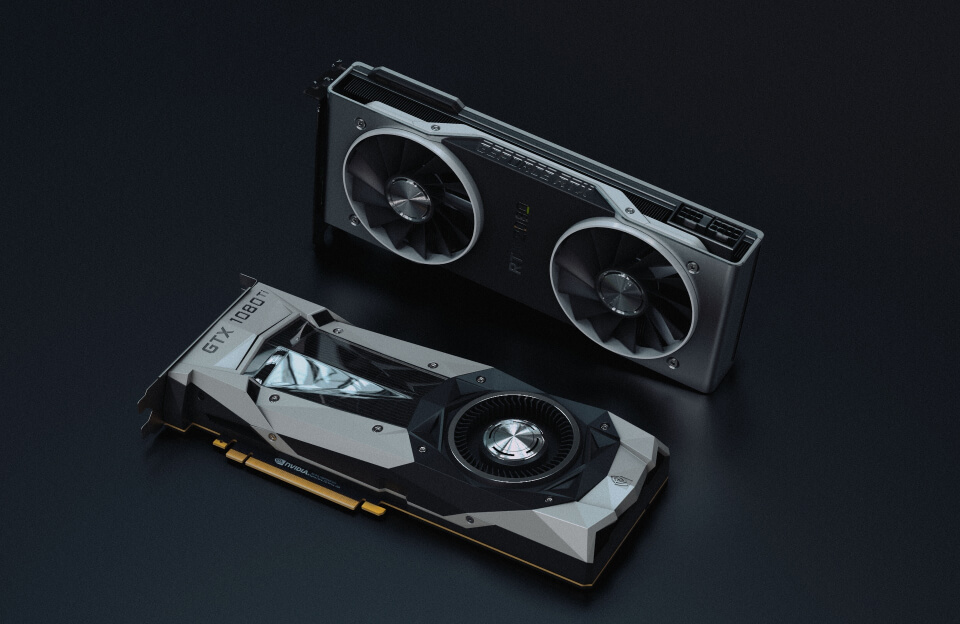
When you push a gaming rig to its limits, temperature becomes the silent enemy that can throttle performance, shorten component life, and even cause unexpected crashes. Understanding Gaming PC Cooling Solutions is essential for anyone serious about high‑frame‑rate gameplay, overclocking, or building a future‑proof system. This guide explores the science behind heat generation, compares air and liquid cooling methods, and offers actionable steps to improve case airflow, select the right thermal paste, and balance noise with cooling efficiency. By the end of this article, you’ll have a clear roadmap to keep your GPU and CPU running cool under pressure, allowing you to extract every ounce of power from your hardware.
Understanding Heat Generation in Gaming PCs
Modern CPUs and GPUs can exceed 100 watts of power draw during intense gaming sessions, converting electrical energy into heat at a staggering rate. The rate of heat dissipation follows the principles of Computer cooling, where the goal is to move heat away from the silicon faster than it is produced. Inefficient heat removal forces the system to rely on thermal throttling, reducing clock speeds to protect components. Knowing the thermal design power (TDP) of each part helps you match the appropriate cooling solution, whether that’s a high‑performance air cooler, an liquid cooling loop, or a hybrid approach.
Air Cooling: Affordable and Reliable
Air cooling remains the most accessible method for most gamers, delivering solid performance at a lower cost and with easier installation. Quality air coolers employ heat pipes, fins, and a high‑airflow fan to transfer heat from the CPU or GPU to the surrounding air. When configured correctly, air cooling can keep a mainstream processor under 70°C even during marathon gaming sessions. To maximize effectiveness, follow these best‑practice steps:
- Choose a cooler with adequate heat‑pipe count: More heat pipes mean better distribution of heat across the fins.
- Maintain positive case pressure: Slightly more intake than exhaust reduces dust buildup and improves component cooling.
- Apply a thin, even layer of thermal paste: Excess paste can impede heat transfer.
- Use fans with a good static pressure rating: Especially important for pushing air through dense radiators or restrictive filters.
- Regularly clean dust filters and heatsink fins: Accumulated debris can increase temperatures by up to 10°C.
Liquid Cooling: Maximizing Performance
Liquid cooling takes heat removal a step further by using a closed‑loop system that circulates coolant through a water block, radiator, and pump. The higher thermal conductivity of liquid versus air enables lower temperatures, making it the preferred choice for overclockers and enthusiasts seeking silent operation. Two main categories dominate the market:
All‑in‑One (AIO) Units
AIO coolers combine the pump, reservoir, and water block into a single sealed unit, simplifying installation while still offering the benefits of liquid heat transfer. They are ideal for users who want an upgrade without the complexity of custom loops. Look for models with at least 240 mm radiators and dual fans for balanced performance.
Custom Loop Systems
Custom loops provide the ultimate flexibility, allowing you to cool multiple components—CPU, GPU, and even VRMs—using a single radiator network. While they require more planning, the ability to size radiators, select high‑flow pumps, and tailor coolant additives can achieve sub‑50°C temperatures under heavy loads. However, they demand regular maintenance, including coolant replacement and leak checks.
Research from NASA heat dissipation studies confirms that liquid mediums can remove heat up to 10 times faster than air, underscoring why serious overclockers invest in these solutions.
Optimizing Case Airflow and Component Placement
Even the most advanced cooling hardware can be hampered by poor case design. Effective airflow hinges on a clear path from intake to exhaust, minimizing turbulence and dead zones. Start by selecting a case with ample fan mounting points and mesh panels. Position the primary intake at the front, pull air across the GPU and motherboard, and exhaust hot air through the top and rear. Cable management also plays a critical role; tidy cables reduce obstruction and improve airflow. Additionally, consider using fan speed curves in your motherboard BIOS to match cooling demand with acoustic preferences.
Choosing the Right Thermal Paste
The interface between a chip and its cooler is a microscopic world where even tiny air gaps can dramatically increase resistance. High‑quality thermal paste—such as those based on ceramic or metal‑oxide compounds—fills these gaps, improving heat conduction. For most users, a reputable brand applied in a pea‑size amount at the center of the die, followed by a gentle press of the cooler, yields optimal results. Avoid conductive pastes unless you are experienced, as they can cause short circuits if they spill onto the motherboard.
Conclusion: Mastering Gaming PC Cooling Solutions is not about picking the flashiest hardware; it’s about understanding how each element—airflow, liquid loops, thermal paste, and component layout—works together to keep temperatures low and performance high. By implementing the strategies outlined above, you can protect your investment, enjoy quieter operation, and push your system to new performance heights. Ready to upgrade your rig? Explore our curated selection of cooling products today and experience the difference for yourself!
Frequently Asked Questions
Q1. What factors determine the best cooling solution for my gaming PC?
Choosing a cooling solution depends on your CPU/GPU TDP, case size, budget, desired noise level, and whether you plan to overclock. Air coolers are cost‑effective and easy to install, while liquid cooling offers lower temperatures and quieter operation for high‑performance builds.
Q2. How often should I replace thermal paste?
Thermal paste typically remains effective for 2‑3 years, but high‑performance or overclocked systems may benefit from replacement every 12‑18 months. Signs that it needs changing include rising temperatures or when you disassemble the cooler for cleaning.
Q3. Can I mix air and liquid cooling in the same build?
Yes, many gamers use a hybrid approach: an AIO liquid cooler for the CPU and high‑static‑pressure air fans for the GPU and case ventilation. This combination can balance cost, performance, and ease of maintenance.
Q4. What is the ideal fan placement for optimal airflow?
Ideal airflow follows a front‑to‑back and bottom‑to‑top path: intake fans at the front (and possibly bottom) pull cool air across components, while exhaust fans at the rear and top expel hot air. Maintaining slight positive pressure helps reduce dust buildup.
Q5. Are custom liquid loops worth the effort for most gamers?
Custom loops provide the lowest temperatures and the ability to cool multiple components, but they require planning, regular maintenance, and a higher budget. For most gamers, a quality AIO unit offers a great balance of performance and simplicity.