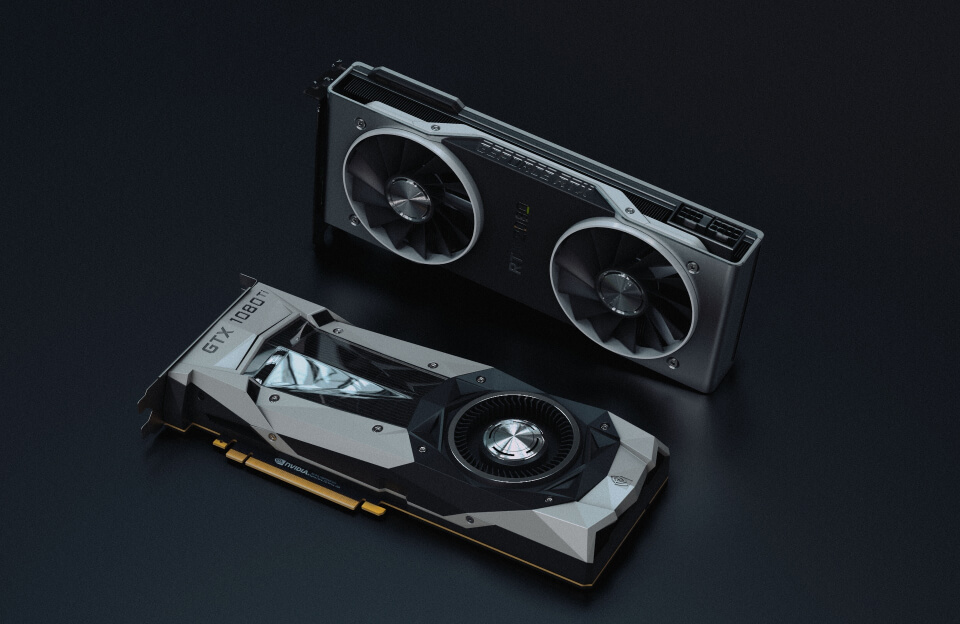
Building a PC that stands the test of time is more than a hobby; it’s a strategic investment. By applying Future‑Proof PC Build Strategies you can protect yourself from rapid obsolescence, avoid costly redesigns, and enjoy a system that gracefully adapts to emerging technologies. In this guide we’ll explore how to choose the right platform, embrace modular components, plan scalable storage, and secure power and cooling solutions that keep pace with tomorrow’s demands.
Future‑Proof PC Build Strategies: Choose a Long‑Lived Platform
One of the most critical decisions is the motherboard and CPU socket selection. A platform that promises several years of official BIOS updates and supports upcoming generations of processors will extend your system’s relevance. For instance, AMD’s AM5 socket and Intel’s LGA 1700 have been marketed with multi‑year upgrade paths, allowing owners to drop in newer CPUs without a full board replacement. Check the manufacturer’s roadmap and verify that firmware updates are still being released after the launch date.
When evaluating a platform, consider these factors:
- Socket longevity: Does the socket plan support at least two future CPU generations?
- PCIe version: Opt for PCIe 5.0 where possible to accommodate next‑gen graphics cards and storage.
- Memory compatibility: DDR5 is becoming mainstream, offering higher bandwidth and better power efficiency.
These choices directly impact gaming PC longevity, workstation performance, and overall upgrade flexibility. For deeper technical context, see the computer hardware overview on Wikipedia.
Future‑Proof PC Build Strategies: Embrace Modular Components
Modularity empowers you to replace parts in isolation, preserving the rest of the system. A modular power supply (PSU) with detachable cables reduces clutter and eases future upgrades. Look for Energy Star certified PSUs that meet 80 PLUS Gold or Platinum efficiency standards, ensuring lower heat output and longer component life.
Beyond power, consider modular cases that support a range of motherboard sizes (ATX, micro‑ATX, E‑ATX) and provide flexible mounting options for storage and cooling. This design philosophy allows you to scale your system without a complete chassis swap.
Future‑Proof PC Build Strategies: Invest in Scalable Storage
Data demands accelerate faster than any other component. By selecting storage solutions that can expand easily, you safeguard against performance bottlenecks. NVMe M.2 SSDs are the current high‑speed standard, but many modern motherboards include multiple M.2 slots, enabling you to add drives as needed. Pair this with a high‑capacity SATA SSD or HDD for archive storage, and you’ll have a tiered storage architecture that adapts to both speed‑critical workloads and bulk data.
Here’s a concise roadmap for scalable storage:
- Start with a 1‑TB NVMe drive for the operating system and applications.
- Add a secondary 2‑TB NVMe or SATA SSD for games, media, and active projects.
- Install larger capacity HDDs (4‑TB or more) for backups and long‑term archives.
- Future‑proof the layout by ensuring the case and motherboard have at least three M.2 slots and multiple 2.5″ bays.
Understanding the fundamentals of motherboard design helps you spot expansion-friendly layouts early in the build process.
Future‑Proof PC Build Strategies: Future‑Ready Power and Cooling
Thermal performance and power efficiency are the hidden pillars of a system’s durability. High‑end CPUs and GPUs generate significant heat, and inadequate cooling can throttle performance or shorten component lifespan. Opt for high‑quality AIO liquid coolers with a 240 mm or larger radiator, or choose robust air coolers that support the latest socket designs. Ensure your case provides ample airflow paths, with dust‑filtered intake fans that can be swapped as needed.
Power delivery is equally vital. A motherboard with reinforced VRM phases and a PSU with a headroom of at least 20 % beyond your estimated load will accommodate future upgrades, such as more power‑hungry graphics cards or additional drives. This forward‑thinking approach reduces the need for a complete power redesign down the line.
For academic insight into system design, the MIT Computer Systems program offers research papers on efficient power architectures and thermal management.
Additional Tips for Longevity
Beyond hardware selection, consider these best practices to maximize the lifespan of your build:
- Regular firmware updates: Keep BIOS, GPU drivers, and SSD firmware current to benefit from performance improvements and security patches.
- Cable management: Organized cables improve airflow, reducing temperature spikes.
- Dust control: Schedule quarterly cleaning to maintain cooling efficiency.
- Software optimization: Use power‑saving profiles when the system is idle to lower wear on components.
By integrating these habits, you reinforce the core philosophy of Future‑Proof PC Build Strategies and ensure that every dollar spent yields lasting value.
Conclusion
Implementing thoughtful, future‑proofing techniques transforms a one‑off purchase into a resilient platform that grows with you. From selecting a long‑lived CPU socket to embracing modular power, scalable storage, and robust cooling, each decision adds a layer of protection against rapid technological turnover. Ready to start building a system that outlasts the trends? Apply these Future‑Proof PC Build Strategies today and enjoy a PC that stays powerful for years to come.
Frequently Asked Questions
Q1. How long will an AM5 or LGA 1700 platform remain upgrade‑compatible?
Both AMD’s AM5 and Intel’s LGA 1700 are slated for at least two future CPU generations, giving you roughly 5–7 years of upgrade paths when manufacturers continue BIOS support. Checking the vendor’s roadmap before purchase helps confirm longevity.
Q2. Is DDR5 worth the extra cost for a future‑proof build?
DDR5 offers higher bandwidth, lower power draw, and faster latency scaling, which aligns with upcoming CPUs and GPUs. While the price premium is still present, it ensures your system can handle next‑gen workloads without a memory bottleneck.
Q3. What benefits do modular PSUs provide for long‑term upgrades?
Modular power supplies let you add or replace cables without rewiring the entire case, improving airflow and simplifying future component swaps. They also reduce clutter, which helps maintain lower temperatures over the system’s life.
Q4. How many M.2 slots should I look for to keep storage scalable?
Ideally choose a motherboard with at least three M.2 slots, allowing a primary NVMe drive, an additional high‑speed cache, and a future‑proof slot for expanding capacity. This setup avoids needing extra adapters or a new board later.
Q5. What cooling solution is best for a future‑ready PC?
High‑quality 240 mm (or larger) AIO liquid coolers or premium air coolers that support the latest sockets provide ample headroom for overclocking and hotter upcoming CPUs/GPUs. Pair them with a case that offers filtered intake fans and good airflow to keep temperatures low.