Many gamers wonder whether an upgrade is worth the time and money, especially when newer releases promise higher performance. Essential Gaming PC Upgrades often become the decisive factor in whether your rig can keep up with modern titles. Before investing in a new motherboard or graphics card, it is crucial to evaluate the core components that drive latency and frame rates. A smart upgrade path can extend the life of your existing build while maintaining a competitive edge. Starting with a clear upgrade checklist ensures you target only the parts that truly benefit your gaming experience.
Essential Gaming PC Upgrades: Selecting the Right CPU
The processor remains the backbone of any gaming system, translating game logic into real‑time actions. An older quad‑core CPU can bottleneck even the most formidable graphics card, limiting frame rates in CPU‑bound titles such as strategy and simulation games. When selecting a new processor, consider the core count, clock speed, and IPC performance; modern 6‑ to 10‑core options from Intel and AMD provide significant headroom for future releases. It’s also wise to check the chipset compatibility to avoid costly motherboard swaps, as many enthusiast boards now support PCIe 4.0 for faster storage and newer GPUs. A balanced CPU upgrade can raise frame rates overall while also improving multitasking and streaming performance.
Essential Gaming PC Upgrades: Picking a GPU That Matches Your Resolution
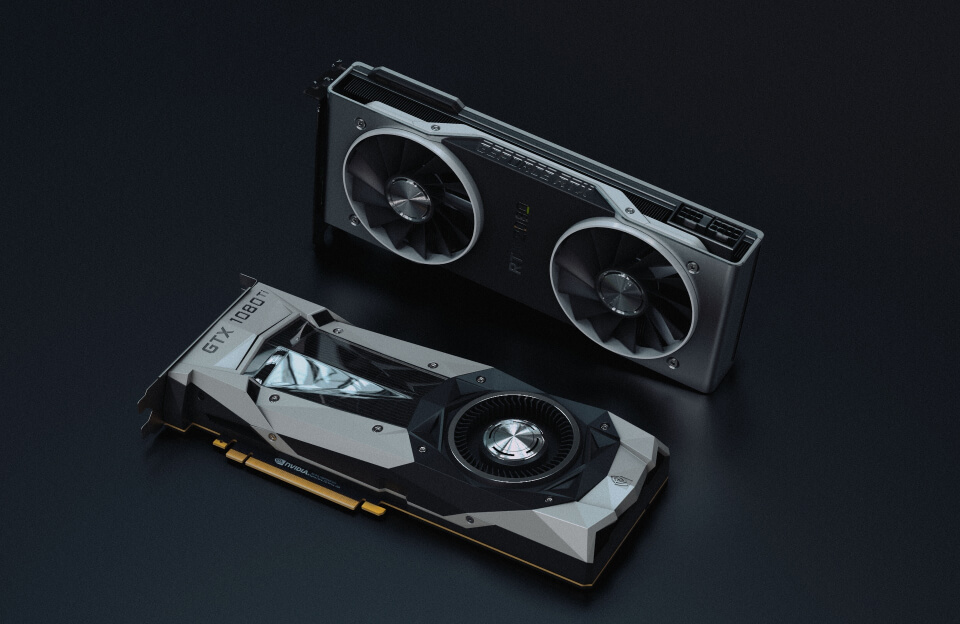
With the rise of 1440p and 4K gaming, the GPU has become the single most influential component for visual fidelity. Choosing a card that aligns with your monitor resolution ensures you can tap into the GPU’s full potential without overspending. For 1080p enthusiasts, a mid‑tier card offers excellent performance at 60–120 fps, whereas power users targeting 1440p or 4K should consider higher‑end models with ample VRAM and newer architectures. GPU selection also hinges on power consumption; pairing a demanding NVIDIA GeForce RTX 40 series with an inadequate PSU can lead to instability or crashes. Keeping an eye on the latest driver updates and ray‑tracing support keeps your system future‑proofed.
Essential Gaming PC Upgrades: Adding Faster RAM for Seamless Gameplay
Memory speed and capacity play subtle yet pivotal roles in gaming, especially in newer engines that employ large data sets. Upgrading from 8 GB to 16 GB of DDR4 or DDR5 memory often unlocks smoother performance in titles such as Fortnite and League of Legends. Faster RAM, operating at 3600 MHz or higher, reduces latency and improves load times, a benefit most noticeable in open‑world games with large texture streams. Additionally, dual‑channel configurations double the effective bandwidth, making the upgrade more cost‑effective than a single larger stick. If your motherboard supports quad‑channel, you can further leverage memory bandwidth for very high‑end CPUs.
Essential Gaming PC Upgrades: Choosing the Perfect Storage Solution
Storage upgrades impact both game install times and the overall system responsiveness. Replacing a mechanical HDD with an NVMe SSD speeds load times from several minutes to under a minute for most games, as noted in benchmark studies from SSD research. NVMe drives also offer superior I/O throughput compared to SATA SSDs, which translates to fewer in‑game stutters during streaming or large asset loading. Choosing the right capacity depends on your library size; many gamers opt for a 1 TB NVMe as a sweet spot between speed and storage budget. Pairing a larger secondary SATA SSD for media or less demanding titles keeps your primary drive free for the games that benefit most from fast access.
Essential Gaming PC Upgrades: Cooling and Power Considerations
Efficient cooling safeguards sustained performance; a thermal drop can throttle both CPU and GPU during extended sessions. A high‑quality air cooler or an AIO liquid unit keeps temperatures within safe limits, preventing thermal throttling reported in many high‑end builds. Equally, an adequately powered PSU—rated at 80+ Gold or better for 500–750 W—provides consistent voltage and protects components during peak draws, especially when overclocking or adding new peripherals. Modern power supplies also feature modular cables, reducing clutter and enhancing airflow in the case. Before purchasing, verify that the PSU’s wattage and modular design meet your current and projected needs. PSU quality is as important as the card you install.
Essential Gaming PC Upgrades: Motherboard Compatibility and Future Proofing
A motherboard ties all chosen components together; an outdated board can limit lane bandwidth or PCIe version support, curtailing your upgrade potential. Newer chipsets such as the Intel Z690 or AMD X570 deliver PCIe 4.0, enabling faster NVMe SSDs and high‑end GPUs. It’s also essential to ensure the board supports DDR5, if that’s your chosen memory type, and offers sufficient M.2 slots for future storage expansions. Upgrading the motherboard often requires a new CPU socket, so the upgrade decision should factor in the total cost of the new CPU and chipset. A well‑chosen motherboard ensures that every other component can perform at its optimum level.
Upgrade Checklist
Here’s a quick reference table summarizing the typical upgrade path for most gamers striving for smooth 1080p or 1440p performance.
| Component | Recommendation |
|---|---|
| CPU | Latest 6‑core Intel i5/i7 or AMD Ryzen 5/7 |
| GPU | Mid‑range 1080p or 1440p card with 4 GB VRAM or more |
| RAM | 16 GB DDR4/DDR5, dual‑channel, 3200–3600 MHz |
| Storage | 1 TB NVMe, secondary SATA SSD for media |
| Cooling | High‑performance air or AIO liquid, 120 mm fan at 170 mm case fans |
| PSU | 80+ Gold, 550 W or more, modular |
| Case | Mid‑tower with mesh front, ample cable management |
Essential Gaming PC Upgrades: Timing Your Upgrade Cycle
Choosing the right moment to upgrade can be as important as picking the right parts. Many enthusiasts wait for the release of new GPU generations, often indicated by market cycles such as the NVIDIA RTX 30 to RTX 40 shift. Additionally, consider the release window of new titles; launching upgrades just before a major game can maximize your ROI. Another factor is the sale season—Black Friday or Back‑to‑School periods often bring significant discounts across components. Finally, monitor the price curve for each component; if a GPU drops 10–15% within a month, waiting could secure a better deal.
Essential Gaming PC Upgrades: Maintaining Your System Post‑Upgrade
After installation, keep drivers and BIOS up to date to fully unlock newfound performance. Use reputable tools such as CPU‑Z for real‑time temperature monitoring, and keep an eye on voltage stability with tools like HWInfo. Regular cleaning of dust filters and ensuring adequate case airflow prolongs component life. Software optimization, including disabling background services, can reduce overhead and keep framerates stable. Finally, monitor your system after the first few sessions to catch any instability early.
Essential Gaming PC Upgrades: Cost vs Performance Trade‑Offs
Every gamer weighs the price tag against the performance boost. Some upgrades deliver a “sweet spot”—a small price increase for a massive FPS jump—while others offer diminishing returns. For example, a 200 USD jump to a higher‑end GPU can yield 30 % more frames in many titles, but a 50 USD RAM upgrade might only add a few frames per second. Benchmark charts from Tom’s Hardware illustrate these trade‑offs well. An informed buyer reviews these benchmarks, compares prices, and prioritizes upgrades that align with their primary use case, whether it’s competitive gaming or immersive storytelling. Keeping a spreadsheet of expected gains per dollar helps maintain control over your budget.
Essential Gaming PC Upgrades: The Role of Software and Settings Adjustments
Hardware upgrades deliver the foundational performance gains, but software tuning can magnify their effect. Fine‑tuning in‑game settings—such as lowering visual effects, adjusting anti‑aliasing, or enabling DLSS and ray‑tracing—often unlocks higher frame rates without hardware changes. Windows power settings should be set to “High Performance” to avoid CPU throttling. Overclocking the CPU or GPU, when done safely within thermal limits, can provide an additional 5–10 % boost for many games. Additionally, utilizing game launchers that offer custom configurations, like Steam’s In‑Game Overlay options, can reduce background CPU usage. Together, these tweaks ensure you obtain maximum performance from your investment.
Essential Gaming PC Upgrades: Final Thoughts
Embarking on a series of upgrades can transform a laggy, outdated rig into a future‑ready powerhouse. By methodically evaluating each component—CPU, GPU, RAM, storage, cooling, PSU—and aligning them with your gaming goals, you avoid unnecessary expenses while maximizing performance. Remember that balance is key; a single bottleneck can negate the benefits of other upgrades. Keep abreast of market trends and leverage benchmark data to inform your choices. With these insights, you are ready to execute a successful upgrade and enjoy smoother, more immersive gaming sessions.
Essential Gaming PC Upgrades: Budget‑Friendly Options
Not every gamer has a multimillion‑dollar budget, but strategic upgrades can still yield noticeable gains. For example, swapping an 8 GB DDR4 controller to a 16 GB kit can give a 10–15 % FPS improvement in many titles, and prices for good memory are often under $70. An entry‑level NVMe SSD, such as the Kingston A2000, delivers over 700 MB/s read speeds for less than $60, drastically cutting load times. If budget is tight, opting for a mid‑range GPU like the NVIDIA RTX 3050 or AMD Radeon RX 6600 can still push 1080p gameplay well beyond 60 fps. Incremental upgrades, coupled with proper maintenance, often produce a high return on investment, especially when combined with a clean operating system.
Essential Gaming PC Upgrades: Leveraging Overclocking for Peak Performance
Overclocking allows you to extract extra milliseconds from both CPU and GPU cores, but it must be paired with adequate cooling to avoid instability. Modern motherboards provide user‑friendly voltage and multiplier controls, while GPU manufacturers such as NVIDIA and AMD offer built‑in overclocks that can be tweaked via software. A modest 10–20 % frequency bump can translate to a 5–10 % frame‑rate increase in CPU‑intensive games. However, overclocking also increases power draw and heat output, so upgrading the PSU or adding a more robust cooling solution may be necessary. Always perform stress tests with tools like Prime95 or 3DMark to ensure stability before deploying to gameplay.
Essential Gaming PC Upgrades: Monitoring and Performance Tracking Tools
Having the right monitoring software empowers you to gauge whether each upgrade yields the expected benefits. Tools such as MSI Afterburner provide real‑time GPU temperature, clock speeds, and fan curves, while HWInfo captures CPU loads and memory bandwidth. Benchmark suites like Cinebench or Unigine Heaven give objective metrics that can be compared before and after upgrades. For live streaming or recording, OBS Studio’s built‑in performance metrics help keep a smooth stream without sacrificing visual quality. By regularly recording performance snapshots, you create a data set that informs future upgrade decisions.
Essential Gaming PC Upgrades: Case Selection and Aesthetics
While performance components often dominate upgrade discussions, the case also plays a non‑negligible role. A case with adequate airflow features and cable management options reduces the need for forced cooling and keeps temperatures lower. High‑quality mesh front panels provide natural airflow, whereas tempered glass panels can enhance visual appeal at the cost of airflow. Some cases also come equipped with RGB lighting, which some users prefer for aesthetics; however, excessive lighting LED strips can contribute to thermal load if not managed properly. Choosing a case that accommodates future expansions, such as additional SSDs or larger GPUs, prevents the need for an abrupt case replacement after subsequent upgrades.
Essential Gaming PC Upgrades: Environmental Considerations and Energy Efficiency
Power consumption is a key consideration, especially for users who run intensive sessions overnight. Opting for 80+ Bronze or higher rated power supplies not only ensures efficient power delivery but also reduces standby energy usage. Some modern GPUs come equipped with power‑saving modes that dynamically adjust performance when full power isn’t required. Additionally, using a case fan controller that throttles fan speed during low‑load periods can further cut electricity usage. Taking these energy‑efficiency steps not only saves money but also extends component longevity by reducing heat exposure.
Essential Gaming PC Upgrades: The Future of Gaming Hardware
Gaming technology is on a relentless march towards higher fidelity, with upcoming trends such as ray‑tracing, variable refresh rates, and 8K resolutions shaping future hardware needs. PCIe 5.0, which delivers double the bandwidth of PCIe 4.0, is slated for mainstream adoption, promising swifter GPU and NVMe performance in the next few years per NVIDIA. DDR5 memory offers increased density and speed, reducing latency for memory‑bound titles. For gamers aiming for long‑term longevity, planning upgrades that align with these emerging standards can protect your investment against rapid obsolescence. Staying informed about upcoming releases ensures your system remains competitive as the industry evolves.
Essential Gaming PC Upgrades: Building a Long‑Term Upgrade Roadmap
An effective upgrade strategy involves mapping out a multi‑year plan that considers both budget cycles and technological advancements. Start with a baseline build that guarantees smooth performance for current titles. Periodically evaluate the top 10 games you play and note when they begin to demand higher hardware specifications. Mark these dates in a calendar and begin saving for targeted component replacements a few months ahead. By anticipating future needs, you avoid rushed, ill‑matched upgrades and keep your system consistently aligned with gaming trends.
Essential Gaming PC Upgrades: Take Action Now
Armed with this comprehensive guide, you can confidently approach your next gaming PC upgrade, balancing performance, cost, and future proofing. Begin by conducting a quick audit of your current components, research benchmark data, and draft a budget timeline. If you’re unsure which parts to prioritize, schedule a free consultation with our certified hardware advisors or consult our in‑depth comparison charts. Take action now—don’t let lag or resolution limits keep you from the games you love.