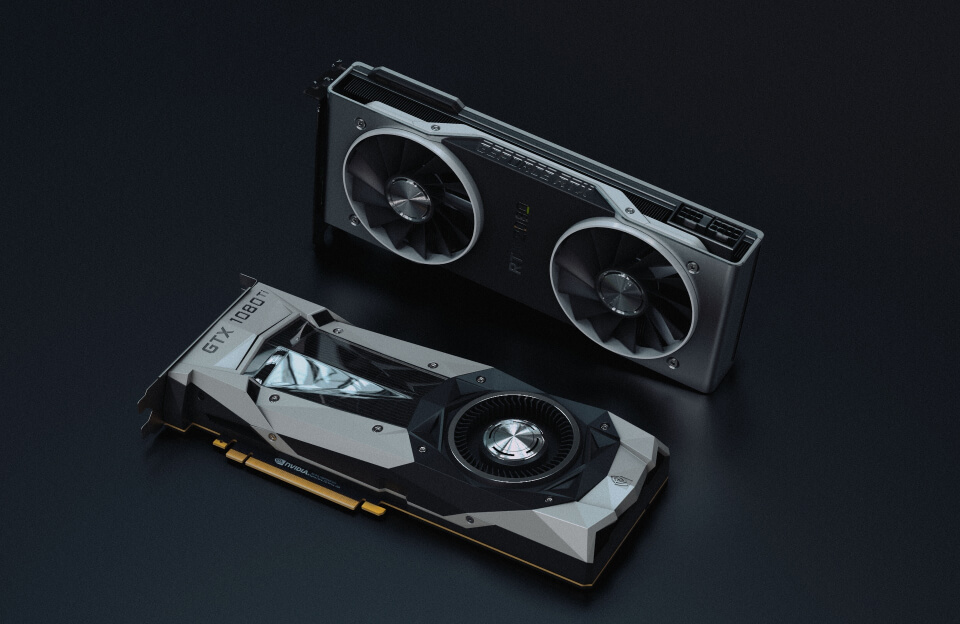
Since its debut, DLSS 3 has reshaped how developers approach visual fidelity and frame rates, offering a tangible solution to the perpetual trade‑off between performance and image quality. By leveraging AI‑driven upscaling and a new frame‑generation engine, NVIDIA’s latest iteration brings ray tracing, high‑resolution textures, and buttery‑smooth gameplay within reach of a broader audience. For gamers curious about the practical implications, understanding the technology, its performance gains, and the ecosystem it creates is essential.
What DLSS 3 Actually Is
DLSS 3 (Deep Learning Super Sampling 3) builds on the foundation laid by its predecessors, adding a dedicated frame‑generation step powered by an optical‑flow accelerator. While earlier versions focused on upscaling a single rendered frame, the third generation inserts entirely new frames between existing ones, effectively doubling the perceived frame rate without demanding double the GPU horsepower. The system analyzes motion vectors, depth buffers, and prior frames to synthesize intermediate frames that appear natural to the human eye.
For an in‑depth technical overview, see the DLSS Wikipedia entry. This AI upscaling method works hand‑in‑hand with ray tracing, allowing developers to retain realistic lighting while maintaining high frame rates.
How Frame Generation Changes Gameplay
The hallmark of DLSS 3 is its frame‑generation pipeline, often referred to as “Boost”. By creating an extra frame for every rendered one, the technique can push frame rates from 60 fps to 120 fps on supported RTX hardware. The impact is most evident in fast‑paced shooters and competitive titles where reaction time matters. For example, in Fortnite* and *Call of Duty: Modern Warfare II*, players report noticeably smoother motion, reduced input latency, and a more fluid visual experience.
Beyond sheer speed, frame generation also helps mitigate the stutter that can arise when ray tracing is enabled. Traditional ray tracing can be GPU‑intensive, but when combined with DLSS 3, the upscaled frames preserve the visual richness of reflections and shadows while keeping the frame rate high enough to avoid choppy gameplay.
Performance Gains Across Game Genres
DLSS 3’s benefits are not confined to first‑person shooters. Open‑world adventures, racing simulators, and even strategy games see measurable improvements. In titles like Cyberpunk 2077, enabling DLSS 3 alongside ray tracing can lift frame rates by 40‑60 % compared to native resolution rendering, all while preserving the neon‑lit cityscape’s intricate details. Racing games such as Forza Horizon 5 benefit from smoother motion across high‑speed stretches, reducing motion blur and enhancing perceived speed.
Even slower‑paced games gain. Turn‑based strategy titles can run at higher resolutions without sacrificing UI clarity, and visual novel experiences enjoy crisper textures while maintaining a stable frame rate.
Independent developers are also tapping into DLSS 3, as the API integration requires relatively modest changes to existing rendering pipelines. As a result, upcoming indie releases are likely to feature AI‑enhanced performance from day one.
Compatibility and Future Outlook
To take full advantage of DLSS 3, gamers need an NVIDIA RTX 40‑series GPU, such as the GeForce RTX 4090, RTX 4080, or the more budget‑friendly RTX 4070. The technology is supported on Windows 10/11 and requires drivers version 531.23 or later. Developers must opt‑in via the NVIDIA DLSS SDK, meaning not every game immediately receives support, but the library is rapidly expanding.
Looking ahead, NVIDIA hints at the next evolution: integration with DirectStorage and broader AI‑driven features like texture synthesis. When combined with cloud gaming platforms, DLSS 3 could enable high‑fidelity streaming at reduced bandwidth, democratizing premium graphics for users with modest hardware.
For further reading on how AI upscaling transforms graphics pipelines, consult NVIDIA’s official announcement: Introducing DLSS 3. Additionally, the fundamentals of ray tracing are explained on Ray tracing Wikipedia, providing context for the visual effects DLSS 3 often enhances.
Practical Tips for Gamers Ready to Use DLSS 3
If you’re considering upgrading your gaming rig or simply want to enable DLSS 3 in supported titles, follow these best practices:
- Update Drivers Regularly: NVIDIA releases performance patches frequently; staying current ensures you get the latest optimizations.
- Adjust Power Settings: Set your GPU to “Prefer maximum performance” in the NVIDIA Control Panel to avoid throttling.
- Balance Resolution and Settings: While DLSS 3 handles upscaling, pairing it with native 4K rendering can still tax your system. Consider 1440p for a smoother experience.
- Enable Ray Tracing Wisely: Turn on ray‑traced reflections and shadows selectively; DLSS 3 can offset the performance hit, but aggressive settings may still impact frame rates.
- Monitor Frame Times: Use tools like MSI Afterburner to verify that frame generation is delivering consistent timing, not just higher FPS numbers.
By adhering to these steps, you’ll maximize the visual and performance benefits of DLSS 3 without compromising stability.
Conclusion
DLSS 3 represents a pivotal shift in gaming technology, marrying AI upscaling with frame generation to deliver unprecedented performance gains while preserving, or even enhancing, visual fidelity. Whether you’re a competitive e‑sports enthusiast, a cinematic gamer, or an indie aficionado, the advantages of DLSS 3 are tangible and increasingly accessible. Ready to experience the future of gaming? Upgrade your system, enable DLSS 3, and feel the difference in every frame. Your next adventure awaits—make sure it runs at the highest possible quality with the power of AI.
Frequently Asked Questions
Q1. What is DLSS 3 and how does it differ from previous versions?
DLSS 3 is NVIDIA’s third‑generation AI upscaling technology that adds a frame‑generation step. Unlike DLSS 1 and 2 which only upscaled rendered frames, DLSS 3 creates new intermediate frames using an optical‑flow accelerator, effectively doubling perceived frame rates without doubling GPU load.
Q2. Which hardware is required to use DLSS 3?
DLSS 3 is supported on NVIDIA RTX 40‑series graphics cards such as the RTX 4090, RTX 4080, RTX 4070, and later models. A PC running Windows 10 or 11 with driver version 531.23 or newer is also required.
Q3. Does DLSS 3 work with ray tracing?
Yes. DLSS 3 is designed to complement ray tracing by offsetting its performance cost. The frame‑generation engine keeps motion smooth while ray‑traced lighting, reflections, and shadows retain their high fidelity.
Q4. How can I tell if DLSS 3 is actually improving my game’s performance?
Use monitoring tools like MSI Afterburner or NVIDIA GeForce Experience to view frame rates and frame times. Look for a consistent increase in FPS and smoother frame‑time graphs when DLSS 3 is enabled compared to native rendering.
Q5. Can I use DLSS 3 in older or indie games?
Developers must integrate the DLSS 3 SDK, so not every title supports it yet. However, many newer indie games are adopting the technology, and future patches may add support to existing titles.