Building a high‑performance gaming rig doesn’t always require a brand‑new system. With the right strategy, you can achieve a noticeable performance boost while keeping your budget in check. This guide explains the most impactful, cost‑effective gaming PC upgrades, helping you prioritize components that deliver the best value for your money.
Cost-Effective Gaming PC Upgrades: CPU Boost
Upgrading the central processing unit (CPU) is often the first step toward a smoother gaming experience. Modern titles rely heavily on multi‑core performance, and a newer processor can reduce load times, improve frame rates, and future‑proof your build. When selecting a CPU, consider the following:
- Core Count & Clock Speed: More cores and higher base frequencies translate to better multitasking and faster frame rendering.
- Compatibility: Ensure the new CPU matches your motherboard’s socket and BIOS version. A quick check on the manufacturer’s website can confirm support.
- Price‑to‑Performance Ratio: Mid‑range CPUs from AMD’s Ryzen 5 or Intel’s Core i5 families often offer the best balance between cost and performance.
- Future Upgrades: Choosing a platform with a longer upgrade path (e.g., AMD’s AM4 or Intel’s LGA1200) can save money in the long run.
For a deeper dive into CPU architecture and performance benchmarks, visit CPU on Wikipedia.
Cost-Effective Gaming PC Upgrades: GPU Swap
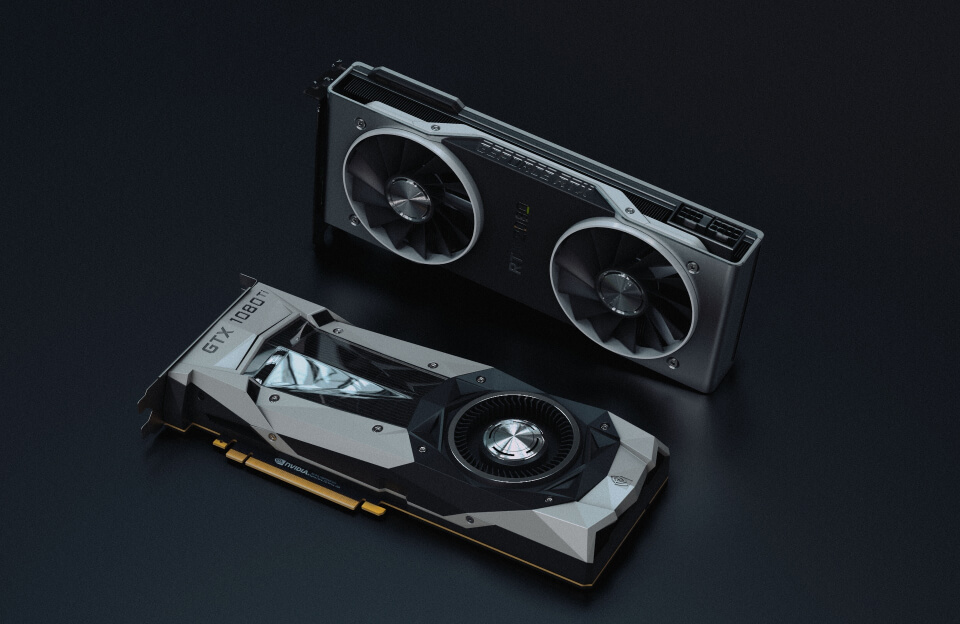
The graphics processing unit (GPU) remains the most critical component for gaming performance. A modest upgrade can yield significant frame‑rate improvements, especially in graphically demanding titles. Here’s how to choose a cost‑effective GPU:
- Target Resolution: If you play at 1080p, a mid‑range card like the NVIDIA GeForce RTX 3060 or AMD Radeon RX 6600 XT offers excellent value. For 1440p, consider the RTX 3070 or RX 6800.
- Ray Tracing & DLSS: Newer GPUs support ray tracing and AI‑based upscaling, which can enhance visual fidelity without a massive performance hit.
- Power Requirements: Verify that your power supply unit (PSU) can deliver sufficient wattage and has the necessary connectors.
- Price Trends: GPU prices fluctuate; monitoring reputable retailers and using price‑tracking tools can help you snag a deal.
Learn more about GPU technology and current models at Graphics Processing Unit on Wikipedia and NVIDIA GeForce Graphics Cards.
Cost-Effective Gaming PC Upgrades: RAM & SSD Expansion
Memory and storage upgrades often provide a surprisingly large performance lift, especially for newer games that demand more RAM and benefit from faster load times.
- RAM: 16GB of DDR4 at 3200MHz or higher is the sweet spot for most gamers. If you already have 8GB, adding an identical module to achieve dual‑channel operation can double memory bandwidth.
- SSD: Switching from a mechanical hard drive to a solid‑state drive (SSD) reduces load times dramatically. NVMe SSDs offer even faster read/write speeds, but SATA SSDs still provide a substantial upgrade at a lower cost.
- Capacity: Aim for at least 500GB SSD for the operating system and key titles, with additional storage for media and less frequently played games.
- Compatibility: Check your motherboard’s M.2 or SATA ports and ensure the SSD’s interface matches.
For technical details on SSDs, see SSD on Wikipedia.
Cost-Effective Gaming PC Upgrades: Power Supply & Cooling
Upgrading the power supply unit (PSU) and cooling solutions can improve system stability and longevity, especially after adding higher‑end components.
- PSU: A reputable 80+ Gold certified PSU with enough wattage (e.g., 650W for a mid‑range build) ensures efficient power delivery and protects against voltage spikes.
- Cooling: Upgrading from stock air coolers to aftermarket options or adding additional case fans can lower temperatures, allowing components to maintain peak performance.
- Noise Levels: Consider fan speed curves and noise ratings if you prefer a quieter gaming environment.
- Modular Design: A modular PSU simplifies cable management, improving airflow and aesthetics.
For a comprehensive guide on PC upgrades, consult PCWorld’s PC Upgrades Guide.
Putting It All Together: A Sample Upgrade Path
Below is a practical upgrade sequence that balances cost and performance for a typical 1080p gaming setup:
- Replace the existing CPU with a Ryzen 5 5600X or Core i5‑12400.
- Install a GeForce RTX 3060 or Radeon RX 6600 XT.
- Add 16GB of DDR4 RAM (two 8GB sticks).
- Swap the 1TB HDD for a 500GB NVMe SSD.
- Upgrade to a 650W 80+ Gold PSU and install a high‑performance air cooler.
After completing these steps, you should notice a 30–50% increase in frame rates across most modern titles, while keeping the total upgrade cost well below the price of a new mid‑range system.
Final Thoughts and Call to Action
Cost‑effective gaming PC upgrades are all about strategic choices that maximize performance per dollar. By focusing on the CPU, GPU, RAM, SSD, and power/cooling, you can transform an older rig into a capable gaming
Frequently Asked Questions
Q1. What is the most budget-friendly component to upgrade first for gaming performance?
Upgrading the CPU or GPU typically delivers the biggest performance jump for the price. If you’re playing at 1080p, a mid-range GPU like the RTX 3060 can give you a 30–50% frame‑rate boost. A newer CPU can also reduce load times and improve multitasking, especially if your current processor is older than a 2018 model. Ultimately, choose the component that aligns with your current bottleneck and budget.
Q2. How much can I expect to save by swapping an HDD for an SSD?
Replacing a mechanical hard drive with an SSD cuts load times by up to 80% and reduces stutter during game launches. An NVMe SSD can bring load times down to a few seconds, while a SATA SSD still offers a 50–70% improvement over an HDD. The cost difference is modest—often under $100 for a 500GB drive—making it one of the most cost‑effective upgrades.
Q3. Is it worth upgrading my PSU if I already have a decent one?
A high‑quality PSU is essential when adding power‑hungry GPUs or overclocking. If your current unit is 80+ Bronze or better and has enough wattage, you may not need an upgrade. However, a Gold‑rated PSU with modular cables can improve airflow, reduce noise, and provide a safety margin for future upgrades.
Q4. Can I mix AMD and Intel parts in the same build?
Mixing AMD and Intel components is generally not possible because they use different sockets and chipsets. For example, an AMD Ryzen CPU requires an AM4 or AM5 motherboard, while an Intel Core i5 uses LGA1200 or LGA1700. Mixing would require separate motherboards, which defeats the purpose of a single build.
Q5. What is the best way to monitor temperatures after upgrading cooling?
Use software like HWMonitor, MSI Afterburner, or the motherboard’s BIOS to track CPU and GPU temperatures. Set up alerts for temperatures above 80 °C to catch any cooling issues early. Consistently monitoring ensures your new fans or liquid cooler are performing as expected and helps maintain longevity.