Building a high‑performance Gaming PC Assembly can be one of the most rewarding projects for any PC enthusiast. Whether you aim for ultra‑smooth 144 Hz gameplay, immersive VR, or simply want a machine that outperforms most consoles, the process begins with solid planning and the right components. In this step‑by‑step guide, we’ll cover essential PC building tips, component selection, hardware compatibility, and practical assembly techniques. By following these instructions, you’ll avoid common pitfalls and end up with a custom gaming rig that runs cool, quiet, and reliably for years to come.
Planning Your Build
Before you open any boxes, define the purpose and budget of your system. Ask yourself: Do you need ray‑tracing performance, or will a high frame‑rate 1080p setup suffice? Consider the games you play most often and the resolutions you target. This planning stage helps you allocate funds effectively across the most critical components, such as the Graphics processing unit and the Central processing unit. Moreover, checking motherboard socket compatibility and case dimensions early on prevents costly re‑purchases.
Choosing Core Components
With a clear budget, select each core part based on performance, reliability, and future‑proofing. Below is a concise checklist of the main hardware categories you’ll need:
- CPU: Determines overall processing power; pair it with an appropriate motherboard chipset.
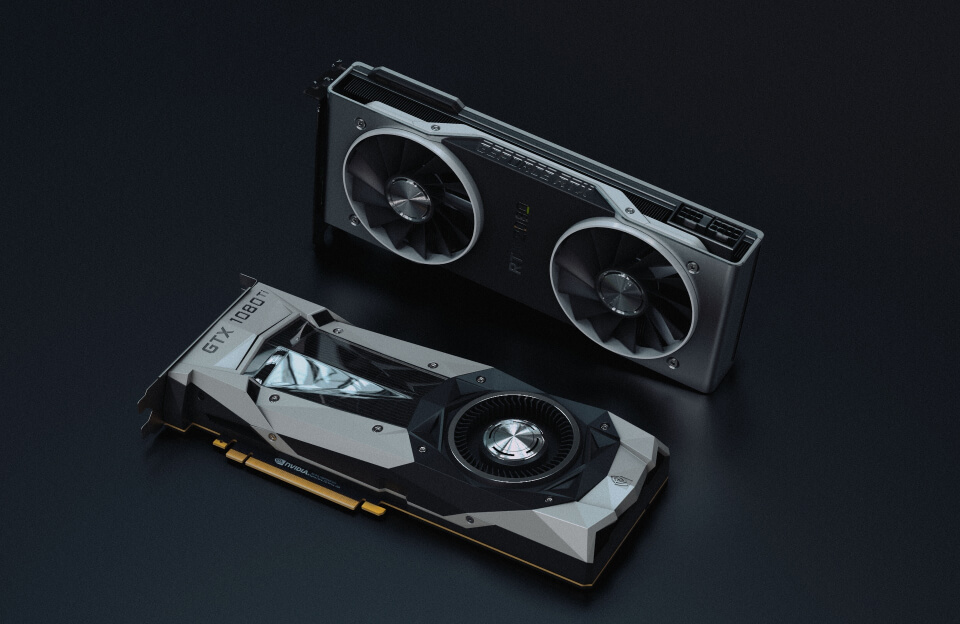
- GPU: The heart of gaming performance; ensure it fits your case and power supply.
- Motherboard: Provides expansion slots, USB ports, and determines memory compatibility.
- RAM: Aim for at least 16 GB of DDR4/DDR5 for modern titles.
- Storage: NVMe SSDs deliver rapid load times; consider larger SATA drives for bulk storage.
- Power Supply Unit (PSU): Choose a reputable brand with at least 80 PLUS Bronze certification.
- Case & Cooling: Good airflow and adequate fan placement keep temperatures low.
For deeper understanding of each component, reputable sources such as the Gaming computer article provide comprehensive overviews.
Assembly Process Step‑by‑Step
Now that you have every piece ready, follow this systematic approach to assemble your gaming PC. Working on a static‑free surface and using an anti‑static wrist strap is recommended.
- Prepare the case: Remove side panels, install standoffs in the motherboard tray, and plan cable routing.
- Install the CPU: Align the notches on the processor with the socket, lower the retention arm, and lock it in place.
- Apply thermal paste and mount the cooler: A pea‑sized dot of thermal paste ensures optimal heat transfer before affixing the CPU cooler.
- Insert RAM modules: Open the DIMM slots, align the notch, and press firmly until the latches click.
- Mount the motherboard: Screw it onto the standoffs, taking care not to overtighten.
- Install the PSU: Secure it in its designated bay, route the power cables toward the motherboard and GPU.
- Fit storage devices: Mount the NVMe SSD onto the M.2 slot and secure any SATA drives in drive bays.
- Place the GPU: Insert it into the primary PCIe x16 slot, ensure it seats fully, and screw it to the case bracket.
- Connect power and data cables: Attach the 24‑pin ATX, CPU 8‑pin, GPU PCIe power connectors, and SATA data cables.
- Manage cables: Use zip ties or Velcro straps to keep airflow unobstructed.
- First power‑on test: Connect monitor, keyboard, and mouse; turn on the PSU and press the case power button to verify POST.
If the system boots to BIOS, you’ve successfully completed the core assembly. From here, install the operating system, necessary drivers, and benchmark tools.
Testing, Optimization, and Maintenance
After the OS installation, run stress‑test utilities such as Prime95 for the CPU and 3DMark for the GPU. Monitor temperatures with software like HWMonitor; ideal gaming loads should keep the CPU under 85 °C and the GPU under 80 °C. If you notice hotspots, consider adding additional case fans or upgrading to a higher‑capacity Power supply unit with better voltage regulation.
Regular maintenance, including dust removal and re‑applying thermal paste every 2‑3 years, prolongs the lifespan of your custom rig. Keep drivers up to date through official manufacturer websites and schedule periodic performance checks to ensure your gaming experience remains smooth.
Conclusion
Embarking on a Gaming PC Assembly empowers you to tailor performance, aesthetics, and cost to your exact preferences. By following this comprehensive guide—from meticulous planning to thorough testing—you’ll create a reliable, high‑performance system ready for the latest titles. Ready to build your own custom gaming rig? Start assembling today and experience the satisfaction of a truly personal gaming powerhouse.
Frequently Asked Questions
Q1. What components do I need for a basic gaming PC assembly?
You will need a CPU, GPU, motherboard, RAM, storage (SSD or HDD), power supply unit (PSU), a case, and cooling solutions (CPU cooler and case fans). Optional extras include additional case fans, RGB lighting, and a sound card. Choosing compatible parts ensures a smooth build experience.
Q2. How important is choosing the right power supply for my build?
The PSU is critical for system stability; it must provide enough wattage for all components and deliver clean, reliable power. Look for units with 80 PLUS certification (Bronze or higher) and reputable brands. A slightly higher wattage than calculated gives headroom for future upgrades.
Q3. Can I install a CPU cooler after the motherboard is mounted?
Yes, most air coolers and all‑in‑one liquid coolers can be installed after the motherboard is secured in the case. Follow the cooler’s manual to apply thermal paste correctly and attach the mounting bracket before tightening the fan or radiator.
Q4. What is the best way to manage cables to improve airflow?
Route cables behind the motherboard tray whenever possible and use zip ties or Velcro straps to bundle them neatly. Keep power cables away from intake fans and use the case’s built‑in cable management holes. A tidy interior maximizes airflow and reduces temperatures.
Q5. How often should I clean and maintain my gaming PC?
Cleaning dust from fans, radiators, and filters every 3‑4 months helps maintain optimal cooling. Reapply thermal paste on the CPU every 2‑3 years or if temperatures start rising. Regularly update drivers and BIOS to keep performance and security up to date.