In recent years, the phrase cloud services has become a buzzword across many tech sectors, but its influence on gaming PCs is perhaps the most transformative. From reducing hardware costs to enabling instant access to the latest titles, cloud services are reshaping how gamers build, upgrade, and experience their rigs. This article explores the multifaceted impact of cloud services on gaming PCs, delving into performance, cost, and future trends.
1. Cloud Services and Hardware Demands
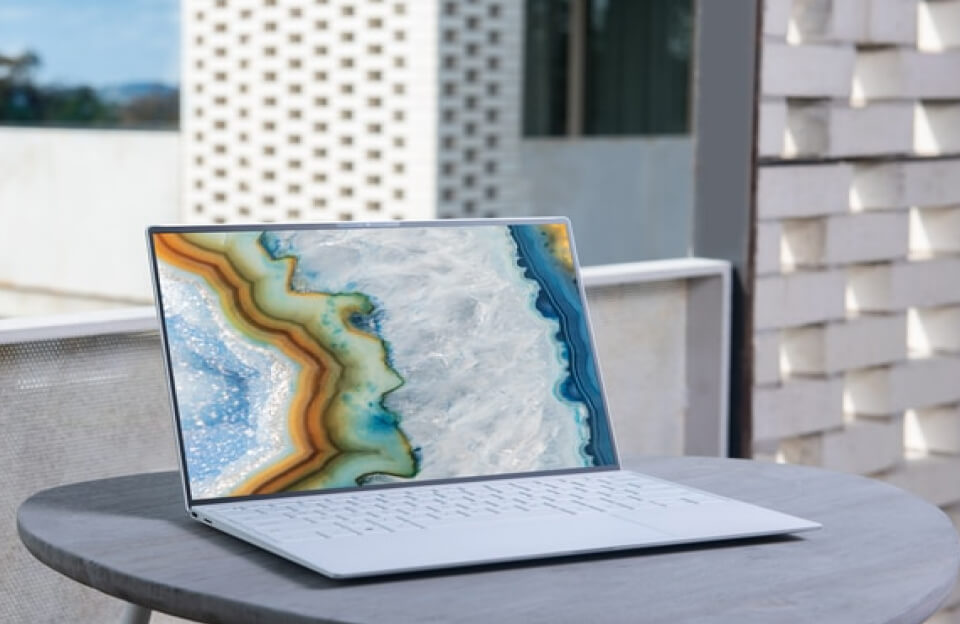
Traditional gaming PCs rely heavily on powerful GPUs, CPUs, and ample RAM to deliver high frame rates and crisp visuals. However, cloud services shift a significant portion of that computational load to remote data centers. By offloading rendering tasks to the cloud, users can run graphically intensive games on modest local hardware. This democratizes access to AAA titles, allowing gamers with entry‑level machines to enjoy the same experience as those with high‑end rigs.
2. Latency and Network Infrastructure
While cloud gaming offers many advantages, latency remains a critical factor. The distance between a player’s device and the cloud server can introduce input lag, which is detrimental to fast‑paced games. Advances in network infrastructure—including 5G, fiber optics, and edge computing—are mitigating these delays. Providers like Microsoft Azure and Amazon Web Services are deploying edge nodes closer to end users, reducing round‑trip times to under 20 milliseconds for many regions.
3. Subscription Models and Software Ecosystems
Cloud services have introduced new subscription models that bundle game libraries, cloud storage, and streaming capabilities. Platforms such as NVIDIA GeForce NOW and PlayStation Now allow users to stream games without owning them physically. These services reduce the need for frequent hardware upgrades, as the cloud handles the heavy lifting. Consequently, gamers can focus on software ecosystems—installing mods, managing patches, and customizing settings—without worrying about hardware compatibility.
4. Environmental and Economic Implications
From an environmental standpoint, cloud services can lead to more efficient energy use. Data centers are optimized for power consumption, often employing advanced cooling techniques and renewable energy sources. By centralizing workloads, the overall carbon footprint per game session can be lower than that of individual high‑end PCs. Economically, the pay‑as‑you‑go model reduces upfront costs for consumers and allows hardware manufacturers to shift focus from selling components to providing integrated solutions and support services.
5. Future Trends: AI, Edge Computing, and Beyond
Artificial intelligence is poised to further enhance cloud gaming. AI-driven upscaling, predictive input buffering, and dynamic bitrate adjustment can improve visual fidelity and reduce latency. Edge computing will bring servers even closer to users, creating a seamless experience that rivals local rendering. Additionally, the rise of hardware acceleration in cloud infrastructure—such as GPU‑as‑a‑service—will enable more complex simulations and real‑time ray tracing without taxing local machines.
Key Takeaways
- Cloud services reduce the need for high‑end local hardware.
- Latency is mitigated by edge computing and advanced networks.
- Subscription models offer flexible access to game libraries.
- Environmental benefits arise from centralized, efficient data centers.
- AI and edge computing will drive the next wave of cloud gaming innovation.
Conclusion: Embrace the Cloud, Elevate Your Gaming
As cloud services continue to mature, they are no longer a niche option but a mainstream component of the gaming ecosystem. Whether you’re a casual player looking to cut costs or a hardcore enthusiast seeking the latest titles without constant hardware upgrades, cloud services provide a scalable, cost‑effective solution. By embracing cloud gaming, you can keep your gaming PC lean, focus on the experience, and stay ahead of the curve.
Ready to upgrade your gaming experience? Explore cloud gaming platforms today and discover how cloud services can transform your PC into a powerhouse of performance and flexibility. Start streaming now and unlock a new era of gaming.
Frequently Asked Questions
Q1. What are the main benefits of using cloud services for gaming PCs?
Cloud services let gamers run graphically intensive titles on modest hardware, cutting the need for expensive GPUs and CPUs. They also provide instant access to the latest releases without waiting for physical copies or large downloads. Additionally, cloud platforms often bundle storage, updates, and cross‑platform play, simplifying the overall gaming experience.
Q2. How does latency affect cloud gaming and what can be done to reduce it?
Latency is the delay between a player’s input and the server’s response; high latency can ruin fast‑paced games. Edge computing places servers closer to users, while 5G and fiber optics reduce round‑trip times. Providers also use predictive buffering and adaptive bitrate to mask minor delays, keeping gameplay smooth.
Q3. Are subscription‑based cloud gaming services cost‑effective compared to buying a new PC?
For many gamers, a monthly subscription can be cheaper than purchasing a high‑end PC, especially when factoring in upgrade cycles. Subscriptions cover hardware maintenance, software updates, and often include a game library. However, long‑term costs depend on usage patterns and the specific service’s pricing model.
Q4. What environmental advantages do cloud services offer for gamers?
Data centers are optimized for energy efficiency, using advanced cooling and renewable power sources. Centralizing workloads reduces the overall carbon footprint per game session compared to individual high‑end PCs. Gamers also benefit from longer device lifespans, lowering electronic waste.
Q5. What future technologies will further improve cloud gaming experiences?
Artificial intelligence will enhance upscaling, predictive input buffering, and dynamic bitrate, improving visuals and reducing lag. Edge computing will bring servers even closer to players, virtually eliminating latency. GPU‑as‑a‑service and hardware acceleration will enable real‑time ray tracing and complex simulations on low‑end devices.