
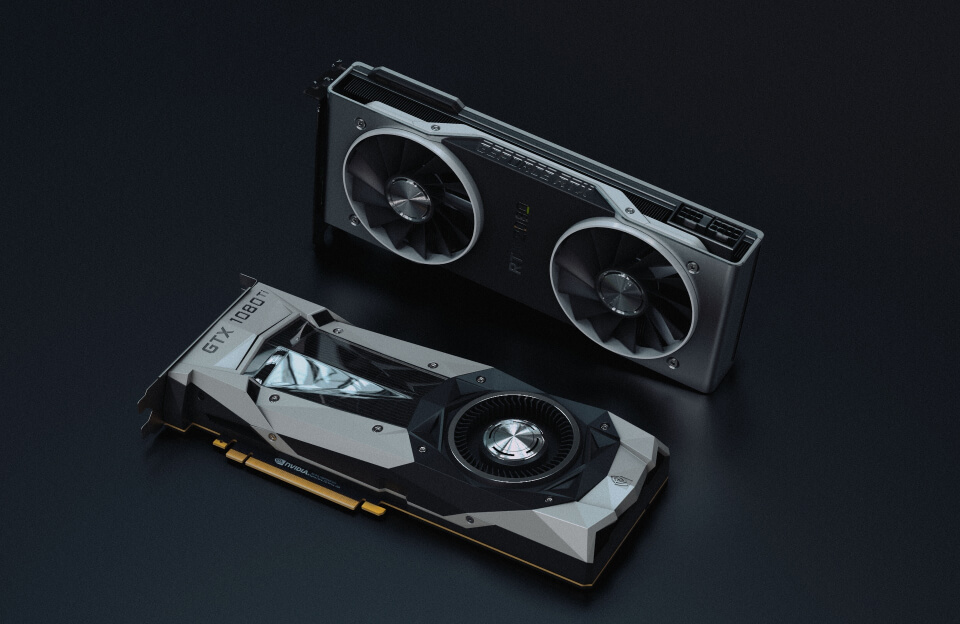
When you build a gaming or workstation PC, the GPU cooler you select can be the difference between stable performance and thermal throttling. The right GPU cooler not only maintains optimal graphics card temperatures during intensive tasks like overclocking and 4K gaming, but it also contributes to lower noise levels and longer component lifespan. In this guide we’ll walk through the key factors to consider, compare cooling technologies, and provide a step‑by‑step approach to match a cooler with your specific build. Whether you’re using a reference card or a custom‑cooled masterpiece, the principles below will help you make an informed decision that protects your investment.
Understand Your Cooling Needs
Before you start browsing aftermarket options, assess the thermal demands of your graphics card. High‑end GPUs such as the RTX 4090 or Radeon RX 7900 XT can draw 350 W or more under load, requiring robust cooling solutions. Conversely, mid‑range cards like the RTX 3060 Ti typically stay under 200 W, making a modest air cooler sufficient.
Key metrics to evaluate include:
- TDP (Thermal Design Power): Indicates the maximum heat the GPU will generate.
- Case airflow: Positive or negative pressure, fan placement, and mesh panels affect cooler efficiency.
- Noise tolerance: Some users prioritize whisper‑quiet operation over absolute cooling performance.
- Future upgrades: Planning to overclock or add additional GPUs will raise thermal load.
By quantifying these variables, you can narrow down the cooling methods that will realistically meet your requirements.
Air vs. Liquid GPU Cooling
Two primary categories dominate the market: air coolers and liquid coolers. Each has distinct advantages, and the choice often hinges on personal preference, case dimensions, and budget.
Air Coolers
Air coolers consist of a heatsink, heat pipes, and one or more fans. They are typically cheaper, easier to install, and require less maintenance. Modern high‑performance air solutions, like the NVIDIA Founders Edition designs, feature dual‑fan setups and advanced fin density to push heat away efficiently.
Consider an air cooler if you have:
- A compact case with limited radiator support.
- A modest budget (under $80 for most quality models).
- A desire for a low‑maintenance solution.
Liquid Coolers
Liquid cooling uses a closed‑loop system (AIO) that transfers heat from the GPU to a radiator where fans dissipate it. This method generally achieves lower temperatures and can be quieter at high loads, though it introduces complexity and a higher cost (often $120‑$250).
Liquid cooling is advantageous when you plan to:
- Push the GPU well beyond stock clocks.
- Maintain sub‑70 °C temperatures for sustained workloads.
- Enjoy a clean aesthetic with RGB‑sync capabilities.
Note that not all GPUs are compatible with aftermarket AIOs; you may need an adapter kit or a GPU that ships with a pre‑installed liquid block.
Key Compatibility Factors
Choosing a cooler that physically fits your build is essential. Overlooked details can lead to expensive returns.
- GPU length and height: Measure the board and compare it to the cooler’s dimensions.
- PCIe slot clearance: Ensure fan blades won’t interfere with adjacent cards or power connectors.
- Case dimensions: Verify that the cooler’s height fits within your case’s maximum GPU clearance.
- Power delivery: Some liquid coolers require additional 6‑pin or 8‑pin connectors.
Manufacturers often provide compatibility lists. For instance, TechPowerUp maintains a searchable GPU database that includes recommended coolers for each model.
Performance Metrics to Evaluate
When comparing options, look beyond marketing hype and focus on real data. Reliable sources such as Tom’s Hardware and AnandTech regularly benchmark GPU coolers under identical conditions.
Important performance indicators include:
- Peak temperature: Lower is better, especially under synthetic stress tests like Unigine Heaven.
- Thermal delta: Difference between idle and load temperatures; a small delta indicates efficient cooling.
- Noise level (dBA): Measured at full fan speed; aim for under 40 dBA for quiet builds.
- Temperature stability: Consistency during prolonged gaming sessions.
For example, a recent review on Tom’s Hardware showed that the EVGA Hybrid Water Block kept a RTX 3080 at an average of 58 °C under 100 % load, while a comparable high‑end air cooler maintained 66 °C—a difference that can be critical for heavy overclocking.
Installation and Maintenance Considerations
Even the best cooler is futile if you cannot install or maintain it properly.
- Tool requirements: Most air coolers need a Phillips screwdriver; liquid coolers may require additional brackets.
- Thermal paste application: Quality paste (e.g., Arctic MX‑4) improves heat transfer; follow the manufacturer’s recommended amount.
- Cleaning schedule: Dust buildup on fins or radiators reduces efficiency. Clean every 3‑6 months with compressed air.
- Warranty coverage: Verify that installing an aftermarket cooler does not void the GPU warranty.
Some premium liquid coolers include quick‑release fittings that simplify future upgrades, while certain air coolers feature modular fan mounts for easy replacement.
Make the Final Decision
Summarizing the process, ask yourself these questions:
- What is the TDP of my GPU, and will I overclock?
- Does my case support the radiator size I need?
- Is noise a priority, or can I tolerate louder fans for cheaper cooling?
- Do I have the budget for a liquid solution, or is a high‑quality air cooler sufficient?
If you answered “high TDP,” “plan to overclock,” and “have space for a 240 mm radiator,” a liquid AIO is likely the best match. If your case is compact, your budget modest, and your GPU mid‑range, a dual‑fan air cooler from reputable brands like Cooler Master or Noctua will provide ample performance.
Remember to check the latest compatibility charts and read community feedback on forums such as Linus Tech Tips before finalizing your purchase.
Conclusion: Choose Wisely and Keep Your GPU Healthy
Choosing the right GPU cooler is a balance of performance, noise, space, and cost. By evaluating your GPU’s thermal design power, understanding the differences between air and liquid cooling, verifying physical compatibility, and consulting reputable benchmark data, you can select a cooler that safeguards your graphics card while delivering the gaming or compute performance you expect. Ready to upgrade? Browse the latest models, read the detailed reviews on trusted tech sites, and invest in a cooling solution that will keep your rig running cool for years to come. Upgrade your cooling today and experience the difference – your GPU will thank you!
Frequently Asked Questions
Q1. What factors determine which GPU cooler I need?
The GPU’s TDP, your case’s airflow, noise tolerance, and any plans for overclocking are key. High‑end cards with 300 W+ demand more robust cooling. Mid‑range GPUs can often be handled by quality air coolers.
Q2. Are air coolers sufficient for modern high‑performance GPUs?
Modern high‑end air coolers can keep cards like the RTX 3080 under 70 °C in most games. However, if you plan extreme overclocking or want the lowest possible temps, liquid cooling usually performs better.
Q3. How do I know if a liquid AIO will fit in my case?
Check your case’s supported radiator sizes (e.g., 240 mm, 360 mm) and ensure there’s clearance for the pump and tubing. Most manufacturers list compatible case dimensions on the product page.
Q4. Will installing an aftermarket cooler void my GPU warranty?
Many GPU warranties remain valid if you use an aftermarket cooler, but it varies by vendor. Always read the warranty terms and consider keeping the original cooler for warranty service.
Q5. How often should I clean my GPU cooler?
Dust can degrade performance, so clean the fins or radiator every 3‑6 months with compressed air. Replace the thermal paste every 1‑2 years for optimal heat transfer.