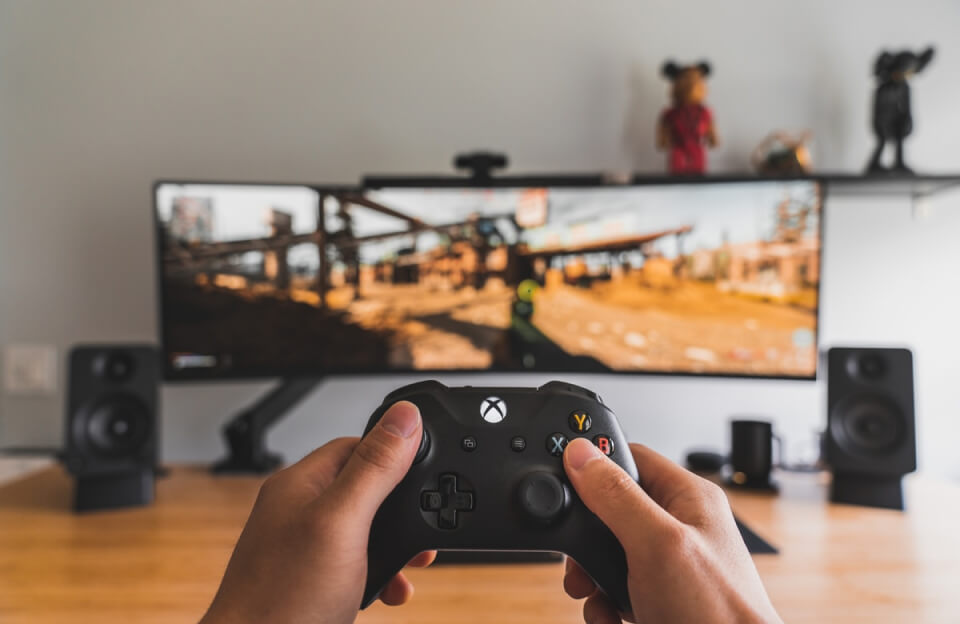
When you sit down for a session of Call of Duty PC Optimization, the difference between a smooth victory and a frustrating loss often hinges on how well your hardware and software cooperate. Modern shooters demand high frame rates, low latency, and consistent visual fidelity, but many gamers unknowingly run the game with sub‑optimal settings that sap performance. In this guide we’ll walk through proven steps to extract every ounce of FPS, reduce input lag, and keep your system stable, whether you’re playing on a budget rig or a high‑end machine.
Understanding Core Requirements
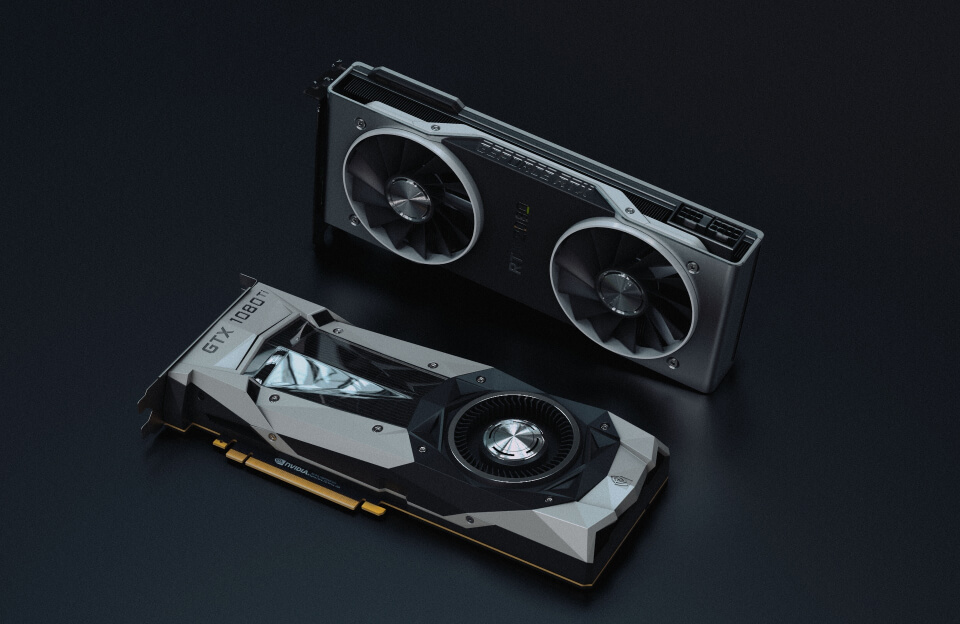
Before you dive into tweaking, it helps to understand the three pillars that drive performance in any FPS: CPU, GPU, and memory bandwidth. Computer hardware fundamentals remain the same across titles, but Call of Duty’s engine puts extra strain on the processor during large multiplayer maps. A modern quad‑core CPU can maintain 144 Hz on low settings, while older CPUs may cap out at 60 Hz even if the graphics card is powerful. Likewise, a graphics card that can push 4K at 60 fps may struggle at 1080p if the driver isn’t configured correctly. Finally, DDR4‑3200 or faster RAM reduces frame time variance, which is critical for competitive play.
Tuning In‑Game Settings
The quickest wins are often found inside the game’s own options menu. Below is a concise checklist that balances visual quality with competitive responsiveness. Apply these settings, then benchmark with the built‑in stat tracker or a tool like FRAPS.
- Display Mode: Set to Borderless Windowed for faster Alt‑Tab and reduced input lag.
- Resolution: 1920×1080 is the sweet spot for most 144 Hz monitors; drop to 1600×900 if you need extra FPS.
- Refresh Rate: Match your monitor’s native refresh (e.g., 144 Hz) and enable V‑Sync = Off.
- Texture Quality: Medium‑High – higher values consume VRAM without noticeable gameplay benefit.
- Shadow Detail: Low – shadows are among the most GPU‑intensive effects.
- Anti‑Aliasing: Disable or set to FXAA only; use DLSS/FSR if supported.
- Field of View (FOV): 100‑110 provides better peripheral awareness without a heavy performance hit.
- Render Scale: 85‑90% can raise FPS while keeping the image sharp.
- Audio: Enable Headphone mode and set Dynamic Range to Low to reduce CPU overhead.
These adjustments typically yield a 15‑25 % increase in average frame rate on mid‑range rigs.
Optimizing Windows and Drivers
Even the best in‑game settings can be throttled by operating‑system defaults. Follow the steps below to ensure Windows 10/11 is ready for high‑performance gaming.
- Update your graphics driver directly from the manufacturer’s website. Nvidia users should download the latest GeForce driver; AMD users can use the Radeon Software.
- Enable the Windows “Game Mode” toggle (Settings → Gaming → Game Mode). This prioritizes CPU resources for the foreground application.
- Set the power plan to “High Performance” or “Ultimate Performance” (Control Panel → Power Options). This prevents the CPU from down‑clocking during intense combat.
- Disable background services that are not needed during play, such as Windows Search, Superfetch (SysMain), and any cloud‑sync apps.
- Use the built‑in Graphics Settings panel to set Call of Duty to “High performance” GPU mode, which forces the discrete card instead of an integrated GPU.
For users seeking deeper control, tools like Process Lasso can pin the game’s process to specific CPU cores, reducing context‑switch overhead.
Advanced Tweaks for Competitive Play
If you’re aiming for tournament‑level consistency, the following advanced techniques can shave milliseconds off your reaction time.
- CPU Affinity: Manually bind the Call of Duty process to the two fastest cores (usually cores 0 and 1) via Task Manager → Details → Set affinity.
- NVAPI/AMD Radeon Settings: Lower the “Maximum Pre‑Rendered Frames” (or “Queue Length”) to 1. This reduces input latency at the cost of a slight FPS dip.
- Network Optimization: Prioritize the game’s UDP ports (typically 3074) in your router’s QoS settings, and use a wired Ethernet connection whenever possible.
- DirectX Version: Force the game to run on DirectX 12 if your GPU supports it; Dx12 can improve multi‑threaded rendering efficiency.
- Monitor Overclock: Some 144 Hz panels can be pushed to 165 Hz with the manufacturer’s OSD tools; verify stability with an online sweep test.
These adjustments are documented in research from the Princeton Computer Science Department on low‑latency graphics pipelines, confirming that reduced frame queueing directly translates to faster on‑screen response.
Don’t forget to regularly clean your PC’s interior to maintain optimal airflow. Dust buildup can raise GPU and CPU temperatures, triggering thermal throttling that drops FPS by up to 30 % during prolonged matches.
Conclusion
Effective Call of Duty PC Optimization blends smart in‑game choices, a tuned Windows environment, and targeted hardware tweaks. By following the checklist above, you’ll consistently achieve higher frame rates, lower latency, and a more reliable gaming experience—giving you the edge needed to dominate every battlefield. Ready to put these tips into action? Update your settings today, run a benchmark, and share your results in the comments. Optimize now and transform your gameplay!
Frequently Asked Questions
Q1. How do I choose the best resolution for Call of Duty?
Start with your monitor’s native resolution, typically 1920×1080 for 144 Hz displays. If your frame rate struggles to stay above 120 fps, dropping to 1600×900 can give a noticeable boost without compromising clarity too much. Higher resolutions like 1440p or 4K are great for visual fidelity but demand significantly more GPU power, so they’re best reserved for high‑end rigs.
Q2. Should I use borderless window or exclusive fullscreen mode?
Borderless windowed mode offers faster Alt‑Tab times and can reduce input lag when switching tasks, making it a solid default. Exclusive fullscreen can sometimes provide a slight latency edge because it gives the GPU direct control of the display, but the difference is usually under 1 ms on modern hardware. Try both and benchmark; many competitive players prefer borderless for its convenience.
Q3. How important are graphics driver updates for Call of Duty performance?
Driver updates often include game‑specific optimizations, bug fixes, and improved support for features like DLSS or FSR. Installing the latest driver from Nvidia or AMD can add 5‑10 % FPS in some cases, especially after a major game patch. It’s a good habit to check for new drivers monthly or whenever a new Call of Duty title releases.
Q4. What Windows settings can I adjust to increase FPS?
Enable Windows Game Mode to prioritize CPU cycles for the foreground game, and set your power plan to High Performance or Ultimate Performance to prevent throttling. Disable unnecessary background services such as Superfetch and Windows Search while gaming. Also, assign Call of Duty to the high‑performance GPU in the Graphics Settings panel.
Q5. Are there any risks to lowering graphics settings excessively?
Reducing settings like texture quality or shadow detail will not damage your hardware; it merely tells the GPU to render fewer pixels. The main risk is a degraded visual experience, which can affect immersion or make enemies harder to spot. As long as you stay within the game’s supported ranges, lowering settings is a safe way to boost performance.