If you’re looking to squeeze more performance from a budget PC, the most important first step is to treat upgrades like a carefully balanced diet: focus on high‑value, low‑cost items that deliver a noticeable boost in everyday use.
Budget PC Upgrades: Identifying the Most Cost‑Effective Paths
Before you rush to replace parts, start by pinning down where the bottlenecks lie. Open the Task Manager or use a tool like VisualPC to view CPU, GPU, RAM, and disk usage. A CPU that peaks at 100 % during a game often signals that the processor, rather than the graphics card or memory, needs upgrading. Conversely, a graph that spikes on the GPU curve tells you the graphics unit is the culprit. Knowing the bottleneck lets you channel your budget where it will have the greatest impact.
Set a realistic budget—many seasoned users find that a $200 allocation yields the biggest improvement in frame rates and loading times. Allocate roughly 40 % for the GPU, 20 % for memory, 15 % for storage, and the remainder for cooling or a new power supply if required. This split doesn’t have to be rigid; tweak it based on the age of your system. An older board may need a newer chip, while a newer motherboard may only benefit from more RAM.
Finally, always buy second‑hand or look for clearance sales. Many retailers publish a “previous‑generation” lineup in the off‑season, and sites like Newegg or Amazon’s ‘Closeout’ section often feature discounted GPUs and SSDs that still offer excellent performance for their price.
Budget PC Upgrades: Choosing a Graphics Card on a Shoestring Budget
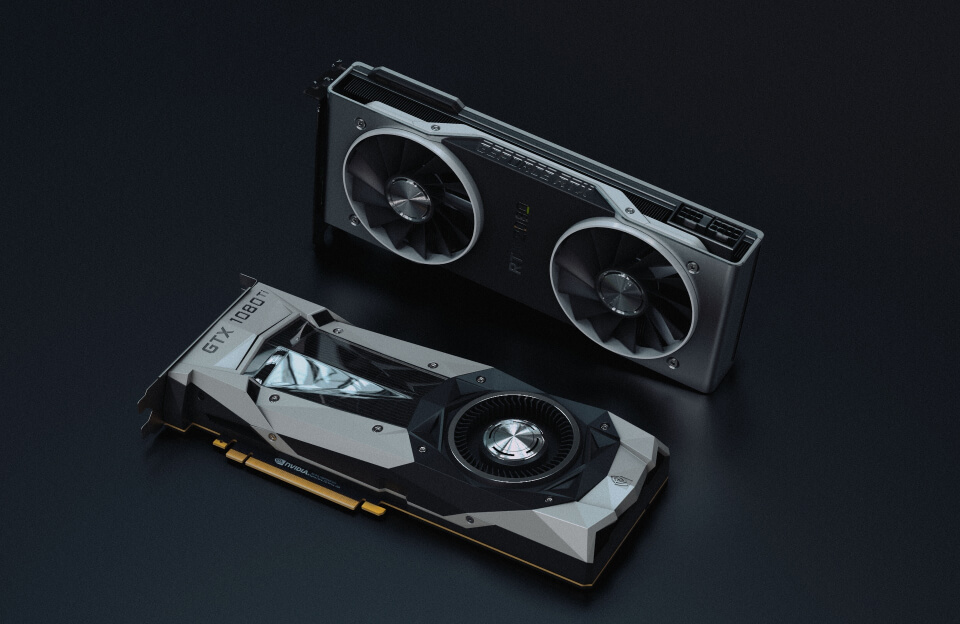
A powerful GPU is usually the single most effective upgrade for gaming or creative work. For a budget PC, aim for a card that offers a decent performance bump compared to integrated graphics but stays under $250. The Graphics Processing Unit that best fits most hobbyists is the Nvidia GeForce GTX 1660 Super. It delivers almost 60 % more frames per second in modern titles compared to the older 950M, while still fitting into most small‑form‑factor cases.
AMD’s Radeon RX 5500 XT is another excellent contender. It’s built on the RDNA architecture, providing efficient performance in 1080p gaming. A 5500 XT typically costs between $200 and $250 and can run popular AAA games at medium settings with smooth framerates.
For users who prioritize ray‑tracing or plan to upgrade later, the entry‑level RTX 3050 is a worthwhile option. Though pricier—about $350—its DLSS support and AI‑accelerated rendering can pay off in the long term if you upgrade CPUs and memory to keep it in line. Check your power supply before purchasing any of these cards to ensure a 500‑W PSU is adequate.
Below is a quick comparison table to help decide which GPU aligns best with your usage and budget:
| GPU | Price Range | 1080p Performance | Ray Tracing |
|---|---|---|---|
| GTX 1660 Super | $180–$220 | High | No |
| RX 5500 XT | $200–$250 | High | No |
| RTX 3050 | $320–$350 | Very High | Yes (DLSS) |
Remember, the GPU is only part of the equation. Pair it with at least 8 GB of fast DDR4 RAM and a fast SSD to realize the full potential of a mid‑range card.
Budget PC Upgrades: Enhancing Memory and Storage for Speed
Memory is often overlooked, yet it can drastically affect both gaming and productivity. Modern CPUs benefit from high‑speed DDR4 modules; a 3200 MHz kit typically delivers a 10 % faster data throughput compared to a 2400 MHz kit. However, the biggest wins come from moving to 16 GB instead of 8 GB, especially if you multitask or use memory‑intensive applications.
When purchasing RAM, focus on module pairs from the same manufacturer and timing specifications. A 2‑stick kit (2 × 8 GB) gives you dual‑channel benefits that can noticeably bump frame rates in certain titles.
For storage, replace an old mechanical drive with an NVMe SSD. NVMe drives leverage the PCIe interface directly, achieving read/write speeds of 3000–3500 MB/s—ten times faster than typical SATA SSDs. The NVMe standard is widely adopted, and you’ll find 512 GB or 1 TB drives under $120 that fit the pocket budget.
The combination of 16 GB of high‑speed RAM and an NVMe SSD not only cuts loading times but also improves stability during long editing sessions.
Budget PC Upgrades: Improving Cooling and Power Supply
Proper cooling is essential to keep a CPU and GPU from throttling under load. A decent case fan (120 mm, 70 mm) for under $15 can double your airflow, reducing temperature by 5–10 °C. Installing a fan controller or a simple power switch allows you to run fans only when needed—saving power and reducing noise.
Thermal paste is another inexpensive yet critical upgrade. Cheap paste can dry out over time, causing high temperatures. The premium paste brands such as thermal paste are available for under $10 and can lower idle temperatures significantly.
Power supplies often suffer underestimation; many 250‑W units struggle to power a mid‑range GPU. A well‑regulated 500‑W PSU with an 80 Plus Bronze rating gives you enough headroom and better efficiency. The 80 Plus badge indicates at least 80 % efficiency at 20 % and 100 % loads, which translates into lower energy bills and less heat.
When upgrading your PSU, double‑check the connector types. Modern GPUs use a 6‑pin or 8‑pin PCIe connector, whereas older CPUs might require a 4‑pin EPS cable. A modular PSU lets you remove unnecessary cables, keeping your case clean and airflow unblocked.
Budget PC Upgrades: Case Tweaks and Aesthetic Upgrades on a Tight Budget
Upgrading a case is optional but can provide better airflow and room for expansion. A mid‑tower case from brands like Phanteks or Cooler Master costs between $70 and $90 and typically supports 200 mm radiators or multiple large fans. The improved air paths reduce temperatures, allowing other components to run cooler.
For a quick aesthetic boost, install a strip of 12‑V or 5‑V LED fans. Many budget models come with RGB lighting, adding visual flair without breaking the bank. Cable management sleeves and zip ties can hide stray wires, and a quick cleaning of dust from vents can improve performance dramatically.
Even the simplest aesthetic changes elevate your build’s look. A clean, well‑cabled PC feels more professional and can make troubleshooting easier. Don’t shy away from investing a little extra in small accessories that offer long‑term benefits.
Conclusion and Call to Action
In the world of budget PC upgrades, the key is smart decision‑making: identify bottlenecks, target high‑value components, and balance performance gains with cost. From a modest GPU upgrade to high‑speed memory, from NVMe storage to efficient cooling, you can achieve a noticeable performance bump without spending a fortune.
Start by listing the specific pains your current machine experiences. Use the tables and recommendations above to guide your purchases, shopping around for the best deals, and verifying compatibility first‑hand. Once you’ve made at least one meaningful upgrade, watch the difference in your work or games. The payoff is instant and the budget spent is a worthwhile investment in your daily digital productivity.
Ready to power up your PC? Pick a component that aligns with your goals, shop around for the best price, and let the upgrade journey begin. Your budget, performance, and future‑proofing are all within reach—start upgrading today and experience the difference that smart budgets can create!