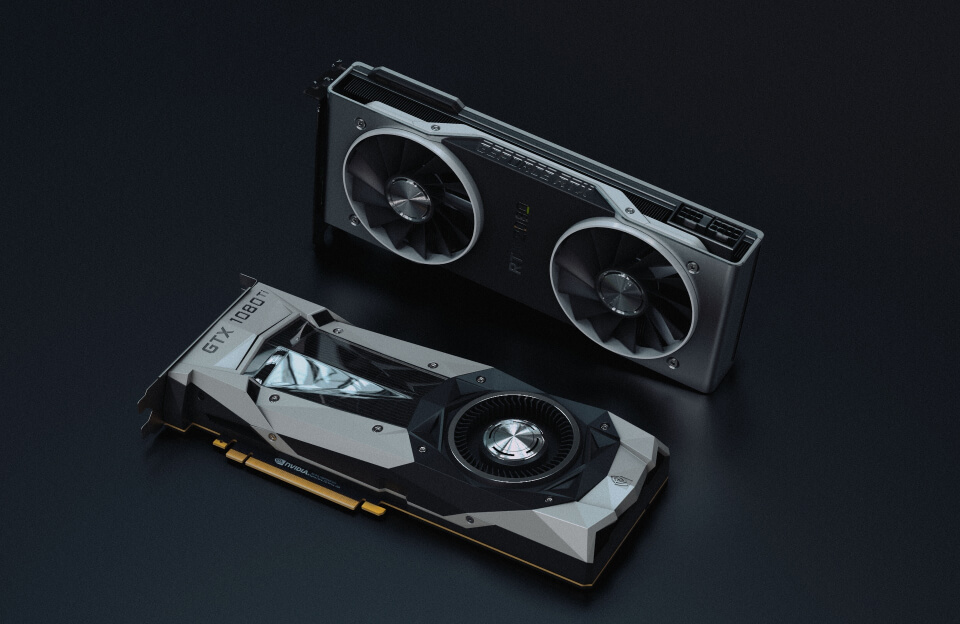
When you’re planning a new build on a limited budget, the phrase “Budget GPU Prices” immediately signals a pivotal decision point. For gamers, content creators, and power users alike, finding the right graphics card that offers solid performance without breaking the bank is an art that blends economics with technology. This guide walks you through the forces that drive pricing, highlights the best budget-friendly options on the market, and provides actionable tips to secure the most value for every dollar spent.
Understanding the GPU Market: Supply, Demand, and Pricing Dynamics
The GPU market operates much like any other commodity market, but with added layers of complexity due to rapid technological iterations and global supply chain constraints. First, the demand curve for graphics cards has surged since 2017, fueled by the rise of high-refresh gaming monitors, 4K streaming, and cryptocurrency mining booms. Second, manufacturing capacity—particularly the limited number of advanced semiconductor fabs—has struggled to keep pace with this jump, leading to periodic shortages and subsequent price hikes.
In 2023, the International Trade Administration highlighted a semi‑persistent supply shortage that pushed premium GPUs above MSRP, but the effect has largely diffused for entry‑level models. Still, new chip shortages can surface after seasonal peaks, underscoring that even budget GPUs will see price variation over time. External events—like a sudden surge in mining demand or geopolitical disruptions—can also depress price‑to‑performance ratios for a few months.
Key Factors That Influence Budget GPU Prices
There are several intertwined factors that directly shape the cost of budget GPUs:
- Semiconductor Fabric Capacity: Fabs that produce 7nm or 8nm chips are scarce; higher capacity equals lower prices.
- Cryptocurrency Mining Cycles: When mining profits rise, miners buy GPUs in bulk, tightening consumer supply.
- Seasonal Retail Demand: Holiday sales, back‑to‑school promotions, and new console releases can create price dips.
- Global Trade Policies: Tariffs or export restrictions can inflate import costs for domestic buyers.
- Component Cost Variability: Rising memory and PCB component prices propagate to finished card pricing.
Understanding these dynamics helps you predict when a price drop might occur or when a particular model will offer a rare bargain. For instance, the Graphics Processing Unit market saw a 5% MSRP increase for new‑tier cards in mid‑2023, leaving the lower‑end models comparatively stable.
Current Budget GPU Options and Their Price Points
As of late 2024, the most popular budget-friendly options span both NVIDIA and AMD lineups. Below is a quick snapshot of typical MSRP thresholds, keeping in mind regional currency adjustments and local retailer markups:
- NVIDIA RTX 3050 – $200–$260 MSRP, 768‑MB GDDR6, 128‑bit memory bus.
- NVIDIA GTX 1650 Super – $150–$190 MSRP, 4‑GB GDDR6, 128‑bit bus.
- AMD Radeon RX 6500 XT – $190–$240 MSRP, 4‑GB GDDR6, 128‑bit bus.
- AMD Radeon RX 6600 – $230–$310 MSRP, 8‑GB GDDR6, 128‑bit bus.
- NVIDIA RTX 2060 – $260–$320 MSRP (often refurbished), 6‑GB GDDR6.
While MSRP provides a baseline, real‑world prices fluctuate depending on retailer inventory, sales events, and local demand. Some retailers even offer bundled memory upgrades or discounted power supplies to sweeten the deal.
Benchmarking Budget GPUs: Performance vs. Cost
The ultimate measure of value for a budget card is the price‑to‑performance ratio. According to the recent AnandTech GPU Benchmarks 2023, the RTX 3050 achieves 60fps in Fortnite at 1080p with medium settings, a ~12% margin over the GTX 1650 Super while only costing roughly 50% more on a typical purchase. In full‑HD games like Call of Duty: Modern Warfare, the RX 6600 edges out the RTX 3050 by 15–20fps, delivering comparable visual fidelity with a slightly higher power draw.
When evaluating benchmark data, consider three key metrics:
- Average FPS at 1080p/60Hz – a benchmark for smooth gaming.
- Power consumption (W) – affects cooling costs and system efficiency.
- Memory bandwidth (GB/s) – influences performance in memory‑intensive titles.
Budget GPUs often sacrifice onboard memory or cooling solutions, so reviewing heat‑sink designs is vital, especially if you plan to run the card at high load for extended periods.
Tips for Finding the Best Deals and Avoiding Overpay
Securing a budget GPU at or below MSRP involves timing, research, and a willingness to shop across multiple channels:
- Leverage price‑tracking tools like CamelCamelCamel or PriceSpy to spot dips.
- Watch for seasonal sales: back‑to‑school, Black Friday, and Amazon Prime Day often bring significant discounts.
- Explore certified refurbished units from manufacturers or reputable resellers; these typically carry a warranty and can be 20–30% cheaper.
- Consider cross‑border purchases if shipping costs are low, but factor in import duties.
- Stay alert for bundle deals that include peripheral upgrades, e.g., a free 80‑W PSU or a set of RGB lighting.
Your local electronics store might also run promotional events that are not widely publicized online. Checking community forums and subreddits like r/buildapcsales can reveal hidden markdowns.
Future Outlook: When to Upgrade or Hold Off
Dramatic GPU architecture shifts rarely happen on arbitrary dates; instead, vendors release new chips in cycle‑aligned launches that can alter the entire price landscape. For example, AMD’s RDNA 3 family debuted in early 2023 with a $100 price hike for the mid‑tier RX 6800, while NVIDIA’s Ampere revival pushed the RTX 3060 to a 12% MSRP increase.
Hold off if you’re price-sensitive and don’t need immediate performance spikes. If you’re looking to future‑proof a build for next‑gen titles, it might be worth waiting for a cool‑down between major releases—a typical pattern is a 15–18% discount window that follows a new generation’s launch.
Conclusion: Make the Most of Your Budget GPU
In the fast‑paced world of PC hardware, staying informed about budget GPU prices empowers you to choose a card that balances cost, performance, and durability. By understanding market dynamics, watching key price‑driving factors, and employing smart purchasing tactics, you can consistently secure the best value without sacrificing the gaming experience you expect.
Ready to level up your rig? Check out the latest deals from trusted retailers, read user reviews, and use price‑tracking tools to lock in the best price. Your next gaming adventure awaits—don’t let budget GPU prices hold you back!