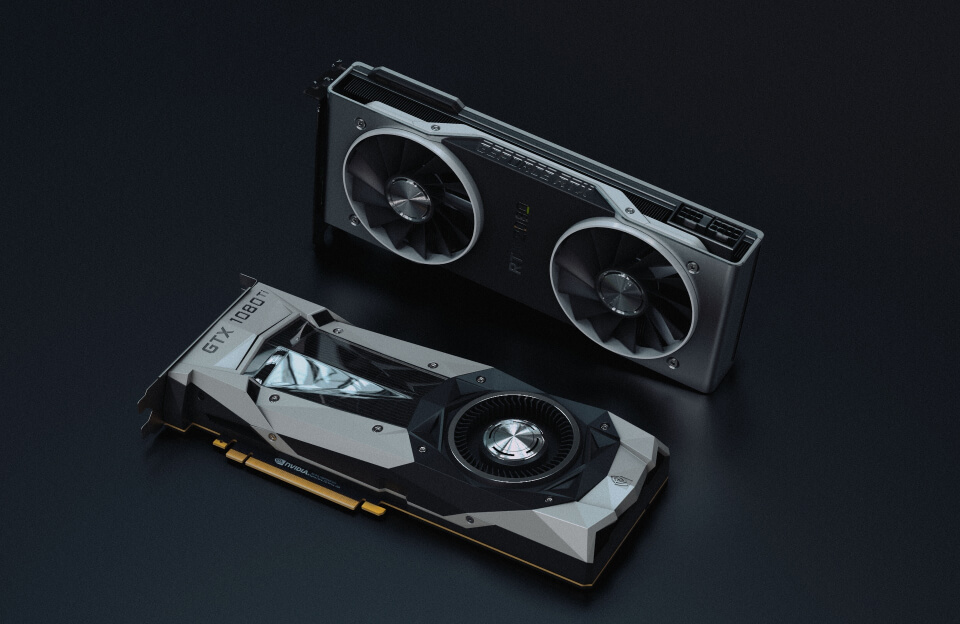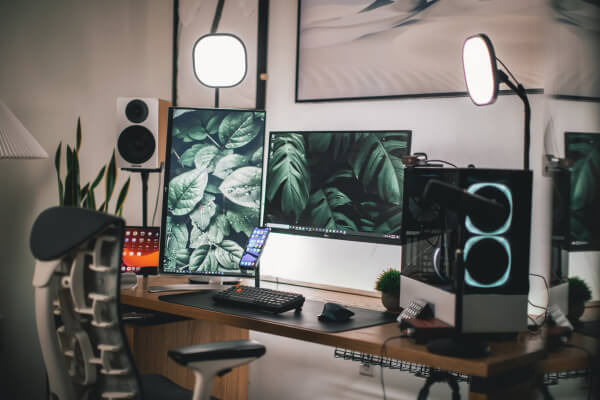
When it comes to high‑performance graphics processing, the choice between air and liquid GPU cooling can dramatically affect temperature, noise, and overall system stability. In this comprehensive guide we compare air vs. liquid GPU cooling, outline their advantages and drawbacks, and help you decide which solution aligns with your needs.
Air vs. Liquid GPU Cooling: How Air Cooling Works
Air cooling relies on one or more fans to push cool air across a heat‑sink attached to the GPU die. The heat‑sink consists of multiple copper or aluminum fins that increase surface area, allowing heat to transfer from the GPU to the surrounding air. Modern GPUs often ship with sophisticated fan curves that ramp speed up as temperatures rise, balancing cooling performance with fan noise. While the principle is simple, engineering improvements such as heat‑pipe technology and vapor‑chamber designs have made air cooling remarkably efficient for mainstream and even enthusiast cards. For more background on the physics of heat transfer, see Computer cooling.
Air vs. Liquid GPU Cooling: Liquid Cooling Mechanics
Liquid cooling circulates a coolant—typically a mixture of distilled water and glycol—through a closed loop that includes a water block, pump, radiator, and reservoir. The water block sits directly on the GPU, using a copper base and micro‑fins to absorb heat. The heated fluid is then pumped to a radiator where fans dissipate the heat into the air. Because liquid has a higher thermal conductivity than air, it can move heat away from the GPU more quickly, allowing lower operating temperatures even under heavy overclocking. Many enthusiasts build custom loops that also cool the CPU and VRM, creating a unified thermal solution. NASA’s research on thermal control demonstrates the effectiveness of liquid loops in extreme environments (NASA thermal control research).
Air vs. Liquid GPU Cooling: Pros and Cons of Air Cooling
Air cooling enjoys several practical benefits that make it the default choice for most users. Below is a concise overview of its strengths and weaknesses.
- Cost‑Effective: Air coolers typically cost between $20 and $70, making them accessible for budget builds.
- Ease of Installation: Most air coolers attach directly to the GPU with a simple bracket, requiring no maintenance beyond occasional dust cleaning.
- Reliability: Fewer moving parts mean lower failure rates; a single fan can run for years without replacement.
- Compact Form Factor: Air solutions fit in smaller cases where a radiator may not physically fit.
- Noise Levels: While high fan speeds can be audible, modern fan designs and PWM control can keep noise under 30 dB during idle.
On the downside, air cooling can struggle to keep temperatures low enough for aggressive GPU overclocking. The thermal ceiling is limited by the fin density and fan airflow, and in confined cases the airflow may become turbulent, reducing efficiency. Additionally, as the GPU draws more power, fan speeds increase, which can lead to noticeable fan noise during gaming sessions.
Air vs. Liquid GPU Cooling: Pros and Cons of Liquid Cooling
Liquid cooling addresses many of the limitations of air cooling, but it introduces its own set of considerations.
- Superior Thermal Performance: Liquid loops can achieve sub‑70 °C temperatures under full load, unlocking higher overclocking headroom.
- Reduced Fan Noise: Since the radiator can be placed away from the GPU, fans can run at lower RPM while still dissipating heat, often resulting in quieter operation.
- Customizability: Enthusiasts can design multi‑component loops that cool the CPU, GPU, and even VRMs, creating a cohesive aesthetic with colored coolant.
- Potential for Higher Component Lifespan: Lower operating temperatures can extend the life of the GPU’s silicon and solder joints.
- Space Efficiency for High‑End Builds: Large radiators can be mounted on case panels, freeing up interior space for additional drives or expansion cards.
Conversely, liquid cooling demands a higher upfront investment—typically $100 to $300 for a complete kit. Installation is more complex, requiring careful routing of tubes, leak testing, and periodic coolant replacement. Failure modes such as pump malfunction or leaks can cause catastrophic damage to the GPU if not mitigated with proper fittings and monitoring. Additionally, the maintenance overhead may deter users who prefer a set‑and‑forget solution.
Air vs. Liquid GPU Cooling: Making the Right Choice for Your Build
Choosing between air and liquid GPU cooling hinges on three primary factors: performance goals, budget, and maintenance willingness.
- Performance Goals: If you plan to push the GPU beyond factory specifications with aggressive overclocking, liquid cooling provides the thermal margin needed for stable operation.
- Budget Constraints: For mainstream gaming or workstation tasks where temperatures stay within safe limits, a high‑quality air cooler offers excellent value.
- Maintenance Preference: Users who desire a low‑maintenance solution should favor air cooling, whereas hobbyists who enjoy building and tweaking custom loops may appreciate the hands‑on nature of liquid cooling.
It is also worth noting the impact of case airflow design. Even the best liquid cooling loop benefits from a well‑ventilated case, while a poorly ventilated case can negate the advantages of an air cooler. For comprehensive guidance on case airflow, consult the Princeton study on thermal management, which outlines best‑practice fan placement and pressure balancing.
In the end, both air and liquid solutions have matured to the point where they can reliably keep modern GPUs cool. The decision ultimately rests on how much you value raw performance versus simplicity and cost.
Ready to upgrade your graphics card’s cooling system? Explore our curated selection of top‑rated air and liquid GPU coolers and experience the difference today. Whether you choose air vs. liquid GPU cooling, your system will thank you for the improved stability and performance.
Frequently Asked Questions
Q1. What are the main differences between air and liquid GPU cooling?
Air cooling uses fans and heatsinks to move heat directly to the air, while liquid cooling circulates coolant through a water block, pump, and radiator to transfer heat more efficiently. Liquid systems usually achieve lower temperatures, but they are more complex and costly.
Q2. Is liquid GPU cooling worth the extra cost for gaming?
If you plan to overclock heavily or want the quietest operation, liquid cooling can provide the thermal headroom and lower fan noise that justify the price. For standard 1080p or 1440p gaming at stock speeds, a quality air cooler is often sufficient.
Q3. How often does an air GPU cooler need maintenance?
Air coolers mainly need periodic dust removal, typically every 3–6 months, to keep the fins and fans clear. No fluid changes are required, making them a low‑maintenance option.
Q4. Can a custom liquid loop damage my GPU?
Improper installation, leaks, or pump failure can cause coolant to contact components and cause damage. Using high‑quality fittings, performing leak tests, and monitoring pump performance reduces these risks.
Q5. Will a better case airflow improve the performance of an air‑cooled GPU?
Yes, good case airflow supplies fresh cool air to the GPU’s heatsink and exhausts hot air efficiently, lowering temperatures and allowing the fans to run slower. Proper fan placement and positive pressure are key.