Building an Affordable RTX Gaming PC doesn’t have to mean compromising on modern graphics performance. With the right balance of components, careful budgeting, and an eye for sales, you can enjoy ray‑tracing‑enabled titles without breaking the bank. In this guide we walk through the essential decisions, from choosing the proper GPU to optimizing cooling, so you can assemble a machine that delivers smooth frame rates at 1080p or 1440p while staying within a realistic budget.
Understand Your Performance Targets
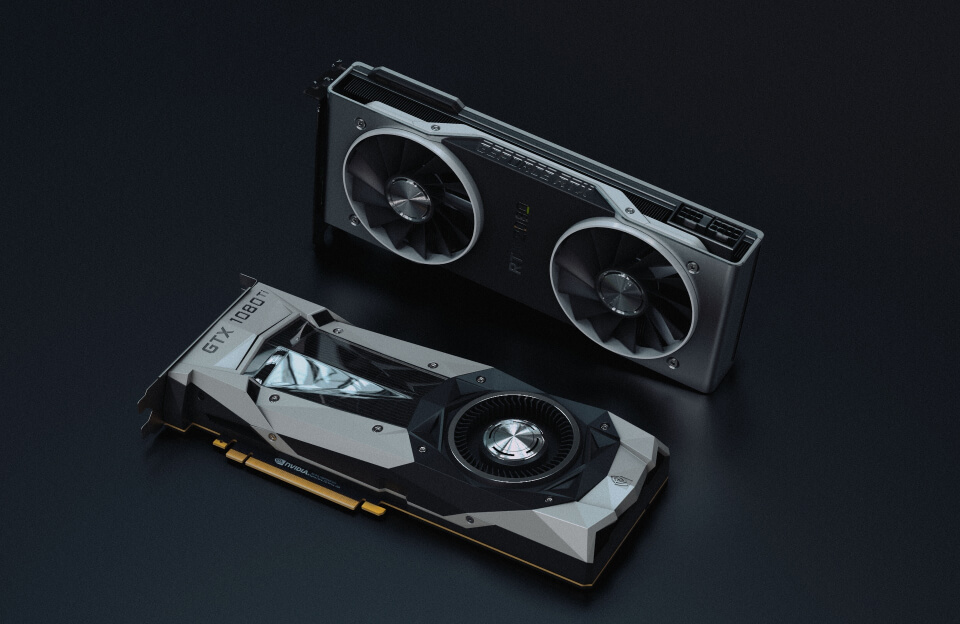
Before you start picking parts, define what “gaming performance” means for you. Most budget‑oriented gamers aim for 60‑90 FPS at 1080p with medium‑high settings, or 1440p at 60 FPS with a mix of high and ultra settings. Knowing this helps you choose an RTX model that fits the budget. The RTX 3060, for example, is widely praised for delivering excellent value in the mid‑range segment, offering ray tracing and DLSS support without the premium price tag of the RTX 3070 or 3080.
Select the Right RTX Card for a Budget Build
When shopping for an affordable graphics card, consider the following:
- Look for factory‑overclocked variants that provide a modest performance bump.
- Check reputable retailers for seasonal discounts or refurbished units.
- Prioritize models with at least 8 GB of GDDR6 memory to future‑proof your system.
The RTX 3060 typically retails between $300 and $400, making it a sweet spot for a budget gaming build. If you can stretch a little, the RTX 3060 Ti offers roughly 20‑25% more performance for an extra $100, but the standard 3060 is usually sufficient for most current titles.
CPU, Motherboard, and Memory Pairing
Pairing the right CPU with your RTX card is crucial to avoid bottlenecks. For a cost‑effective yet capable setup, the AMD Ryzen 5 5600X or Intel Core i5‑12400F deliver strong single‑core performance, which most games rely on. Both CPUs sit comfortably under $200 and support PCIe 4.0, allowing the RTX 3060 to operate at its full bandwidth.
Choose a B550 (AMD) or B660 (Intel) motherboard that offers the features you need—such as at least two M.2 slots for fast NVMe storage and USB‑3.2 ports—without the premium pricing of higher‑end chipsets. When it comes to RAM, 16 GB of DDR4‑3200 or DDR4‑3600 is the sweet spot; it’s enough for modern games and multitasking, and it fits comfortably within a modest budget.
Storage, Power, and Cooling Essentials
Fast storage improves load times and overall system responsiveness. A 500 GB or 1 TB NVMe SSD (e.g., Samsung 970 EVO Plus) provides the speed you need for games and the operating system, and it’s often on sale for under $80. If you need additional capacity for a large game library, a secondary 2 TB SATA HDD can be added economically.
Power supply selection should never be an afterthought. A reliable 550 W to 650 W unit from a reputable brand (such as Corsair, Seasonic, or EVGA) with an 80+ Bronze rating ensures stable power delivery to your RTX card and other components. Avoid ultra‑cheap PSUs, as they can lead to instability or even hardware failure.
Effective cooling keeps your PC quiet and prolongs component lifespan. A modest CPU cooler—like the Cooler Master Hyper 212—costs around $35 and provides adequate thermal performance for the Ryzen 5 5600X or i5‑12400F. For the case, select one with good airflow; mesh front panels and multiple fan mounts help maintain optimal temperatures without needing expensive liquid cooling setups.
Assemble Smartly and Optimize Settings
When assembling your system, follow these best practices:
- Ground yourself to prevent static discharge.
- Install the CPU and RAM on the motherboard before mounting it in the case.
- Apply thermal paste sparingly and securely attach the CPU cooler.
- Connect power cables firmly, especially the 8‑pin PCIe connector for the RTX card.
- Route cables neatly to improve airflow and aesthetics.
After the first boot, update your BIOS, install the latest GPU drivers from NVIDIA, and enable ray tracing and DLSS in supported games. Adjust in‑game settings to balance visual fidelity with performance—enable DLSS for demanding titles, lower shadow quality, and cap frame rates to match your monitor’s refresh rate.
Cost Breakdown Example
Below is a sample component list that stays under $1,000 while delivering solid performance:
- GPU: NVIDIA GeForce RTX 3060 – $349
- CPU: AMD Ryzen 5 5600X – $179
- Motherboard: MSI B550‑M PRO‑VDH – $109
- RAM: 16 GB (2 × 8 GB) DDR4‑3600 – $69
- Storage: 1 TB Samsung 970 EVO Plus NVMe SSD – $89
- Power Supply: Corsair CX650M 650 W 80+ Bronze – $79
- Case & Cooling: NZXT H510 with Cooler Master Hyper 212 – $99
Total: ~$973 (prices may vary). This configuration meets the goals of an affordable RTX gaming PC and can be upgraded over time—such as swapping to an RTX 3060 Ti or adding more RAM—as your budget allows.
Future‑Proofing and Upgrade Paths
Even on a budget, planning for future upgrades helps extend the lifespan of your rig. Since the RTX 3060 uses the PCIe 4.0 interface, you can later install a more powerful RTX 3070 or even an RTX 4080, provided the power supply and case can accommodate the larger card. Adding a second NVMe SSD or upgrading to 32 GB RAM are straightforward improvements that keep the system relevant for upcoming game releases.
For deeper technical insight into GPU architecture, you can read the detailed Wikipedia article on NVIDIA GeForce RTX. Academic resources, such as the Princeton Computer Science Department, also publish research on graphics processing and can be useful if you’re interested in the underlying technology.
Conclusion
Creating an Affordable RTX Gaming PC is entirely feasible with careful component selection, smart shopping, and a willingness to fine‑tune settings. By focusing on a balanced CPU‑GPU pair, reliable power, fast storage, and effective cooling, you can enjoy the visual benefits of ray tracing without overspending. Start your build today, follow the assembly checklist, and remember that each upgrade you make will further enhance your gaming experience.
Ready to build or need personalized advice? Contact our experts now and turn your gaming vision into reality!
Frequently Asked Questions
Q1. Which RTX GPU gives the best value for a budget build?
The NVIDIA GeForce RTX 3060 is widely regarded as the sweet spot for budget‑oriented gamers. It offers ray‑tracing and DLSS support while staying below $400 for most models. Compared to the 3060 Ti, it provides solid 1080p‑1440p performance at a lower price point.
Q2. How much memory (RAM) do I need for modern games?
Sixteen gigabytes of DDR4 RAM (3200‑3600 MHz) is considered the baseline for current titles. This amount allows smooth multitasking and prevents bottlenecks in demanding games. Upgrading to 32 GB can be useful for future‑proofing or heavy content‑creation workloads.
Q3. Do I need a high‑wattage power supply for an RTX 3060?
A reliable 550 W to 650 W PSU with an 80+ Bronze rating is sufficient for an RTX 3060 system. It provides enough headroom for the CPU, storage, and cooling without overspending. Avoid ultra‑cheap units, as they can cause instability or damage components.
Q4. Can I use a B550 motherboard with an Intel processor?
No. B550 chipsets are designed for AMD Ryzen CPUs, while Intel platforms require B660, Z690, or similar boards. Mixing the two will not work because the socket and chipset are incompatible.
Q5. What cooling solution is best for a budget gaming PC?
An air cooler such as the Cooler Master Hyper 212 offers excellent thermal performance for under $40. Pair it with a case that has mesh front panels and at least two intake fans. This combination keeps temperatures low without the complexity and cost of liquid cooling.