Competitive gamers demand razor‑sharp performance, zero lag, and crisp visuals every time they press start. That is why choosing the right hardware—especially a powerful Gaming PC for competitive play—is not a luxury but a necessity. When you build or buy a system, the key components—CPU, GPU, RAM, storage, and cooling—must work in tandem to serve high frame rates, quick load times, and reliable stability under load. While the market offers countless options, the most successful rigs share the same core principles: identify the workloads you’ll face, match them with proven parts, and optimize the system for long‑term use.
Know the Specs for Speed
At the heart of any winning gaming rig is the central processing unit (CPU) and the graphics processing unit (GPU). For competitive titles like League of Legends, Valorant, and CS:GO, a high‑clock, multi‑core processor paired with a lightweight, high‑frame‑rate GPU delivers the best experience.
- CPU: Aim for a 6‑core or 8‑core processor from the latest Intel Core i5 or the AMD Ryzen 5 series. These processors offer a balance between cost and performance and comfortably handle modern game engines.
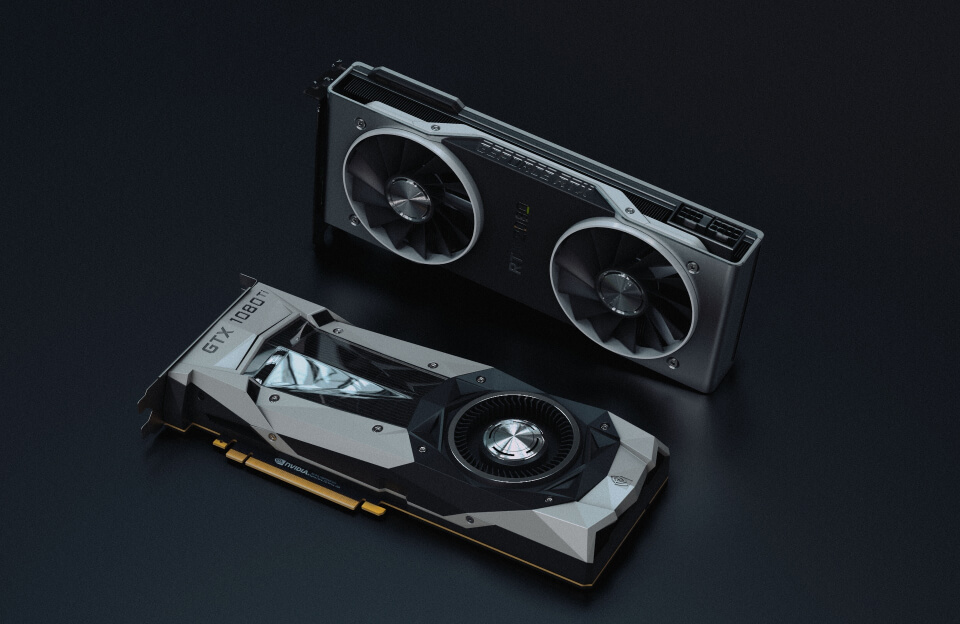
- GPU: The RTX 3080 graphics card remains a top choice for 1440p resolutions and 300 fps in many competitive games. Older GPUs like the RTX 2080 or the AMD Radeon RX 6800 can also suffice if budget constraints exist.
- RAM: 16 GB of DDR4 (or DDR5 if future‑proofing is a goal) enables smooth multitasking and rapid data access during gameplay.
- Storage: A PCIe NVMe SSD (512 GB or larger) reduces load times and ensures quick swap‑in for game‐specific assets.
- Motherboard: A B660 or X570 chipset provides robust power delivery and ample expansion slots for future upgrades.
When choosing a GPU, consider GPU technology advancements such as ray tracing and DLSS. However, for pure competitive play, prioritize raw frame output over photorealistic effects. The unit’s ability to sustain high frame rates at the desired resolution—without overheating—generally takes precedence.
Cooling for Sustainability
High-performance components generate significant heat under load. A robust cooling solution is essential to maintain consistent speeds and protect hardware longevity. Depending on budget and desired silence level, select between high‑quality air coolers or closed‑loop liquid cooling.
- Air Coolers: Look for models offering a 120 mm or larger radiator, silent fan profiles, and a static‑pressure design optimized for GPU aluminum heatsinks.
- Liquid Cooling: The liquid cooling kit can deliver lower temperatures during extended sessions, but ensure the case has adequate radiator mounting points and a decent airflow path.
- Good case intake and exhaust airflow reduce overall thermals. Positioning intake fans behind the CPU cooler and exhaust fans behind the GPU keeps hot air from recirculating.
- Use a quality paste like Arctic MX‑4 or Thermal Grizzly Kryonaut to improve heat transfer from the CPU to its cooler.
Monitoring tools—software such as MSI Afterburner or HWMonitor—allow you to keep an eye on temperatures, fan speeds, and power draw. Maintaining a cool environment (around 21–23 °C) and using the correct fan curves can keep the rig’s performance steady during intense sessions.
Display & Peripherals for Reflexes
Even the best hardware can be negated by a slow or laggy monitor. Competitive players should prioritize displays with the following specifications:
- Refresh Rate: 144 Hz is the baseline, with 240 Hz offering a perceptible advantage in fast‑action titles.
- Response Time: 1 ms gray‑to‑gray minimizes motion blur—seek manufacturers that certify this figure.
- Adaptive Sync: NVIDIA G‑Sync or AMD FreeSync reduces screen tearing and stutter, providing smoother gameplay.
- Resolution: 1080p gives the highest frame rates, while 1440p remains a popular compromise when noticeable crispness is desired without sacrificing performance.
- Ergonomics: An adjustable stand and a monitor size of 24–27 inches help maintain a comfortable sightline and reduce eye strain during long sessions.
Peripherals also play a critical role. A mechanical keyboard with low actuation force (typically 45–55 g) and a gaming mouse with high DPI (16000+ clickable) provide tactile feedback and sticky tracking. Wireless options that support 2.4 GHz or Bluetooth 5.0 with low latency are becoming increasingly reliable.
For further guidance on monitor selection, refer to the monitor specifications page, which details refresh rates, response times, and backlit technologies.
Build or Buy? Making the Decision
Deciding between buying a pre‑built competitive gaming PC or constructing your own depends on a few factors:
- Budget: Building allows incremental upgrades and can save up to 15% versus a comparable pre‑built system.
- Expertise: Building offers control over component selection and cable management. If that’s not your forte, a pre‑built kit can deliver certified performance.
- Service and Warranty: Pre‑built PCs often come with a single manufacturer warranty covering all components. A build requires separate warranties per part and potentially a bit more trouble shooting.
- Performance Guarantee: Pre‑built rigs frequently come with factory‑overclocked CPUs or GPUs, but this is not guaranteed. A custom build lets you tailor the overclock settings for the exact motherboard and cooling solution you own.
Regardless of the path you take, always vet the brand’s support reputation. For performance‑critical components—such as the GPU—you can consult multiple reviews from sites like Tom’s Hardware or AnandTech for objective benchmarks.
Conclusion: Ready to Dominate?
Achieving competitive supremacy is a blend of sharp hardware, strategic build choices, and championing an environment that maximizes your reflexes. By focusing on proven CPU/GPU combinations, ensuring reliable cooling, selecting a high‑refresh‑rate monitor, and objectively evaluating build versus buy routes, you’ll create a system that stands up to the relentless demands of esports.
Now that you have the roadmap, it’s time to put theory into practice.
Ready to dominate the competition? Build your ultimate competitive gaming rig today!
Frequently Asked Questions
Q1. What CPU should I choose for competitive gaming?
For titles like CS:GO, Valorant, and League of Legends, a 6‑core or 8‑core processor from the latest Intel Core i5 or AMD Ryzen 5 series is ideal. These CPUs provide plenty of single‑thread performance while keeping the price reasonable. They also handle modern game engines with minimal stutter, ensuring a fluid competitive experience.
Q2. Which GPU offers the best performance for esports titles?
The RTX 3080 remains a top choice for 1440p resolutions and 300 fps in many competitive games. If budgets are tighter, options like the RTX 2080 or AMD Radeon RX 6800 can still deliver strong frame rates. Prioritise raw frame output over high‑end visual effects for pure competitive play.
Q3. How much RAM is necessary for a competitive gaming rig?
Sixteen gigabytes of DDR4 (or DDR5 for future‑proofing) is sufficient to keep games and background applications running smoothly. This amount allows for quick data access while still being cost‑effective. More memory can be added if you multitask heavily during play.
Q4. What cooling solution should I use to maintain performance?
A high‑quality air cooler or a closed‑loop liquid cooling kit can keep temperatures low under load. Ensure your case offers good airflow: dedicated intake behind the CPU cooler and exhaust after the GPU. Adding quality thermal paste like Arctic MX‑4 improves heat transfer.
Q5. Which monitor specs matter most for competitive gaming?
Look for a 144 Hz (or higher, 240 Hz) refresh rate, 1 ms response time, and adaptive sync (G‑Sync or FreeSync). A 1080p resolution balances peak frame rates with good visual clarity, while a 1440p display offers a sweet spot of detail and performance for many players.