When you’re aiming to push the boundaries of pixel perfection, you need a machine that can keep up with the latest titles while also future‑proofing your setup. A high‑end gaming rig is more than just a flashy case and LED strips; it’s a carefully balanced system where each component is chosen to maximize performance, reliability, and cooling capacity. In this comprehensive guide, we’ll break down every key element you’ll need—from the core processor to the final peripheral—so you can assemble a rig that delivers buttery‑smooth gameplay and immersive VR experiences.
Choosing the Processor: The CPU Backbone
The processor is the heart of any gaming machine. For a high‑end rig, an 11th‑ or 12th‑generation Intel Core i9 or a Ryzen 9 7950X offers a winning mix of core count, clock speed, and IPC that latches onto the GPU’s power. Higher core counts help with streaming and multitasking, yet the raw single‑threaded performance is crucial for launch titles that still rely on fewer cores.
- Intel Core i9‑13900K – 24 cores, 32 threads, 5.8 GHz boost.
- AMD Ryzen 9 7950X – 16 cores, 32 threads, 5.5 GHz boost.
- Both are compatible with PCIe 5.0 motherboards for the latest GPU bandwidth.
You can find details on the Intel i9 series and the Ryzen 9 line. The choice often comes down to budget and brand preference, but either will layer a solid base for the rest of your build.
Graphic Power and Upscaling: The GPU’s Role
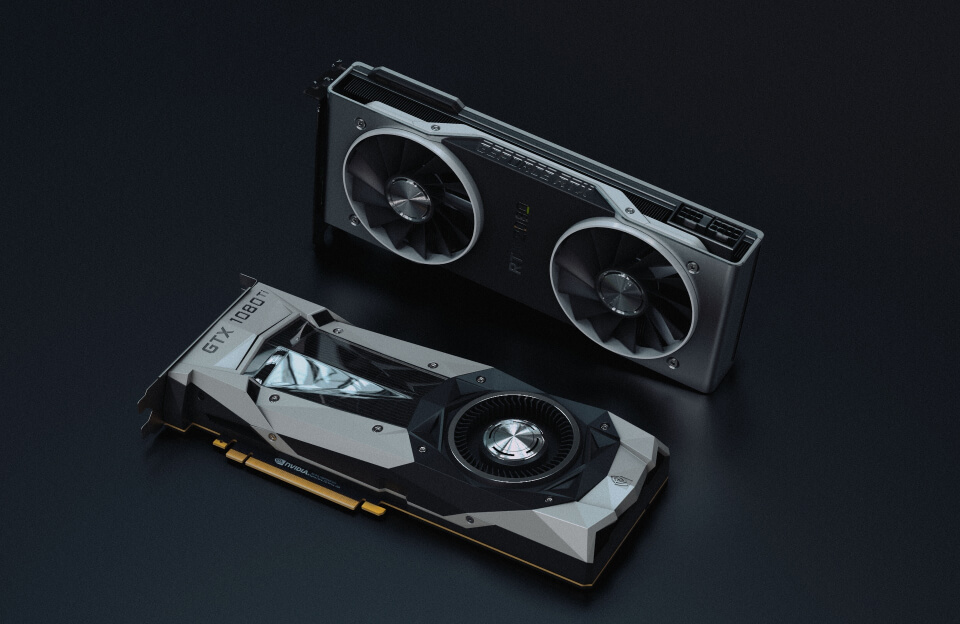
When people mention a high‑end gaming rig, the GPU is usually the headline. The NVIDIA RTX 4090 or AMD Radeon RX 7900 XTX provide the raw horsepower needed for 4K gaming at 120 fps and realistic ray‑traced lighting. Modern shaders and DLSS 3 or FidelityFX Super Resolution further lift frame rates without sacrificing visual fidelity.
Here are the key specs for each:
- NVIDIA RTX 4090 – 16 GB GDDR6X, 18 k CUDA cores, 2 TB/s memory bandwidth.
- AMD Radeon RX 7900 XTX – 24 GB GDDR6, 6720 stream processors, 512 GB/s.
Read the official NVIDIA page here: NVIDIA GeForce RTX 4090 and the Raspberry-Pi technical specs for AMD’s future roadmap.
Cooling Solutions: Liquid vs Air
A high‑end rig generates a lot of heat—especially when overclocking. A closed‑loop liquid cooling system can maintain stable temperatures under load, whereas a high‑quality air cooler, such as the Noctua NH-D15 or an AIO 360mm, may suffice for less extreme builds.
Important considerations include:
- Thermal Design Power (TDP) vs. the cooler’s maximum rating.
- Case airflow – an intake‑intake design is often best for rack dishes.
- RGB integration can enhance aesthetics but add marginal heat.
For detailed research on liquid cooling, consult TechRepublic’s cooling guide. The discussion of fan speed curves and thermal throttling is essential for long‑term performance.
Storage Architecture: NVMe & SSD performance
A fast storage drive dramatically cuts load times and improves in-game patching speed. PCIe 4.0 NVMe SSDs like the Samsung 980 Pro or the Western Digital Black SN850 can push speeds above 7 GB/s. Adding a secondary SATA‑III SSD for media files is often a wise budget move.
For readers wanting deeper technical specifications on NVMe, the NVMe Wikipedia page offers a thorough explanation of the interface’s capabilities and history. Pairing an NVMe drive with a high‑baud USB‑4 or Thunderbolt 4 external enclosure also provides future expansion options.
Peripherals & Accessories: The Finishing Touches
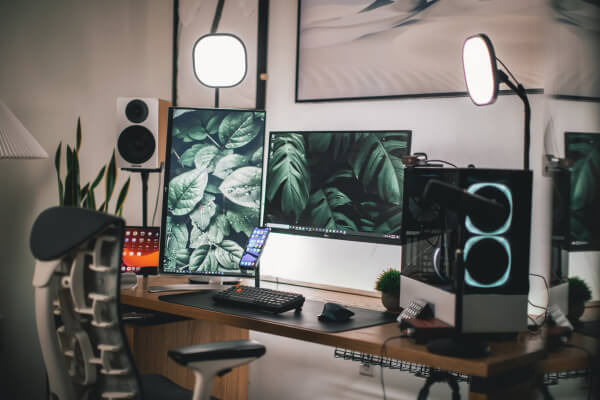
High‑end gaming isn’t only about the CPU and GPU—it’s also about the user experience. A 4K HDR monitor with a 144 Hz refresh rate, a mechanical keyboard with Cherry MX Brown switches, and a premium headset featuring spatial audio will further immerse you. Don’t forget cable management: a clean build looks more trustworthy and helps airflow.
Official driver updates from NVIDIA Driver Downloads keep your GPU performing at its peak and patch any compatibility quirks. For GPU overclocking on a safe path, consult WhiteBox’s overclocking fundamentals.
Final Thoughts: Build, Test, Repeat
Assemble your parts carefully, ensuring all connectors are seated and thermal paste is applied correctly. Run a benchmarking suite—3DMark Time Spy or Unigine Heaven—to establish a baseline. From there, tweak voltage settings, test stability with Prime95 or AIDA64, and monitor temperatures throughout.
For a long‑term experience, invest in a UPS to protect against power surges, and keep all drivers updated. Remember that the real magic of a high‑end gaming rig lies both in raw performance and your personal experience in the games it runs.
Ready to build your ultimate high‑end gaming rig? Start today—visit your local retailer or the official component sites to select your parts and begin the journey to supreme PC gaming.
Frequently Asked Questions
Q1. Which CPU is best for a high‑end gaming rig?
Both the Intel Core i9‑13900K and the AMD Ryzen 9 7950X excel in gaming. The i9 offers more cores for multitasking, while the Ryzen delivers a strong single‑threaded baseline. Choose based on pricing, platform preference, and overclocking comfort.
Q2. What GPU should I pair with the latest games?
The NVIDIA RTX 4090 and the AMD Radeon RX 7900 XTX are the top‑tier GPUs for 4K 120 fps. They support DLSS 3 or FidelityFX Super Resolution to boost frame rates without visual loss. Select one based on budget and availability.
Q3. Is liquid cooling necessary for a high‑end build?
Closed‑loop liquid cooling keeps temperatures low under continuous load, especially during overclocking. For less demanding setups, a quality air cooler like the Noctua NH‑D15 is sufficient and easier to maintain.
Q4. How fast should a storage solution be?
PCIe 4.0 NVMe SSDs such as the Samsung 980 Pro or WD Black SN850 offer read speeds over 7 GB/s. A secondary SATA SSD can store media. Consider USB‑4 external options for future expansion.
Q5. What peripherals complete the high‑end experience?
A 4K HDR monitor with 144 Hz refresh, a mechanical keyboard with Cherry MX Brown switches, and a headset with spatial audio create immersion. Proper cable management and driver updates keep airflow optimal and performance stable.