When you start streaming, the first thing that consumers notice is the clarity of your video, the responsiveness of your commands, and, surprisingly, the resale value of your console. The Best PC Build for Streaming is not just a collection of pricey parts; it’s a finely tuned machine that balances raw power with power‑efficiency, cooling, and future proofing.
Key Performance Priorities
Before selecting any individual part, identify your primary bottleneck: streaming does not just demand a fast codec; it also requires a GPU that can keep up with 4K or high‑refresh‑rate gameplay, a CPU capable of simultaneous decoding, and fast storage for low latency. CPU, GPU, and RAM are your three pillars. What follows is a breakdown that weighs performance per dollar against compatibility.
Top CPU Choices
The backbone of any streaming PC is the processor. For a cost‑effective, high‑throughput solution, look to the CPU families that provide at least six cores with hyper‑threading:
- AMD Ryzen 9 7950X3D – 16 cores, 32 threads, 4.5 GHz boost; great for multi‑tasking with an in‑built 3D‑cache that improves game rendering.
- Intel Core i9‑13900K – 24 cores, 32 threads, 5.8 GHz boost; excels in single‑threaded workloads like modern codecs.
- AMD Ryzen 7 7700X – 8 cores, 16 threads, 4.5 GHz boost; a mid‑tier but still powerful choice for hobbyist streamers.
For every scenario, the synergy between the processor and the Ryzen CPUs and Intel offerings ensures smooth multitasking. If you’re on a tighter budget, the Ryzen 5 7600X is a sweet spot but trade‑off the extra cores for higher clock rates.
GPU Selection for Streaming
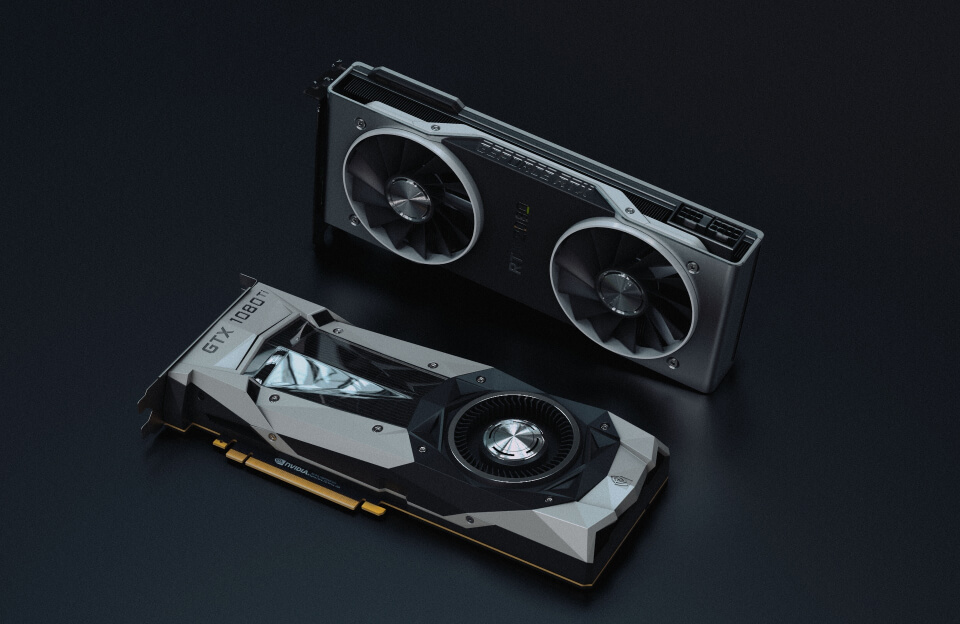
As streaming moves to 1440p and beyond, the GPU’s role expands beyond rendering content on your monitor to encoding the stream itself. Two families lead the market:
- NVIDIA RTX 4070 Ti – 12 GB GDDR6X memory, CUDA cores, and Tensor cores for AI‑based optimization. (See NVIDIA RTX 30 Series for details.)
- AMD Radeon RX 7800 XT – 12 GB GDDR6 memory, RDNA3 architecture, and XC GPU Boost 4.0 for variable refresh rates.
Streaming applications (OBS, Streamlabs) now support NVIDIA Broadcast, HDMI‑to‑USB capture, and NVENC codecs, which can dramatically reduce the CPU load. If you prefer open‑source tools like FFmpeg with VAAPI, the AMD GPU may provide a cost advantage.
Memory and Storage
Memory should suit three functions: gameplay, streaming software, and future expansions. A minimum of 32 GB DDR5 (3,200 MHz or faster) allows you to keep both the game and the OBS project loaded without swapping. For budget builds, 16 GB can suffice if you regularly close background applications.
Storage carries two layers: an NVMe SSD for OS and active games, and a larger SATA SSD or HDD for archives. A 1 TB NVMe will keep load times under four seconds, while a 2 TB SATA can act as a rolling buffer for recorded clips. Many streamers layer a PCIe Gen4 SSD (e.g., Samsung 980 Pro) with a 4 TB Seagate IronWolf.
Cooling, Power, and Build Quality
Streamers often run for hours, which means that thermal headroom is essential. Select a quality AIO cooler or a high‑flow air cooler—both can keep CPUs below 80 °C under load. For the GPU, an AIO mod or a well‑ventilated case with 120‑mm fans ensures the card stays cooler and quieter.
The power budget is usually in the 650 W‑800 W range, depending on card and CPU. Endorsements such as the DOE power standards show that a 750 W modular supply can deliver up to 80 % efficiency. Brands like Seasonic, Corsair, and EVGA offer certified 80 Plus Gold models with silent modes.
Fast Build Snapshot: “Pro Streamer” Build
Processor
Intel Core i9‑13900K – 17 $
Graphics Card
NVIDIA RTX 4070 Ti – 28 $
Memory
32 GB DDR5‑5600 (2 × 16 GB) – 14 $
Storage
1 TB Samsung 980 Pro NVMe – 13 $
2 TB Seagate Barracuda HDD – 18 $
PC Case & Cooling
NZXT H510i – 70 $
Corsair iCUE H100i RGB Pro XT 240 mm – 65 $
Power Supply
Seasonic FOCUS GX‑750, 750 W 80 Plus Gold – 90 $
Total Estimated Cost
≈ = approx. $740.
That configuration achieves ~6.5 GB/s upload speeds for 4K at 60 fps while employing NVENC encoding to free up CPU cycles for overlays and VRF. It balances a premium GPU with a top‑tier CPU for those wanting the absolute best graphics performance without breaking the bank.
Final Conclusion: Your Streaming Powerhouse Awaits
When choosing a Best PC Build for Streaming, don’t chase the latest hype only; prioritize the parts you control—CPU, GPU, RAM, and storage. The strategy outlined above offers the flexibility to grow with new titles, higher resolutions, and emerging streaming platforms. Read up on latest GPU reviews to see which card aligns with your content strategy.
Ready to level up your stream? Gather the parts, build with confidence, and start broadcasting your best content today.
Frequently Asked Questions
Q1. What should I prioritize when choosing a CPU for streaming?
When building a streaming rig, the CPU handles game decoding, encoding, and all background tasks. A processor with at least six cores and high per‑core performance is ideal. Look for models that support AVX‑2 or newer and provide hardware encoding like Intel i9‑13900K’s XMX or AMD’s 7900X3D. Balance your budget by selecting a high‑refresh XMX‑ready CPU and pair it with an NVENC‑capable GPU to offload work.
Q2. Which GPU is best suited for 1440p streams?
For 1440p streaming, GPUs that combine a solid gaming frame‑rate with robust hardware encoding are key. NVIDIA’s RTX 4070 Ti offers excellent NVENC performance and CUDA cores for high quality encoding. AMD’s Radeon RX 7800 XT delivers competitive 1440p rendering and supports VCN for hardware encoding, often at a lower price point. Choosing either reduces CPU load and maintains clean overlays.
Q3. How much RAM is necessary for a smooth streaming experience?
A minimum of 32 GB DDR5 is recommended for modern games and streaming software simultaneously. 16 GB can suffice if you close background applications, but it limits future game requirements. More RAM provides a buffer for high‑resolution recording, multiple virtual desktops, and running memory‑intensive plugins.
Q4. What storage setup gives the best balance between speed and capacity?
An NVMe SSD for your OS and active games delivers sub‑four‑second load times, while a separate SATA SSD or HDD hosts recorded clips and archives. A 1 TB NVMe paired with a 2 TB HDD works well for most creators. For heavy streamers, consider a PCIe Gen4 SSD for quick live capture and a large SATA array for backups.
Q5. How can I keep my streamer’s PC cool during long broadcasts?
Use an AIO liquid cooler or a high‑flow air cooler to sustain CPU temperatures below 80 °C under load. Ensure the case has good airflow—install at least two 120‑mm intake fans and one exhaust fan. Position the GPU away from the heat source and use a separate GPU cooler or an AIO mod if necessary. Clean dust filters regularly to maintain airflow efficiency.