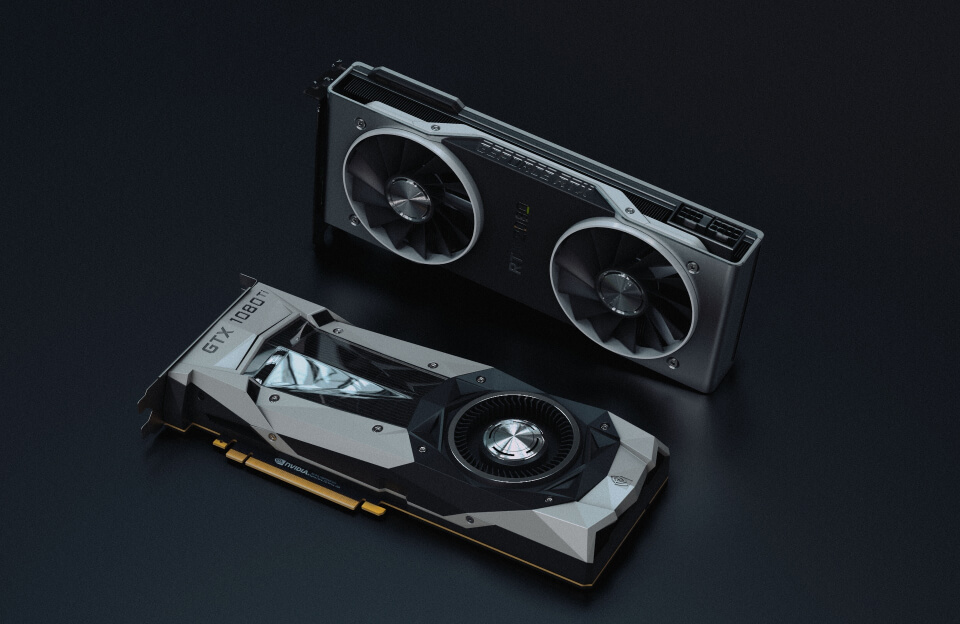
Keeping a gaming PC running at its best isn’t just about overclocking or installing the newest graphics card. One often overlooked factor that can turn a snappy system into a sluggish one is dust. When dust settles on components, it hampers airflow, raises temperatures, and can even cause hardware failures. This guide walks you through the science behind dust accumulation, the essential tools you’ll need, a step‑by‑step cleaning routine, and proactive measures to keep your rig dust‑free for longer.
Why Dust Accumulates Inside a PC
Dust doesn’t magically appear; it comes from the environment outside your computer. Small particles—skin cells, hair, fabric fibers, and even airborne toner—enter through vents and interconnect spaces. Once inside, a PC’s fans are the main culprits that mix a static environment and elevated temperatures, making dust likelier to stick to metal and plastic surfaces. The resulting build‑up acts like a thermal insulator, preventing heat from escaping efficiently. On a gaming rig where components run hotter, even a thin layer of dust can raise temperatures by 5‑10 °C.
Essential Tools for a Safe Cleaning Session
- Compressed air canister (non‑propellant) – Provides a rapid burst of cool air that dislodges particles without burning them.
- Soft brush (paint or makeup brush) – Gently sweeps loose dust from hard‑to‑reach areas.
- Screwdriver set (Phillips & hex) – Required to remove the case, internal panels, and access fans.
- Anti‑static wrist strap – Prevents electrostatic discharge that can damage sensitive components.
- Thermal paste (new or re‑applied) – If you plan to disassemble the CPU cooler, you’ll need high‑quality paste for optimal heat transfer.
Step‑by‑Step Dust Cleaning Procedure
Below is the safest and most thorough routine for cleaning a gaming PC. If you’re new to PC maintenance, consider recording each step with a camera so you can refer back and avoid misplacing any screws.
- Prepare a clean workspace – Lay down a non‑static mat or a clean cloth. Place the PC in a well‑ventilated area free from pets or strong static sources.
- Power down and unplug – Shut down the system, close the laptop lid, and unplug all cables, including the power cord. For extra safety, disconnect the battery if the unit supports it.
- Open the case – Remove screws on the back panel, slide the side panel off, and set it aside. If you’re comfortable opening the internal dust filter (often located directly in front of the power supply), do so carefully.
- Set up anti‑static wrist strap – Anchor it to a grounded metal part or use the computer’s metal frame to mitigate static.
- Blow out dust from larger components – Use compressed air to fan out dust from the CPU cooler, GPU heatsink, VRM, and power supply. Do not hold the can upright; hold it perpendicular to the component to avoid condensation.
- Brush stubborn spots – With the soft brush, gently clean heat risers, V‑RAM slots, and the edges of the motherboard. Avoid brushing in a direction that could push dust deeper between components.
- Clean fans and heat sinks – Carefully remove each fan. If you suspect heavy dust, disassemble the fan blades and use a brush or a can of air to clean the bearings. For heat sinks, a mix of compressed air and a brush usually suffices.
- Wipe fan housings and internal brackets – Use a micro‑fiber cloth lightly dampened with isopropyl alcohol (90 %+). Let the cloth dry before reassembling.
- Reapply thermal paste if needed – If the CPU cooler was removed, gently clean the old paste from both the CPU and cooler with paper towels or a lint‑free cloth. Apply a new, pea‑size drop of high‑performance paste.
- Close the case – Carefully align the side panel, secure all screws, and reconnect all cables.
- Power up and monitor temperatures – Scan the BIOS or use monitoring software to confirm that temperatures have dropped and that fans are slowing as expected. Games like World of Warcraft and Doom can give you a quick performance check.
Preventing Dust Buildup Moving Forward
Even the most meticulous cleaning routine can’t keep dust out forever. Here are a few lifestyle and hardware changes that extend the life of your cleaning efforts:
- Upgrade to a dust‑filtered PSU and case – Many modern power supplies come with pre‑mounted air filters that block dust before it reaches internal components.
- Use high‑performance fans – Some fan models (e.g., those with magnetic levitation bearings) push more airflow at quieter speeds, clearing dust more efficiently.
- Maintain a clean environment – Regularly vacuum or dust the room, especially vents and windows near the PC. For pet owners, use hair‑capture mats to reduce shedding.
- Install an HEPA air purifier – Filtration of airborne particles reduces what finds its way into your case. Sites like NIST airflow simulation highlight how HEPA filters improve indoor air quality.
- Seal or cover open psu vents – If you don’t need the extra airflow, you can replace the vent with a mesh that still allows some air flow while preventing dust.
It’s also wise to schedule periodic cleanings—ideally every three to six months depending on your environment’s dust density. Using the definition of dust in Britannica and NASA’s research on dust accumulation on spacecraft you can appreciate how critical dust control is for maintaining optimal performance.
Final Thoughts and Call to Action
Regular dust cleaning isn’t a luxury; it’s a necessity for gamers who demand consistent frame rates and longevity from their rigs. By following the steps above and implementing preventive measures, you’ll keep your system cooler, quieter, and more reliable.
Take action now: equip your setup with a quality dust filter kit, set a reminder for quarterly cleanings, and feel the difference in performance and stability. Your next gaming session deserves a system that performs at its very best.
Frequently Asked Questions
Q1. Do I need a vacuum when cleaning a gaming PC?
Using a vacuum can remove large dust piles, but the suction may pull dust deeper into narrow spaces and cause static buildup. A can of compressed air is preferred for its precise airflow and low risk of static damage. Clean with short bursts and hold the can upright to avoid moisture deposition.
Q2. How often should I clean my gaming PC?
General guidelines suggest cleaning every three to six months in typical homes, but this interval shortens in dusty or pet‑heavy environments. Monitor temperatures and fan noise; a sudden rise is a clear sign cleaning is due. Setting a quarterly reminder can keep the system running smoothly.
Q3. What safety precautions should I take before cleaning?
Ensure the PC is powered off and unplugged, then use an anti‑static wrist strap tied to a grounded metal part. Keep the working area well‑ventilated and avoid breathing in dust or solvents. Double‑check that all cables are disconnected before opening the case.
Q4. Can I use a regular air compressor instead of a can of compressed air?
A standard household air compressor can blow dust but may generate excess heat and torque, potentially damaging delicate components. The narrow, cool jets in a PC cleaning canister are specifically engineered to remove dust safely. Stick to a battery‑operated or inflatable canister for best results.
Q5. Should I reapply thermal paste every time I clean my system?
Only if you disassemble the CPU cooler or notice paste dried out. Reapplying high‑performance paste is recommended after a full cooler removal to maintain optimal heat transfer. Leaving old paste untouched usually suffices for routine dust cleaning.