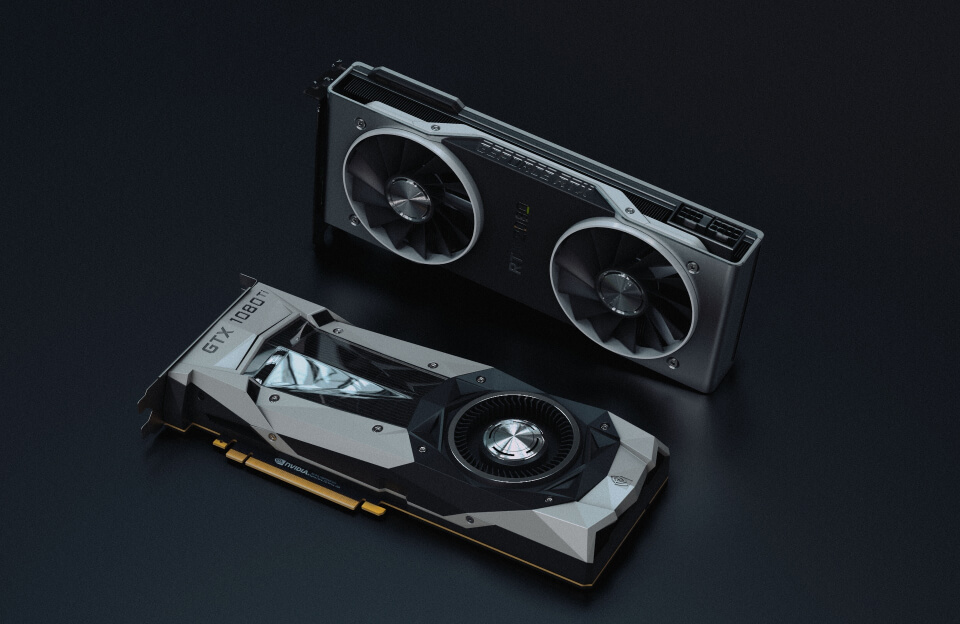
A gaming PC is a high-performance machine where every component works hard to deliver smooth visuals and responsive gameplay. Among the most critical factors that maintain optimal performance is effective cooling. A properly configured fan system not only safeguards your hardware against overheating but also keeps noise levels low, ensuring an immersive gaming experience. This guide will walk you through the essentials of selecting, installing, and maintaining gaming PC cooling fans, covering types, sizing, placement, and maintenance that every enthusiast needs to know.
Understanding Fan Basics
Fans are the frontline defenders against thermal stress in a gaming PC. They work by pushing air through the system, carrying heat away from processors, graphics cards, and power supplies. Fans vary by design, focusing on either maximum static pressure for radiators or high airflow for general case ventilation. The core specification to examine is the static pressure rating, which informs how well a fan can push air through restrictive surfaces like heatsinks or dense fan grids.
- Airflow (CFM) – Cubic feet per minute; higher values mean more air movement.
- Static Pressure (mmH₂O) – Indicates force against obstacles; crucial for radiators and tight fan mounts.
- Noise Level (dBA) – Lower dBA means quieter operation; balance is key for stealth gaming setups.
For detailed technical definitions, consult the “CPU fan” article on Wikipedia, which outlines the fundamentals of fan performance and how they relate to processor temperatures.
Selecting the Right Fan Size
Gaming ATX cases typically support fans ranging from 80 mm to 140 mm in diameter. Smaller fans move less air but can be quiet, while larger fans can offer superior airflow at lower RPMs. A good rule of thumb is to equip your case with at least two intake and one exhaust 120 mm or 140 mm fans for balanced airflow. For high-performance builds, consider a pair of 140 mm fans—often found in the NVIDIA GPU cooling market—to create a strong pressure differential.
When selecting fans, pay attention to the manufacturer’s specifications: m² airflow, pressure curve, and the noise impact at typical operating speeds. Reputable brands such as Noctua, Corsair, and Thermaltake provide detailed charts that let you match fan performance to your case’s ventilation layout.
Optimizing Placement for Efficiency
Effective fan placement transforms your case into a streamlined airflow conduit. Take these steps:
- Establish a front-to-back flow: Place intake fans at the front or bottom of the case to draw cool air in.
- Position exhaust fans at the rear or top: Ensure hot air is expelled efficiently, especially from the GPU.
- Separate radiator airflow: If using a liquid cooler, place the radiator with an intake-facing or exhaust-facing fan based on your airflow strategy. Front designs typically enhance CPU core cooling, while top or rear designs are optimal for GPU-based radiators.
- Maintain fan direction consistency: Use the PC cooling standard arrows on fan handles or labels to avoid reversed airflow.
After installing the fans, use tools like Cooler Master’s Thermaltake software or third-party utilities (HWMonitor, MSI Afterburner) to monitor airflow gaps and temperatures.
Maintenance Tips for Longevity
Fans degrade over time due to dust accumulation, motor wear, and thermal aging. Follow these routine maintenance tasks:
- Annual cleaning: Remove dust filters and dust-off fans with a can of compressed air. Avoid blowing directly onto the components.
- Check fan bearings: Listen for grinding noises, which may indicate a failing bearing.
- Replace aging fans: Replace any fan that shows significant noise or performance drop after 18–24 months.
- Secure fan screws: Tighten mounting screws gently; loose fans can create vibration.
Proper maintenance extends fan life, ensuring your gaming rig stays cool and silent for years. For guidance on cleaning case dust, the National Institute of Standards and Technology publishes best practices for electronics maintenance that can be adapted to PC builds.
Step-By-Step Fan Installation Checklist
- 1. Power off and unplug the PC.
- 2. Remove the case side panel.
- 3. Place the fan on the chosen mount, aligning the exhaust arrow to the desired direction.
- 4. Secure the fan with screws, ensuring no wobble.
- 5. Connect the fan header to the motherboard or fan controller.
- 6. Reassemble the panel and power on.
Conclusion and Call to Action
In summary, a strategic approach to fan selection, sizing, placement, and upkeep unlocks consistent performance and prolongs component life. By instituting a balanced front‑to‑back airflow, choosing high‑static‑pressure fans for radiators, and maintaining clean air channels, you empower your gaming PC to thrive under heavy loads.