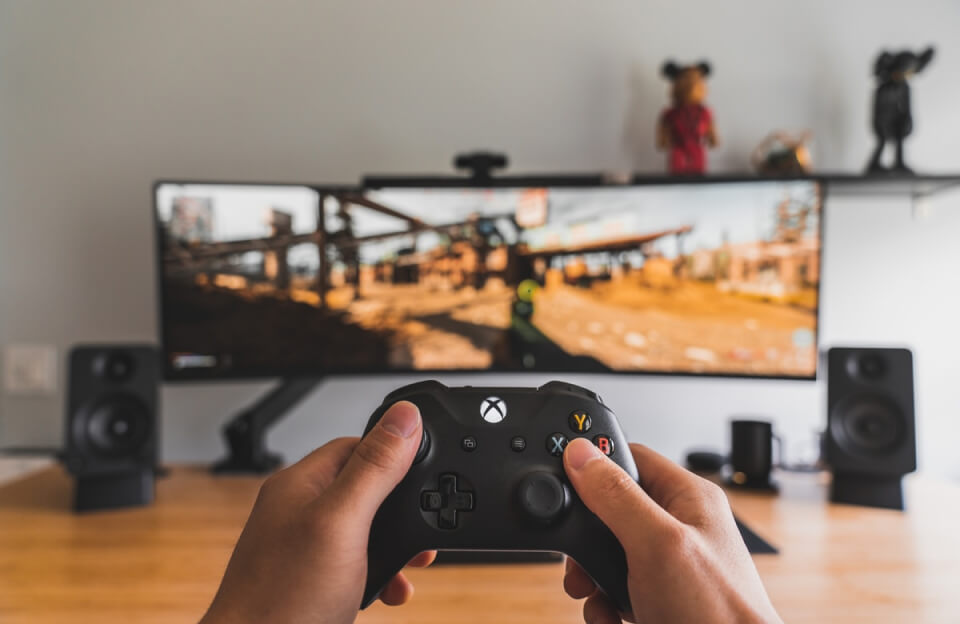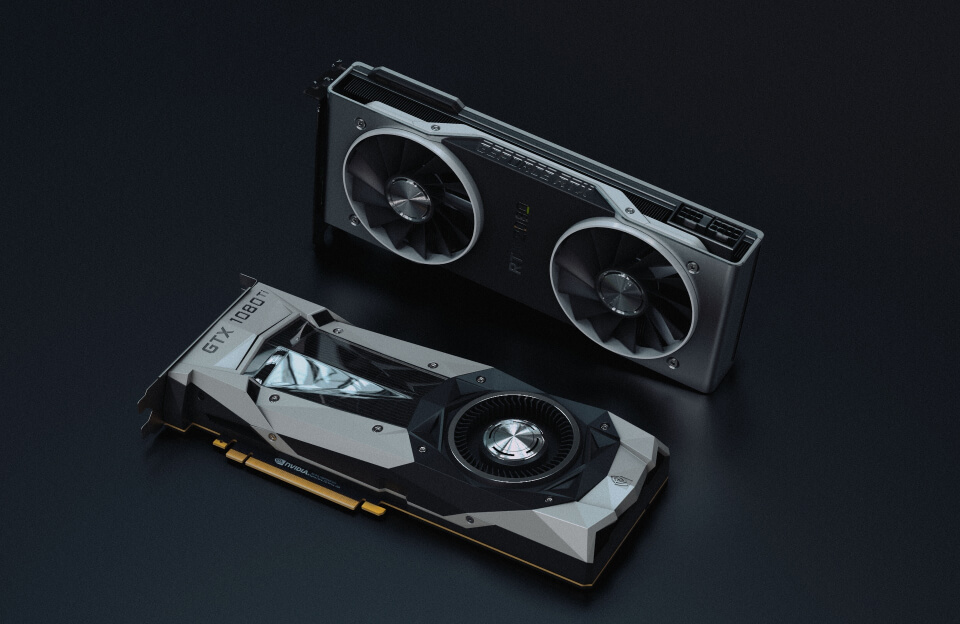
Gaming PCs around the globe can suffer from stuttering—a jolting, frame‑dropping experience that dampens immersion. Common culprits range from outdated drivers and thermal throttling to erratic power delivery and slow storage. Yet, diagnosing and resolving stutter can be approached systematically. By tracking hardware metrics, updating firmware, and fine‑tuning software settings, you can restore silky‑smooth gameplay. Below is a comprehensive guide engineered to diagnose stutters at every layer—from the GPU to the PSU—ensuring every mechanic feels deliberate and fluid.
Identify Performance Bottlenecks
Before you flip switches or install drivers, gather baseline data. Use built‑in Windows tools or third‑party utilities to record PS/2 output, memory usage, and thermal readouts:
- Task Manager—Press
Ctrl+Shift+Esc, hover overPerformanceto see CPU and GPU usage spikes. - MSI Afterburner—Tracks GPU temperature, clock speeds, and power draws.
- HWMonitor (or HWMonitor)—provides real‑time voltage and temperature readouts.
- Use Event Viewer to spot critical errors like driver crashes.
These metrics highlight whether the issue originates in graphics, memory, storage, or power delivery. A CPU pegged over 80% while frames drop frequently signals a needing a bottleneck in the CPU/GPU balance. Conversely, 60 °F GPU temperature with consistent frame rates is a green flag; stutters likely stem from software limits.
Update Graphics Drivers and DirectX
A stale or corrupted driver can silently throttle GPU performance. NVIDIA, AMD, and Intel continually release graphics driver updates to unlock new game optimizations and bug fixes. To ensure you’re on the latest build:
- Navigate to the manufacturer’s driver portal (NVIDIA Driver Downloads, AMD Drivers). Install the corresponding *Studio* or *Game Ready* driver.
- Verify your DirectX version by pressing
Win+R, typingdxdiag, and checking the DirectX Level in the System tab. - Enable the *Auto-Update* feature within Windows Update to receive critical patches for graphics stacks.
Be mindful that sometimes a freshly patched driver can introduce stutter due to regression. If you experience instability after installation, rollback to a previous version using Device Manager.
Optimize In-Game Settings and V‑Sync
Stuttering can stem from frame‑rate ceiling mismatches. Modern GPUs support GPU‑side V‑Sync and adaptive sync technologies. To harmonize your frame pipeline:
- Set the game’s display mode to Maximum Performance or Sync to GPU in the graphics settings menu.
- Turn off V‑Sync when using FreeSync or G‑Sync monitors.
- If you must use V‑Sync, enable Fast‑Sync (NVIDIA) or Adaptive‑Sync (AMD) instead of standard vertical sync to reduce input lag.
- In titles like Cyberpunk 2077 and Red Dead Redemption 2, limiting the frame cap to 144 fps (match monitor) or 60 fps (prevent GPU overheating) can smooth gameplay.
In addition, consider lowering high‑impact settings: shadows, ray‑tracing, and post‑processing may be culprits. Toggle Quality Preset rather than tweak each graphic individually for a quick sanity check.
Check Hardware Health (RAM, SSD, PSU, Thermal)
Missing or failing hardware can manifest as intermittent stutter:
- RAM Upgrade—Using fewer sticks or older 2133 MHz DDR4 can throttle loading times. Verify RAM capacity and speed meet game recommendations.
- SSD Performance—A worn SSD can read data slowly when loading assets. Run CrystalDiskInfo or Windows’ Performance Monitor to see queue depths. A mixed SATA HDD/SSD warrants upgrading to NVMe for throughput.
- Power Supply Unit (PSU) speculation—50–60 % load draws can cause voltage dips. The Dell PSU testing guide mentions measuring
V‑Busspikes with an oscilloscope. If you notice12 Vsagging under load, consider a higher‑mW PSU. - Thermal throttling—Check GPU temps with
MSI AfterburnerorGPU-Z. Persistent temperatures >85 °C trigger throttling. Upgrade fans, re‑apply thermal paste, or clean dust from heatsinks.
Replacing an old PSU with a 650–750 W unit ensures adequate headroom for modern GPUs like the RTX 3080 or the AMD Radeon RX 6800 XT.
Use Diagnostic Tools and Overclocking Tips
Once baseline data confirms healthy metrics, you can push for lag‑free performance:
- Run 3DMark Time Spy or Unigine Heaven to benchmark GPU and compare against manufacturer specifications.
- If you’re comfortable, try GPU‑overclocking slightly below the data‑sheet limits. Remember: Safe overclocks typically stay below 1.2× the base clock for most GPUs.
- Enable Windows Performance Troubleshooter to catch hidden memory leaks or driver conflicts.
Ensure you back‑off if frame rates fluctuate or temperatures bleed into the 90 °C area. Consistency trumps raw numbers.
Common Stuttering Fixes – A Quick Checklist
- Update graphics drivers & DirectX.
- Turn off V‑Sync on adaptive‑sync displays.
- Lower demanding graphics features in game settings.
- Verify SSD health and consider NVMe migration.
- Check PSU voltage under load.
- Reapply thermal paste to GPU and CPU.
Conclusion and Call to Action
Persistent stuttering ends when you systematically address each possible choke point—from driver layers to power rails. By logging performance, keeping drivers fresh, tempering in‑game demands, and ensuring your hardware runs within safe thermal limits, you transform jitter into fluid.