Building a powerful machine that can keep pace with the rapid reflexes and demanding graphics of Valorant can transform your competitive experience. A well‑engineered Valorant Competitive Gaming PC Setup balances CPU power, GPU prowess, high‑refresh‑rate displays, and low‑latency peripherals to shave milliseconds off your response time. Whether you’re a casual LAN player or an aspiring e‑sports professional, the following guide walks you through core components, display choices, system tweaks, and budgeting considerations to help you craft a setup that feels as fast as it looks.
Valorant Competitive Gaming PC Setup: Core Components
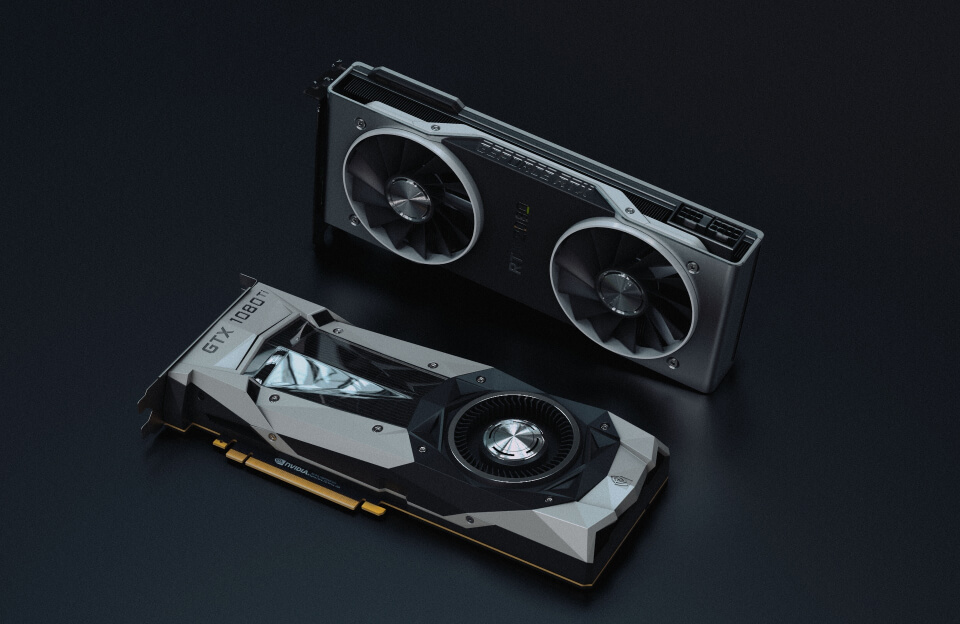
The heart of a high‑performance PC lies in its CPU, GPU, memory, and storage. For Valorant, a 4‑core, 8‑thread processor such as the CPU will deliver smooth frame rates, but for the best experience a 12‑core, 24‑thread model will future‑proof the rig. Pair that with an NVIDIA GeForce RTX 30‑series or AMD Radeon RX 6000‑series GPU to guarantee 144‑Hz output on 1080p or 1440p displays. Aim for 16 GB of high‑speed DDR4 RAM—preferably 3200 MHz or faster—to keep data lanes clear during intense FPS bursts. Solid‑state drives (SSD) provide launch times that are seconds, not minutes; install the OS and key titles on an NVMe SSD with at least 1 TB of storage to accommodate frequent updates.
Choosing a motherboard that supports PCIe 4.0, ample I/O, and power‑delivery sections for VRM ensures stability under load. A dual‑port USB 3.2 controller, dedicated LAN, and high‑quality audio chip will handle in‑game communications without jitter. Combine these core components with a reliable 650–750 W PSU—preferably 80+ Gold certified—and a mid‑tower case that allows airflow and cable management. These build blocks create a baseline from which every other optimization step emerges.
Valorant Competitive Gaming PC Setup: Display & Input Peripherals
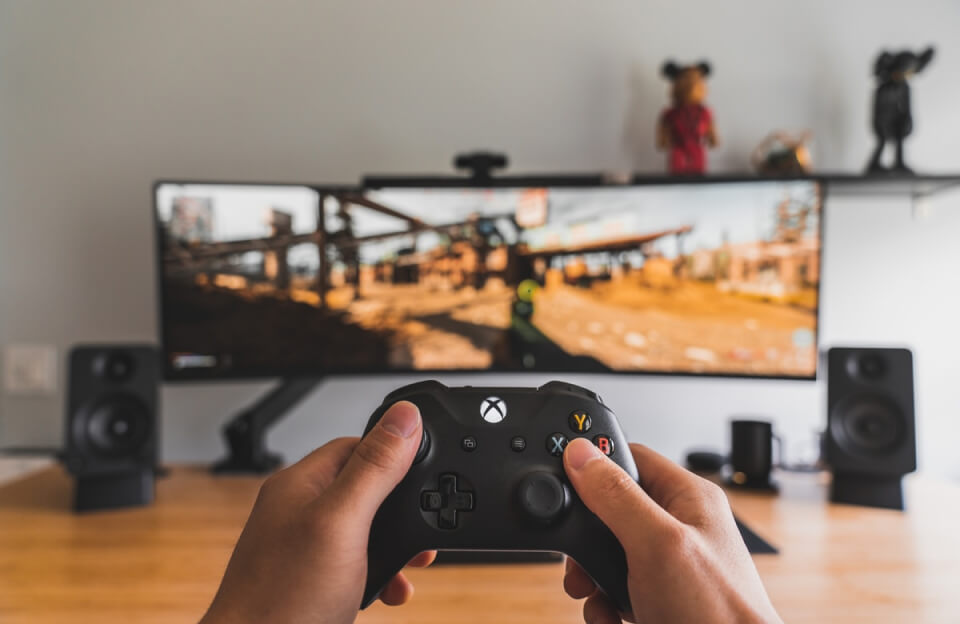
The competition in Valorant hinges on perceptive microseconds. Therefore, a display with 144 Hz refresh and High Refresh Rate capability reduces ghosting and motion blur. Monitors that support variable refresh rate (VRR) via G-Sync or FreeSync effectively eliminate screen tearing while preserving low input lag. For a 24‑to‑27‑inch screen, seek a 1080p panel with sub‑5 ms response time and an adaptive sync tech—this range strikes a balance between clarity and speed.
Peripherals are equally critical: a mechanical gaming keyboard with a low‑latency optical switch (e.g., Cherry MX Red or Gateron Silent Red) and a 300 mm DPI gaming mouse with a 7200 DPI sensor will provide precise targeting. Pair these with a headset that supports positional audio; a microphone with a 9k‑10k Hz range improves voice clarity in team coordination. An optional webcam can assist in streaming or stream watches for coaching analysis. Ensure all devices are connected via USB 3.0 or wired rather than Bluetooth to avoid latency spikes.
Valorant Competitive Gaming PC Setup: Optimizing System Performance
After hardware assembly, fine‑tune the system to squeeze every frame. Update GPU drivers immediately—NVIDIA GeForce releases patches that specifically improve game performance. Disable Windows visual effects: open System, Advanced, Settings, and set Performance to High. Boot into safe mode and purge unused startup items to keep memory clean. Within Valorant, enable the “background execution” toggle, activate the “low latency” setting, and set the resolution to a value that aligns with your display’s native level.
Advanced users may assess an optional CPU overclock. If the motherboard’s BIOS supports it, modest overclocks (e.g., 5–10 %) can translate into higher FPS without destabilizing the system—especially if coupled with a good cooling solution like a 120‑mm dual‑fans or a small AIO liquid cooler. Constant monitoring of temperatures via hardware monitoring tools ensures you stay within safe operating ranges. Finally, keep background processes such as cloud sync, torrents, or software updaters paused during competitive sessions to maintain a consistent frame time curve.
Valorant Competitive Gaming PC Setup: Budgeting & Future‑Proofing
Strategizing a build within a chosen price bracket involves prioritizing the most impactful upgrades. A mid‑range setup might include an AMD Ryzen 5 5600X (~$200), a RTX 3060 (~$350), 16 GB of 3200 MHz RAM (~$80), a 1 TB NVMe SSD (~$90), and a 650 W Power Supply (~$70)—totaling around $790. This configuration comfortably hits 144 Hz on 1080p and can be upgraded later with a higher tier GPU or a better monitor. If the budget allows, investing in a higher refresh rate or a multi‑core CPU yields greater long‑term performance benefits, especially as Valorant continues to receive updates that shift system demands.
Future‑proofing isn’t just about buying the best right now; it’s also about choosing removable or upgradable parts. For example, a motherboard with at least one PCIe 4.0 slot ensures you can swap in a future high‑end GPU. Opt for a 2‑TOE or 3‑TOE SATA controller for additional SSD ports, as memory can outgrow slot numbers. HVAC considerations—like a case with 3‑inch and 5‑inch fans—enable you to maintain cool temperatures without frequent fan replacements. Finally, select a build that matches your usage patterns: a high‑refresh monitor may be overkill for casual play, while a powerful GPU may be wasted if you rarely push beyond 1080p.