PC Build for Apex Legends is more than just a headline – it’s a roadmap for gamers who want to dominate the battle royale arena with the sharpest specs and smoothest gameplay. If you’re looking to catalog your gear, this step‑by‑step guide prioritizes every processor, memory module, and GPU that will keep you ahead of the competition. We’ll cover budget‑friendly choices, high‑end components, cooling systems, and power requirements to build your next gaming station that runs Apex at 144 Hz on ultra settings. Follow along and you’ll soon have a rig that feels almost like a new computer each time you ignite the launch menu.
Define Your Budget
Every PC build starts with a crystal‑clear budget. Apex Legends is a demanding title, especially if you want to push 144 Hz at 1080p or even 1440p on maximum settings. For budget‑conscious players, a build around $900–$1,200 can comfortably handle 60 Hz at high settings or 75 Hz with a modest GPU. For those aiming for 144 Hz, a $1,500–$1,800 range ensures you have the power to stay competitive in the higher framerate category. High‑end enthusiasts can dial up the budget to $2,200+. Remember to include the cost of a high‑refresh‑rate monitor, steering wheel, and a good headset if those add to your experience.
Core Components Selection
Choosing the right core components is where your budget translates into performance. Below is a balanced layout that prioritizes CPU for Apex Legends and graphics card for Apex while keeping the overall system stable and future‑proof.
- CPU: AMD Ryzen 5 5600X or Intel Core i5‑12600K – both deliver excellent 6‑core performance for Apex and are comfortably within mid‑range budgets.
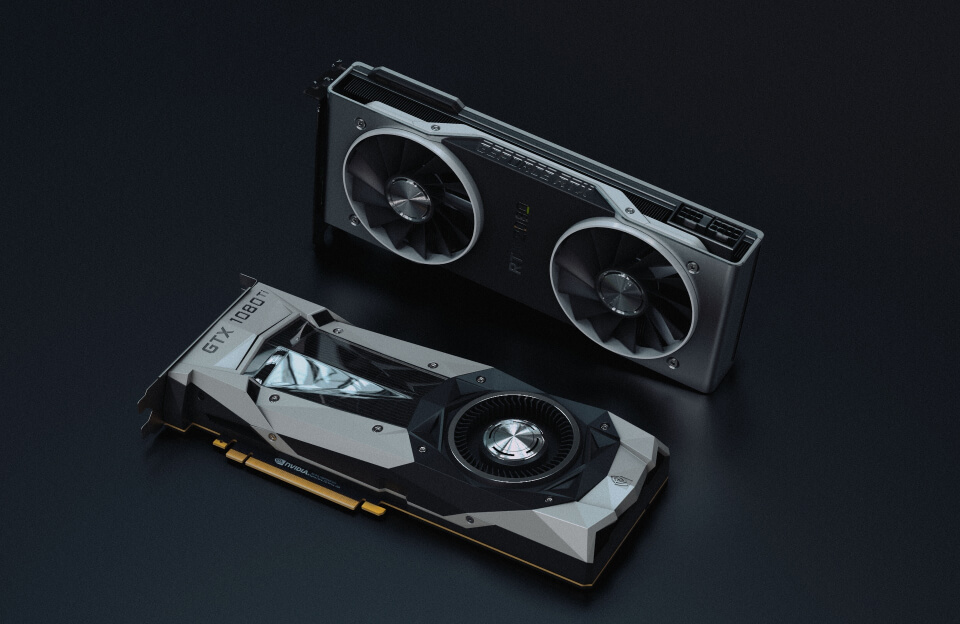
- GPU: For 144 Hz at 1080p, choose NVIDIA GeForce RTX 3080. If you aim for 1440p, consider RTX 3070 Ti or AMD Radeon RX 6800 XT; they hit similar frame rates while saving cost.
- RAM: 16 GB DDR4/DDR5 3200 MHz or higher. Apex benefits from 16 GB, freeing the budget for a better GPU.
- Motherboard: B550 (for AMD) or Z690 (for Intel). Ensure it supports PCIe 4.0 to future‑proof your GPU performance.
- Storage: NVMe SSD 1 TB or higher for faster load times and reduced queue stalls.
- Power Supply: 650 W Gold-rated with modular cables. It gives clean power to the GPU and leaves room for upgrades.
When fine‑tuning the build, consider your budget PC build strategy: prioritize the GPU first, then CPU, RAM, and storage. Apex runs best on higher clock speeds, so invest accordingly.
Cooling and Power Supply
A well‑cooled system is essential for sustained high performance. After selecting a CPU, choose between a reliable air cooler (e.g., Noctua NH-U12S) or an aftermarket AIO liquid cooler if you also plan to overclock. Ensure the case has good airflow: view the 80 mm or 120 mm fan configuration and confirm proper intake/exhaust placement.
The power supply unit (PSU) should be under 10% of its rated output to avoid overheating. Modern GPUs have variable TDP, so a 5 % headroom buffer is advisable. A 650 W or 750 W PSU, depending on GPU choice, will reliably support the system under load. Also, modular cabling improves case airflow and simplifies cable management.
Storage and Networking
Speedy storage reduces in‑game loading and queueing. An NVMe SSD with at least 3 Gb/s read/write speeds pulls the game from disk at lines. Buy out the full capacity of the SSD that is supported by your motherboard (so you can fully utilize all lanes). SATA SSDs are slower but can be used as secondary drives for media.
Networking is less critical for Apex, but a wired Ethernet link improves latency versus Wi‑Fi. Use a Gigabit network sticker or an 802.11ac Wi‑Fi 6 adapter if you’re residential in a low‑latency zone. Pro tip: if your PC is in a living area, consider a mesh Wi‑Fi system for better coverage.
Assembly Tips and Troubleshooting
Building a PC is a process that benefits from a clean workspace and a systematic approach. Before you begin, gather your tools: a Phillips screwdriver, anti‑static wristband, and the manual for each component. Keep a log of the installation sequence to avoid losing small screws or cables.
During assembly, double‑check the standoff alignment for motherboards and the motherboard’s placement seats. Verify that the GPU is seated firmly in the PCIe PCI‑x16 slot and the screws lock it tightly. When connecting the PSU cables, ensure that all connectors (24‑pin ATX, 8‑pin EPS, PCIe 8‑pin) are firmly inserted.
Once assembled, run a stress test: use tools like 3DMark Fire Strike or Unigine Heaven and monitor temperatures. If the CPU climbs above 70 °C under load, consider re‑applying thermal paste or upgrading the cooler. GPU temperatures should stay below 80 °C for safe operation.
Getting the Final Perks
With the rig complete, launch Apex Legends, navigate to Base Settings, and enable HDR and Ray Tracing if your GPU supports it. Set the game to “High” for textures, “Ultra” for shadows, and toggle the frame limiter to achieve a smooth 144 Hz experience. Adjust the monitor’s Refresh Rate to match the game’s cap.
After a test playthrough, tweak the in‑game settings if you notice any stutter. If you’re using GPU overclocking, monitor temps closely to avoid thermal throttling. For the best performance, keep your drivers updated using Apex Legends Wikipedia so you’re running the latest patches that improve FPS handling and latency.
Ready to dominate Apex Legends? Build your PC today and experience the new standard of competitive gaming. Share this guide with friends, comment below with your own build tweaks, and let us know how your rig performs!
Frequently Asked Questions
Q1. What is the best GPU for running Apex Legends at 144Hz 1080p?
The NVIDIA RTX 3070 or RTX 3080 can deliver consistent 144fps at 1080p with ultra settings. For those on a tighter budget, the RTX 3060 Ti is still a solid choice. The GPU should support DLSS to help maintain high frame rates when ray tracing is enabled.
Q2. How much RAM is recommended for Apex Legends?
16 GB DDR4/DDR5 is the sweet spot. It sufficiently buffers game assets while leaving room for background applications. Going beyond 16 GB offers diminishing returns for this title.
Q3. Is an NVMe SSD essential for Apex Legends?
An NVMe SSD dramatically reduces load times and in‑game asset streaming. While a SATA SSD works fine, the faster I/O helps prevent occasional hiccups during hot‑spots. It is especially beneficial on higher resolutions.
Q4. What monitor resolution should I choose for ultimate performance?
1080p with a 144Hz panel gives the best balance of speed and cost. If you can afford 1440p, a 165 Hz panel will deliver a smoother experience, but the GPU requirement jumps significantly. Try to match the refresh rate cap in the game to the monitor.
Q5. Do I need a high‑refresh‑rate monitor or can a 60Hz monitor suffice?
60Hz monitors will show the game but you will miss out on the competitive advantage of higher frame rates. A 120–144Hz monitor is recommended for most competitive players. Only 60Hz is acceptable if you’re on a very tight budget and aren’t in the high‑end league.