Looking to boost your gaming performance without breaking the bank? A Gaming PC Upgrade Under Budget is entirely possible when you focus on cost‑effective components, strategic swaps, and smart purchasing strategies. In this guide we’ll break down the essential upgrades, highlight where to save, and provide a step‑by‑step roadmap that keeps your wallet happy while delivering noticeable FPS gains. Whether you’re battling in Fortnite or exploring vast open‑world RPGs, the right upgrades can transform a sluggish rig into a capable contender.
Identify the Bottleneck: Where to Spend First
The most impactful upgrade often hinges on the weakest link in your system. Use free benchmarking tools like PassMark Performance Test to pinpoint whether your CPU, GPU, or memory is holding you back. For most budget gamers, the graphics card is the primary choke point, but a severely outdated processor can also throttle frame rates, especially in CPU‑intensive titles like Microsoft Flight Simulator. By understanding the bottleneck, you can prioritize upgrades that deliver the highest return on investment.
Cost‑Effective GPU Choices for a Budget Build
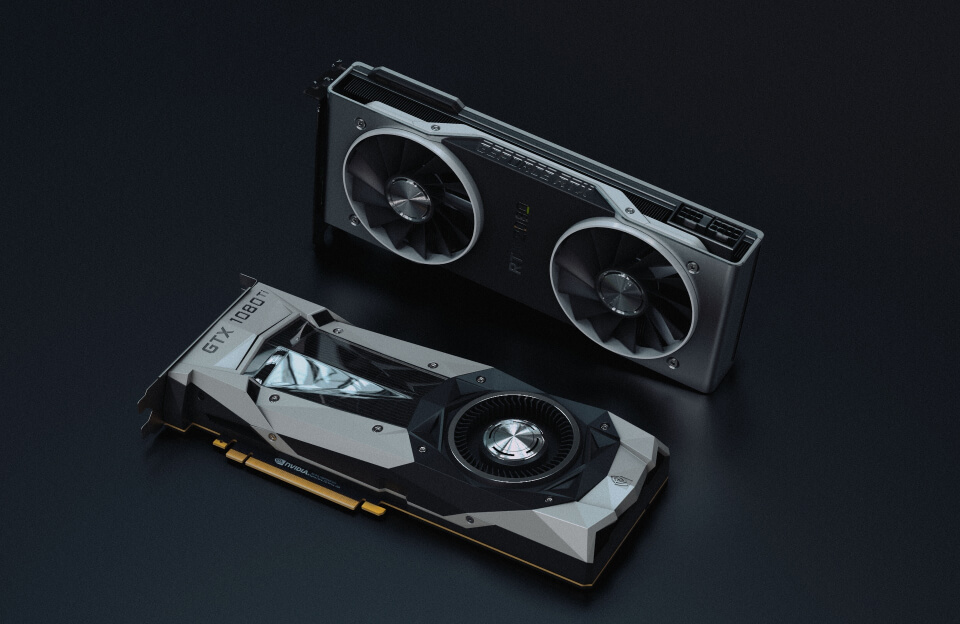
Graphics cards dominate performance, yet you don’t need a flagship model to enjoy 1080p gaming. Look for previous‑generation GPUs that still pack punch, such as the NVIDIA GeForce RTX 3060 Ti or AMD Radeon RX 6600 XT. These cards often drop in price after newer releases, offering a sweet spot between price and performance. Purchasing from reputable refurbishers or certified used markets can shave another 15‑20% off the sticker price. Be sure to verify warranty coverage and check compatibility with your power supply unit (PSU). According to NIST, reliable power delivery is crucial for maintaining GPU stability under load.
CPU Upgrades That Won’t Empty Your Savings
If your processor is more than a generation behind, a modest upgrade can unleash hidden potential. For Intel users, the 12th‑gen Core i5‑12400 provides excellent multi‑core performance at a fraction of the cost of higher‑end models. AMD enthusiasts might consider the Ryzen 5 5600, which still competes well in modern titles. Pairing a new CPU with an appropriate motherboard—often a B660 for Intel or B550 for AMD—ensures you get the most out of the upgrade without overspending on premium chipsets. Don’t forget to update the BIOS; manufacturers like Intel provide detailed guides for free.
Memory and Storage: Small Tweaks, Big Gains
While not as headline‑grabbing as a GPU swap, increasing RAM to 16 GB and moving to an NVMe SSD can significantly reduce loading times and improve overall system responsiveness. Dual‑channel 3200 MHz DDR4 kits are inexpensive and widely compatible. If you’re still on a mechanical hard drive, a 500 GB NVMe SSD—available from brands like Western Digital or Samsung—can be found for under $50. This upgrade alone can shave seconds off level load screens, creating a smoother gaming experience.
Smart Shopping Strategies for a Budget Upgrade
Finding the best deals requires timing and vigilance. Follow these tactics:
- Set price alerts on platforms like PCWorld or CamelCamelCamel to be notified when a component drops below your target price.
- Consider seasonal sales—Black Friday, Cyber Monday, and back‑to‑school promotions often feature deep discounts on GPUs and CPUs.
- Explore reputable second‑hand marketplaces such as eBay’s “Certified Refurbished” section, ensuring the seller offers a return policy.
- Check local electronics recycling programs; some municipalities partner with manufacturers to provide discounted or free refurbished parts. The EPA offers guidance on responsible e‑waste handling.
By combining these tips with the component recommendations above, you can assemble a powerful gaming rig for under $800, keeping the upgrade truly budget‑friendly.
Balancing Performance and Future‑Proofing
A savvy upgrade doesn’t just address today’s needs; it also anticipates tomorrow’s titles. Opt for a GPU that supports ray tracing and DLSS (or AMD’s FidelityFX) to stay compatible with upcoming visual enhancements. Likewise, choose a motherboard with extra PCIe lanes and M.2 slots, providing room for future SSD expansions or newer GPUs without a full system rebuild. Investing a modest amount now in a more versatile platform can save you from costly overhauls down the line.
Final Thoughts: Upgrade Now and Game Smarter
Achieving a Gaming PC Upgrade Under Budget is less about compromising performance and more about making informed, strategic decisions. Focus on the component that offers the greatest performance boost per dollar, hunt for deals, and ensure compatibility across the board. Remember that a well‑balanced system—solid GPU, decent CPU, ample RAM, and fast storage—delivers the most consistent gaming experience.
Ready to supercharge your gaming without overspending? Start planning your upgrade today, compare prices, and join the community of budget‑savvy gamers who refuse to let cost limit their playtime. Click the button below to access our exclusive discount codes and step‑by‑step checklist.
Frequently Asked Questions
Q1. How do I know which component is the bottleneck?
Use free benchmarking tools such as PassMark or MSI Afterburner to test CPU, GPU, and RAM performance while gaming. The lowest scoring area usually indicates the bottleneck, guiding you to the most effective upgrade.
Q2. Can I buy a used GPU and still get a warranty?
Many reputable refurbishers and certified sellers on eBay or Amazon offer limited warranties (often 90‑180 days) on used GPUs. Check the seller’s return policy and whether the manufacturer’s warranty can be transferred.
Q3. Is 16 GB RAM enough for modern games?
Yes, 16 GB of DDR4 at 3200 MHz is considered the sweet spot for 1080p and 1440p gaming today. It prevents stuttering in most titles and leaves headroom for background applications.
Q4. Do I need a new power supply for a budget GPU upgrade?
Check the GPU’s recommended wattage and the connectors it requires. A quality 550‑W PSU from a known brand is sufficient for most mid‑range cards like the RTX 3060 Ti or RX 6600 XT.
Q5. How can I find the best price for components?
Set price alerts on sites like PCPartPicker, use CamelCamelCamel for Amazon price history, and watch seasonal sales (Black Friday, Cyber Monday). Local classifieds and certified refurbishers can also yield deep discounts.