Achieving the best possible experience from your rig starts with a systematic approach to Gaming PC Performance Tuning. Whether you are chasing higher frame rates, lower latency, or smoother gameplay during marathon sessions, the right combination of hardware tweaks and software optimization can make a noticeable difference. In this guide we’ll explore proven techniques ranging from CPU overclocking and memory timing adjustments to GPU boost management and advanced cooling solutions. You’ll also discover reliable monitoring tools that keep temperatures in check while you push your components to their limits. By following these steps, even a mid‑range system can rival higher‑priced setups, delivering the competitive edge every gamer craves.
Understanding the Foundations of Gaming PC Performance Tuning
Before you begin fine‑tuning, it’s essential to grasp how each subsystem contributes to overall performance. The CPU processes game logic, physics, and AI, while the GPU renders graphics, and the system memory stores temporary data. Bottlenecks occur when one component cannot keep up with the others, leading to frame drops or stuttering. Identifying the weakest link involves monitoring metrics such as CPU utilization, GPU load, and memory bandwidth. Resources like the computer performance analysis article provide a solid theoretical background, while real‑world tools such as MSI Afterburner or HWInfo give you live data to act on.
CPU and Memory Optimization for Gaming PC Performance Tuning
Modern games benefit greatly from high clock speeds and low latency memory. Start by ensuring your BIOS is set to the latest stable version, then enable XMP (Extreme Memory Profile) to run your RAM at its advertised speed. If you’re comfortable with it, modest CPU overclocking—raising the multiplier while keeping temperatures under 85°C—can yield a 5‑10% boost in frame rates. Pair this with a slight tightening of memory timings to reduce latency. Remember to run stress tests like Prime95 and MemTest86 after each adjustment to verify stability. For deeper insight into memory performance, consult the RAM Wikipedia page. Keep an eye on the CPU temperature to avoid throttling, which would negate any gains.
GPU Overclocking for Gaming PC Performance Tuning
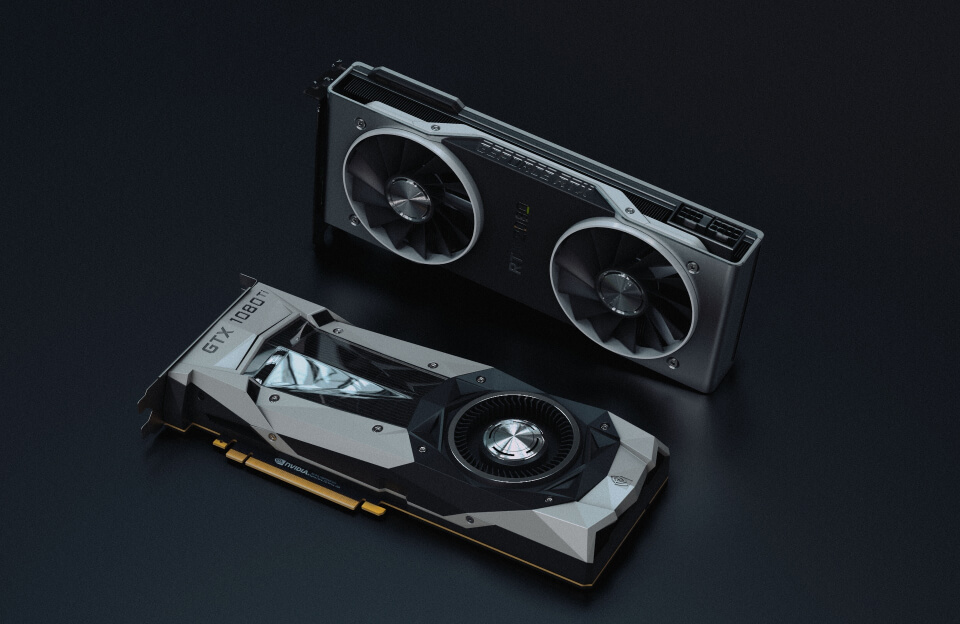
The graphics card is the heart of any gaming rig. By increasing the core clock and memory clock modestly—typically +5‑10%—you can push higher frame rates without significant power cost. Use a reliable utility like NVIDIA GPU optimization tools or AMD’s Radeon Software to adjust frequencies and monitor power draw. Enable the “Maximum Performance” power profile, and disable any unnecessary background processes that may interfere. Always perform a benchmark run (e.g., 3DMark Time Spy) after each tweak to verify that the performance gain outweighs any extra heat generated. If temperatures approach 85°C, consider improving case airflow or upgrading the GPU’s cooler.
Advanced Cooling and Power Management for Gaming PC Performance Tuning
Effective thermal management is crucial when you push components beyond stock specifications. High‑quality thermal paste, such as those based on ceramic or metal‑oxide formulations, can improve heat transfer by 10‑15%. Install additional case fans in a front‑to‑back configuration to create a positive pressure environment, which also reduces dust accumulation. For enthusiasts, an all‑in‑one (AIO) liquid cooler or custom water loop offers superior thermal performance. Stay informed about industry‑standard thermal design by reviewing the thermal management research page from UC Davis. Power supply units (PSUs) should have enough headroom—at least 20% above your system’s peak draw—to prevent voltage sag, which can cause instability during overclocking.
Software Settings and Monitoring Tools for Gaming PC Performance Tuning
Beyond hardware, fine‑tuning software settings can unlock hidden performance. Adjust in‑game graphics options such as texture quality, shadow resolution, and anti‑aliasing to balance visual fidelity with frame rate. Enable NVIDIA DLSS or AMD FidelityFX Super Resolution to achieve higher FPS at comparable image quality. Use Windows Game Mode and disable background telemetry services that may consume CPU cycles. To keep everything under control, employ a monitoring suite comprised of HWInfo, MSI Afterburner, and the built‑in Windows Resource Monitor. Create a concise checklist to ensure you’ve covered all bases before gaming sessions:
- Update BIOS and GPU drivers.
- Enable XMP and set CPU multiplier.
- Apply modest GPU core and memory overclocks.
- Verify temperatures stay below manufacturer limits.
- Run stability tests after each change.
- Adjust in‑game settings for optimal balance.
Conclusion
Ready to transform your rig into a high‑performance gaming machine? By following this comprehensive Gaming PC Performance Tuning guide, you’ll gain measurable frame‑rate boosts, reduced latency, and a more stable experience across all titles. Keep monitoring, stay within safe temperature thresholds, and revisit your settings whenever you install new hardware or games. Learn more about overclocking and keep your knowledge up‑to‑date. Start tweaking today and feel the difference in every battle—your competition won’t know what hit them!
Frequently Asked Questions
Q1. How do I safely overclock my CPU for gaming?
Start by updating your BIOS to the latest stable version, then increase the CPU multiplier in small increments while monitoring temperatures. Keep the core voltage as low as possible and ensure the CPU stays below the manufacturer’s thermal limit (usually 85 °C). After each step run a stress test such as Prime95 or AIDA64 to verify stability before moving further.
Q2. What is XMP and should I enable it?
XMP (Extreme Memory Profile) is an Intel‑standard profile that configures your RAM to run at its rated speed, timings, and voltage. Enabling XMP in the BIOS often provides a noticeable performance boost without any manual tweaking. Just verify stability with a memory benchmark like MemTest86 after activation.
Q3. How much GPU overclock is safe for most cards?
Most modern GPUs can handle a 5‑10 % increase in core and memory clocks without additional cooling. Use tools like MSI Afterburner to raise clocks in small steps, testing with a benchmark after each change. Stop when temperatures approach 85 °C or you notice driver crashes.
Q4. Do I need an AIO liquid cooler for a high‑end build?
An AIO liquid cooler can lower CPU temperatures by 5‑10 °C compared to a quality air cooler, which helps sustain higher boost clocks. However, a good air cooler is often sufficient if you stay within moderate overclock ranges. Consider your case airflow and budget before deciding.
Q5. Which software settings most improve FPS?
Lowering shadow quality, turning off unnecessary post‑processing effects, and enabling DLSS (NVIDIA) or FidelityFX Super Resolution (AMD) give the biggest FPS gains. Also, activate Windows Game Mode and close background apps that consume CPU cycles. Adjust settings per game; some titles benefit more from texture reductions while others from reduced anti‑aliasing.