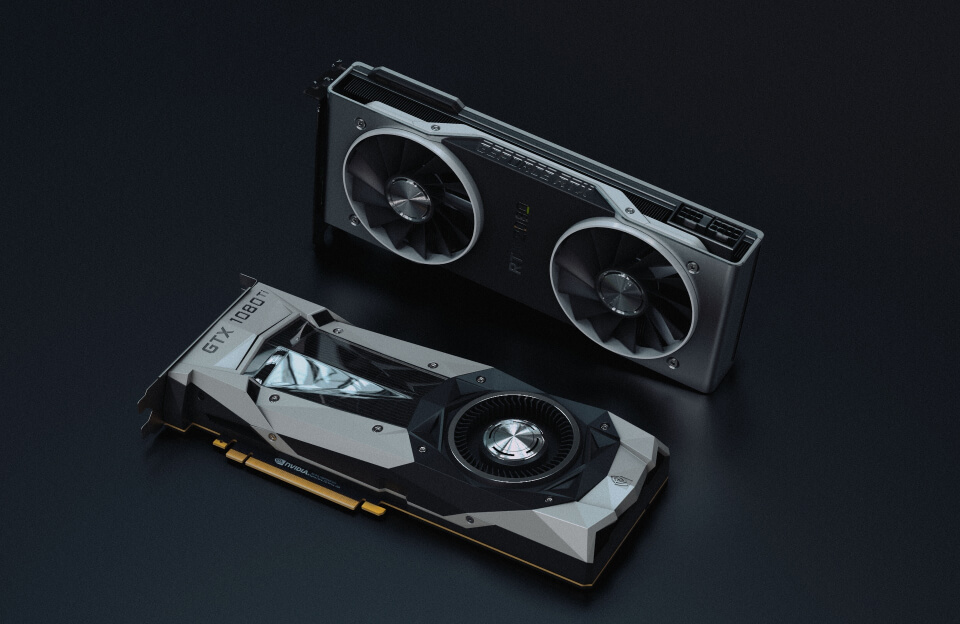
Upgrading your graphics card can breathe new life into a desktop, a laptop, or even a workstation that feels sluggish after years of software advances. This GPU Upgrade Guide 2026 walks you through the latest trends, essential specifications, and compatibility checks so you can make an informed purchase that maximizes performance, longevity, and value.
GPU Upgrade Guide 2026: Choosing the Right Card
When you start researching the market, the sheer number of options can be overwhelming. The dominant players remain NVIDIA RTX 40 Series and the refreshed AMD Radeon lineup. Decide first whether you need a card optimized for gaming, content creation, or compute workloads. Gamers often prioritize high frame rates and ray‑tracing performance, while video editors weigh VRAM capacity and encoder efficiency. If your workload leans toward machine‑learning or scientific simulation, look for CUDA cores (NVIDIA) or ROCm support (AMD).
GPU Upgrade Guide 2026: Understanding Core Specs
The headline numbers on a product page rarely tell the whole story. Below are the critical specs you should compare directly:
- CUDA cores / Stream Processors: Determines raw parallel processing power. More cores generally translate to higher compute throughput.
- VRAM (Video Memory): Modern titles and 8K video editing can require 12 GB or more. Pay special attention to memory type (GDDR6X vs. GDDR6) and bandwidth.
- Ray Tracing Units: With real‑time ray tracing becoming mainstream, the number of RT cores (NVIDIA) or Ray Accelerators (AMD) affects visual fidelity and performance.
- Boost Clock Speed: Higher clocks improve frame rates but may increase power consumption.
- Power Draw (TDP): Determines the wattage your PSU must supply and the cooling solution required.
For deeper technical background, consult the Graphics Processing Unit (GPU) Wikipedia article, which explains architecture fundamentals and how these metrics interrelate.
GPU Upgrade Guide 2026: Compatibility Checklist
Even the most powerful graphics card is useless if it cannot physically or electrically fit into your system. Run through this checklist before you click “Add to Cart”.
- PCIe Slot Version: Most high‑end GPUs require PCIe 4.0 or 5.0 x16. Older motherboards may still operate the card but at reduced bandwidth.
- Power Supply Capacity: Add the card’s TDP to your system’s total power draw. A 750 W PSU is a safe baseline for most RTX 4090‑class cards.
- Connector Type: Modern GPUs use 2× 8‑pin or a 12‑pin PCIe Power Connector. Verify your PSU includes the required cables or plan for adapters.
- Physical Dimensions: Measure length, width, and height. Some “founder’s edition” cards exceed 12 inches and may conflict with drive bays.
- Cooling Clearance: Ensure adequate airflow; side‑panel fans should align with the GPU’s exhaust.
For environmental considerations, the EPA Electronic Waste Recycling page provides guidance on proper disposal of old cards.
GPU Upgrade Guide 2026: Future‑Proofing Your Build
Technology evolves quickly, but a thoughtfully selected GPU can remain relevant for years. Here are strategies to maximise longevity:
- Prioritise VRAM Capacity: Games and professional apps are trending toward 16 GB and beyond. Selecting a card with ample VRAM cushions you against future memory‑hungry releases.
- Look for DLSS 3 or FSR 3 Support: AI‑driven upscaling technologies extend performance without sacrificing visual quality, and they’re being adopted across new titles.
- Choose a Platform with Driver Longevity: Both NVIDIA and AMD commit to driver updates for several generations; reviewing each company’s roadmap can inform your decision.
- Consider PCIe 5.0 Compatibility: Even if your current motherboard is PCIe 4.0, a PCIe 5.0‑ready card ensures you can upgrade the motherboard later without replacing the GPU.
Advanced research on ray tracing performance can be found in MIT Ray Tracing Research, which delves into algorithmic improvements that may influence future driver optimisations.
GPU Upgrade Guide 2026: Installation Tips and Best Practices
Once you’ve selected the perfect graphics card, follow these steps for a smooth installation:
- Power down the system and unplug all cables.
- Ground yourself to prevent static discharge.
- Remove the old card by gently releasing the PCIe retention lever.
- Insert the new GPU firmly into the PCIe slot, ensuring the gold contacts are fully seated.
- Connect the required power cables, double‑checking pin alignment.
- Close the case, reconnect peripherals, and boot into the BIOS to verify the card is recognized.
- Install the latest drivers from the manufacturer’s website before launching any games or applications.
Proper driver installation not only unlocks performance but also ensures security patches are applied, maintaining system integrity.
GPU Upgrade Guide 2026: Troubleshooting Common Issues
If you encounter problems after the upgrade, consider these common culprits:
- Insufficient Power: Symptoms include sudden restarts or the GPU not being detected. Verify PSU wattage and connector quality.
- PCIe Compatibility: A mismatched slot version can limit bandwidth, causing lower frame rates. Check BIOS settings for PCIe generation.
- Driver Conflicts: Old drivers may interfere. Use a tool like DDU (Display Driver Uninstaller) to perform a clean install.
- Overheating: Monitor temperatures with software like MSI Afterburner. Ensure case fans are oriented correctly and dust is removed.
Resolving these issues quickly gets you back to gaming or creation without prolonged downtime.
GPU Upgrade Guide 2026: Conclusion
Choosing the right graphics card in 2026 involves balancing raw performance, VRAM needs, power requirements, and future‑proofing considerations. By following the structured approach outlined in this GPU Upgrade Guide 2026, you can avoid common pitfalls, protect your investment, and enjoy a seamless upgrade experience that keeps your system at the cutting edge for years to come.
Ready to upgrade? Explore the latest RTX 40 Series and AMD Radeon releases today, and give your rig the power boost it deserves!
Frequently Asked Questions
Q1. How do I know which GPU is right for gaming vs. content creation?
Identify your primary workload first. Gamers should prioritize high frame rates, ray‑tracing cores, and fast memory, while creators benefit from larger VRAM, efficient encoders (NVENC/AVC), and strong rasterization performance. Comparing benchmark charts for the titles or apps you use helps narrow the field. Also consider future titles that may demand more VRAM or AI‑upscaling support.
Q2. What PCIe version do I need for the latest RTX 40 or Radeon RX 7000 cards?
Both the RTX 40 Series and Radeon RX 7000 Series are built for PCIe 4.0 x16, and they will run on PCIe 5.0 slots at full bandwidth. Older motherboards with PCIe 3.0 can still host these cards, but you may see a modest bandwidth bottleneck in very high‑resolution workloads.
Q3. How much power supply capacity is required for high‑end GPUs?
High‑end cards like the RTX 4090 or Radeon RX 7900 XTX typically have a TDP of 350 W–450 W. A quality 750 W PSU is the recommended baseline, ensuring enough headroom for CPU, drives, and peripherals. Always check the manufacturer’s recommended PSU wattage and connector requirements before purchasing.
Q4. Can I upgrade my GPU without reinstalling Windows?
Yes, a GPU swap usually works without a fresh OS install. After installing the new card, uninstall any old drivers with a tool like DDU, then install the latest drivers from NVIDIA or AMD. Windows will detect the new hardware automatically, and your settings and applications will continue to work.
Q5. What are the best practices for cooling a new graphics card?
Ensure your case has good airflow: intake fans at the front and exhaust at the rear/top. Keep the GPU’s heatsink vents unobstructed and consider adding a side‑panel fan that lines up with the card’s exhaust. Monitor temperatures with software such as MSI Afterburner and clean dust regularly to maintain optimal cooling performance.