Building or revamping a high‑performance rig in 2026 can feel overwhelming, but a well‑structured Gaming PC Upgrade Checklist 2026 makes the process manageable and future‑proof. Whether you’re chasing the latest RTX 40 series graphics card, preparing for DDR5 memory saturation, or ensuring your power supply can handle PCIe 5.0 bandwidth, this guide walks you through every critical component, performance metric, and compatibility nuance. By following a systematic approach, you’ll avoid costly bottlenecks, improve energy efficiency, and extend the lifespan of your machine, all while staying on the cutting edge of modern gaming technology.
Assess Your Current Build and Define Goals
Before you start swapping parts, take inventory of your existing system. List the CPU model, GPU, RAM capacity, storage type, motherboard chipset, and power‑supply wattage. This baseline helps you pinpoint which upgrades deliver the biggest performance jump for your budget. Ask yourself: Do you need higher frame rates for competitive shooters, or are you aiming for 4K ray‑tracing fidelity in open‑world titles? Clarifying your primary use case guides you toward the most impactful upgrades, such as moving from a 1080p‑focused GTX 1660 to an RTX 4090 for ultra‑high‑definition immersion.
Select the Right GPU for 2026 Gaming
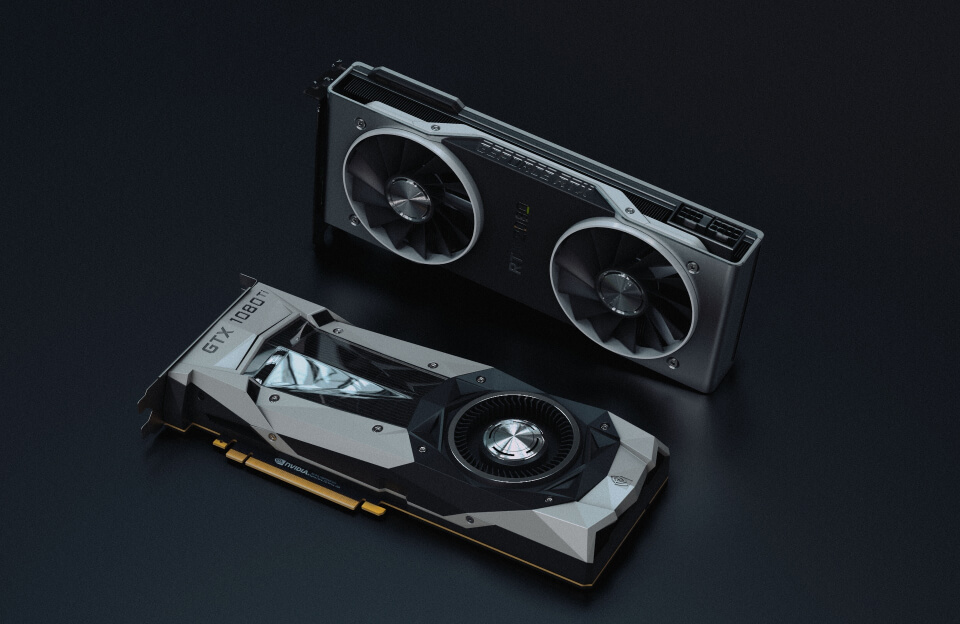
The graphics card remains the heart of any gaming PC, and 2026 introduces a new generation of RTX 40 series GPUs that leverage Ada Lovelace architecture. When choosing a card, consider the following factors:
- VRAM capacity: 12 GB or more is advisable for 4K textures and future titles.
- Ray‑tracing performance: Look for higher RT core counts to maintain smooth frame rates.
- Power draw: High‑end models can exceed 350 W, requiring a robust PSU.
- Connectivity: Ensure your monitor supports HDMI 2.1 or DisplayPort 2.0 for high refresh rates.
For a deeper technical overview of GPU architecture, see the GPU Wikipedia article. Pairing a capable GPU with a CPU that avoids bottlenecks—such as the latest Intel 13th‑gen Core i9 or AMD Ryzen 9 7950X—maximizes overall system throughput.
Upgrade Memory and Storage for Speed
DDR5 memory has become mainstream in 2026, offering up to 6400 MT/s bandwidth—nearly double the speed of DDR4. Upgrading from 16 GB of DDR4 to 32 GB of DDR5 not only improves frame times in memory‑intensive games but also future‑proofs your system for upcoming titles that use large asset packs. For authoritative details on DDR5 specifications, refer to the DDR5 Wikipedia page.
On the storage front, NVMe PCIe 4.0 SSDs still provide excellent performance, but PCIe 5.0 drives are now available with read speeds exceeding 14 GB/s. If your motherboard supports PCIe 5.0, swapping to a next‑gen SSD dramatically reduces load times, especially in open‑world environments where assets stream constantly. A balanced configuration—32 GB DDR5 + 2 TB PCIe 5.0 NVMe—delivers a silky‑smooth experience across most modern games.
Ensure Motherboard Compatibility and Expandability
The motherboard is the glue that holds your upgrade plan together. In 2026, look for chipsets that support:
- PCIe 5.0 x16 slots for next‑gen GPUs.
- Dual‑channel DDR5 DIMM slots with adequate overclock headroom.
- USB 4.0 and Thunderbolt 4 ports for high‑speed peripherals.
- Robust VRM cooling, especially for overclocked CPUs.
Brands such as ASUS ROG Strix, MSI MPG, and Gigabyte AORUS continue to lead with BIOS updates that improve stability. For technical specifications on PCI Express, consult the PCIe Wikipedia entry. If your current board lacks these features, budgeting for a new motherboard may provide the most long‑term value.
Power Supply, Cooling, and Peripheral Considerations
A high‑end GPU and CPU combination can draw 600 W or more under load. Selecting an 80 PLUS Gold or Platinum certified PSU with at least 850 W headroom ensures stable operation and leaves room for future upgrades. Remember to check the connector types (6‑pin, 8‑pin, or the newer 12‑pin PCIe 5.0 power) to match your GPU.
Effective cooling is equally vital. Liquid‑cooled AIO solutions ranging from 240 mm to 360 mm radiators keep temperatures low while maintaining a quiet profile. Additionally, invest in high‑quality case fans that support PWM control for optimal airflow. For those interested in monitoring power consumption and thermal performance, the U.S. Department of Energy provides guidelines on efficient PC power usage.
Finally, upgrade peripherals to fully leverage your new hardware. A high refresh‑rate monitor (144 Hz or higher) with G‑Sync or FreeSync technology, a mechanical keyboard with low‑latency switches, and a gaming mouse with adjustable DPI will round out the experience.
Comprehensive Upgrade Checklist
Below is a concise, actionable checklist you can copy and paste into a note‑taking app. Tick each item as you verify compatibility and purchase the component.
- ✔ Verify CPU socket matches motherboard.
- ✔ Confirm motherboard supports PCIe 5.0 x16 and DDR5.
- ✔ Choose GPU with sufficient VRAM (12 GB+) and power connectors.
- ✔ Select PSU: 80 PLUS Gold/Platinum, ≥850 W.
- ✔ Install DDR5 RAM (minimum 32 GB) and enable XMP profile.
- ✔ Upgrade to PCIe 5.0 NVMe SSD (≥2 TB) for primary storage.
- ✔ Add AIO liquid cooler or high‑airflow fans.
- ✔ Update BIOS and chipset drivers to latest version.
- ✔ Test stability with benchmark tools (e.g., 3DMark, Prime95).
- ✔ Calibrate in‑game settings for target resolution and frame rate.
Following this checklist reduces guesswork and ensures each component works harmoniously, delivering the performance gains you expect.
Conclusion and Call to Action
Upgrading your gaming rig in 2026 doesn’t have to be a gamble. By adhering to the Gaming PC Upgrade Checklist 2026, you’ll make informed, evidence‑based decisions that align with industry standards and your personal gaming goals. Ready to transform your setup? Start your component research today, compare prices across reputable retailers, and begin assembling the future‑ready machine you deserve. If you found this guide helpful, share it with fellow gamers and subscribe for more expert hardware advice.
Frequently Asked Questions
Q1. How do I decide which part to upgrade first?
Start by benchmarking your current system to spot the biggest bottleneck—CPU, GPU, or memory. Compare the performance impact of each upgrade against your gaming goals, whether it’s higher frame rates or 4K ray‑tracing. Upgrading the component that limits the others will give you the most noticeable improvement for the least cost.
Q2. Is DDR5 truly necessary for a 2026 gaming PC?
DDR5 offers up to twice the bandwidth of DDR4, which translates to smoother frame times in modern, texture‑heavy games. While many titles still run fine on high‑speed DDR4, newer releases are optimized for DDR5’s higher frequencies and lower latency. If you plan to keep your rig for several years, investing in DDR5 future‑proofs your system against upcoming memory‑intensive titles.
Q3. What PSU wattage should I choose for an RTX 4090‑class GPU?
The RTX 4090 can draw 350 W or more under load, and when paired with a high‑end CPU the total system draw can approach 600 W. An 80 PLUS Gold or Platinum certified unit of at least 850 W provides a safe margin and ensures stable power delivery. Look for models with the newer 12‑pin PCIe 5.0 connector or appropriate adapters for the GPU.
Q4. Can I use a PCIe 4.0 SSD in a PCIe 5.0 motherboard slot?
Yes, PCIe 5.0 slots are backward compatible with PCIe 4.0 drives, so you can install a PCIe 4.0 SSD without any functional issues. The drive will operate at PCIe 4.0 speeds, which are still extremely fast (up to ~7 GB/s). This makes it a viable interim solution while you wait for PCIe 5.0 SSD prices to drop.
Q5. How often should I update BIOS and drivers after a major upgrade?
Check for BIOS updates whenever a new motherboard revision is released, especially if it adds support for newer CPUs or memory kits. Graphics drivers should be refreshed at least once a month, or immediately after a major game release that benefits from optimizations. Keeping both up to date ensures compatibility, stability, and the best possible performance.