Building a machine that can dominate the latest titles at 4K, 240 Hz, and with ray tracing fully enabled requires more than simply throwing together the most expensive parts. A thoughtful High-End Gaming PC Configuration balances raw performance, cooling efficiency, future‑proof connectivity, and power consumption. In this guide we walk through the most critical decisions, from the processor that drives the frame rate to the storage solution that eliminates load‑times, while offering actionable tips you can apply right away.
High-End Gaming PC Configuration: CPU Selection
The central processor is the brain of any gaming rig, and in a High-End Gaming PC Configuration it must handle both single‑core speed for games and multi‑core workloads for streaming or content creation. Today’s top choices include the AMD Ryzen 9 7950X and Intel Core i9‑13900K, both built on the latest Zen 4 and Raptor Lake architectures respectively. When choosing, look for a base clock above 4 GHz and support for overclocking if you want to squeeze extra performance. Ensure the motherboard offers a robust power delivery subsystem (often labeled “12‑phase” or higher) and features the latest PCI Express 5.0 lanes for future GPU upgrades. Pairing a high‑end CPU with a quality cooler—whether an all‑in‑one AIO or a custom loop—prevents thermal throttling during marathon sessions.
High-End Gaming PC Configuration: GPU Selection
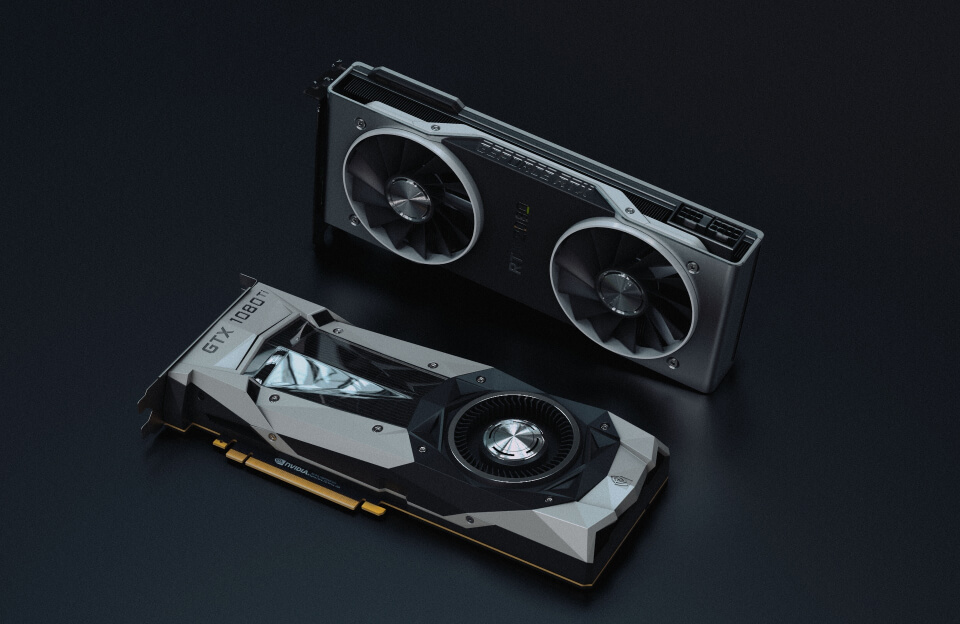
The Graphics Processing Unit is the heart of any gaming experience, especially when you aim for ultra settings and ray tracing at high refresh rates. For a High-End Gaming PC Configuration, the NVIDIA GeForce RTX 4090 and AMD Radeon RX 7900 XTX currently set the performance ceiling. Prioritize a card with at least 24 GB of VRAM for 4K textures and a robust cooling solution that can sustain boost clocks in excess of 2.5 GHz. Look for features such as DLSS 3 (NVIDIA) or FSR 3 (AMD) that help maintain frame rates while preserving visual fidelity. Ensure the case has sufficient airflow and consider a side‑panel vent if you plan to stack multiple GPUs in SLI or CrossFire, although most modern titles benefit most from a single high‑end GPU.
High-End Gaming PC Configuration: Memory and Storage
Memory speed and latency directly affect game loading times and frame‑time stability. With the new DDR5 standard, a High-End Gaming PC Configuration should target 6000 MT/s or higher modules, preferably in a 32 GB (2 × 16 GB) kit to give the system room for background tasks. For those who demand the absolute fastest data access, consider a primary NVMe SSD using the PCI Express 4.0 interface—options like the Samsung 990 Pro or WD Black SN850X provide sequential reads over 7 GB/s. Adding a secondary SATA SSD or a high‑capacity HDD for mass storage keeps your game library organized without sacrificing speed.
High-End Gaming PC Configuration: Cooling and Power
Keeping elite components cool is non‑negotiable. A custom Liquid Cooling loop offers the lowest temperatures and the quietest operation, but a high‑quality all‑in‑one (AIO) radiator of 360 mm or larger can also meet the demands of a High-End Gaming PC Configuration. Choose a pump with a flow rate of at least 1 L/min and a radiator with a fin density of 25‑30 fins per inch for optimal heat exchange. Here is a quick checklist for cooling and power:
- CPU cooler: 360 mm AIO or custom loop with 140 mm radiators.
- GPU cooler: Ensure factory‑installed vapor chamber or plan an aftermarket water block.
- Case fans: Minimum of three 140 mm fans in a push‑pull configuration.
- Power supply: 1000 W 80+ Gold or Platinum certified, modular, with headroom for overclocking.
- Thermal monitoring: Use software like HWInfo or MSI Afterburner to track temperatures in real time.
The power supply’s efficiency not only reduces heat but also contributes to lower electricity bills—something highlighted by the U.S. Department of Energy’s guidance on computer energy efficiency. Pairing efficient components with a well‑designed airflow path ensures your rig stays quiet even under load.
High-End Gaming PC Configuration: Future‑Proofing and Connectivity
Investing in the latest standards protects your build from obsolescence. Look for motherboards that support DDR5, PCIe 5.0, Wi‑Fi 6E, and USB4. These features guarantee compatibility with upcoming graphics cards, storage drives, and peripheral devices. Additionally, enable BIOS updates that add support for newer CPUs, a practice recommended by the Central Processing Unit development roadmaps. While a premium case can be tempting for aesthetics, prioritize one with ample expansion slots, cable‑management features, and removable dust filters to keep maintenance simple over the years.
Conclusion: A meticulously planned High-End Gaming PC Configuration delivers unrivaled performance, stability, and longevity. By selecting a top‑tier CPU and GPU, pairing them with ultra‑fast DDR5 memory and NVMe storage, and implementing robust cooling and power solutions, you create a platform ready for today’s most demanding titles and tomorrow’s innovations. Ready to build your ultimate machine? Start your build today and experience gaming without limits!