
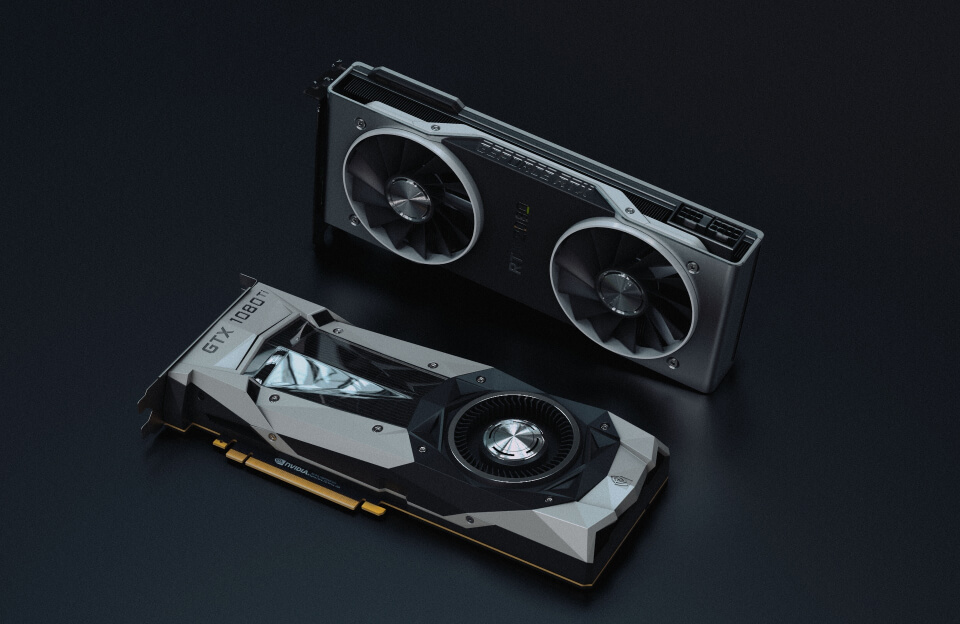
Finding the best budget graphics cards for gaming can feel like navigating a maze of specs, prices, and hype. In 2024, the market offers a surprisingly diverse selection that balances performance with affordability, making 1080p and even some 1440p experiences possible without breaking the bank. Whether you’re building a first‑time PC, upgrading an aging rig, or looking for a cost‑effective entry point into VR, understanding price‑to‑performance ratios, driver support, and power requirements is essential. This guide breaks down the top affordable GPUs, highlights key features, and provides actionable advice so you can make a confident purchase that delivers smooth frame rates, reliable longevity, and future‑proofing where possible.
Top Picks for 2024
NVIDIA GeForce RTX 3060 Ti (8 GB)
The RTX 3060 Ti sits at the sweet spot between mid‑range power and budget consciousness. Built on NVIDIA’s Ampere architecture, it offers ray‑tracing cores and DLSS 2.0, which can boost frame rates in demanding titles while preserving visual fidelity. At around $329 MSRP, it provides performance comparable to the previous generation’s RTX 2080 Super, delivering smooth 1080p and solid 1440p gameplay in titles like Fortnite, Cyberpunk 2077, and Valorant. Its 8 GB GDDR6 memory and 256‑bit bus ensure enough bandwidth for texture‑rich environments, making it a reliable choice for gamers who want a taste of premium features without a premium price tag.
AMD Radeon RX 6600 XT (8 GB)
AMD’s answer to the budget‑friendly market is the RX 6600 XT, which leverages the RDNA 2 architecture for efficient power usage and strong rasterization performance. Priced near $279, it excels at 1080p high‑refresh gaming and can handle 1440p at medium settings. The card benefits from AMD’s FidelityFX Super Resolution (FSR) 2.0, an open‑source alternative to DLSS that improves performance in supported titles. With a 128‑bit memory interface and 8 GB of GDDR6, the RX 6600 XT offers ample headroom for modern games while keeping power draw under 160 W, meaning most mid‑range PSUs can support it without upgrades.
Intel Arc A770 (12 GB)
Intel’s foray into discrete graphics has matured with the Arc A770, a compelling option for budget‑conscious gamers seeking strong 1080p performance. Featuring 12 GB of GDDR6 and Xe‑core architecture, the A770 delivers competitive frame rates in titles such as League of Legends and Assassin’s Creed Valhalla. Priced around $319, it includes hardware‑accelerated ray tracing and AI‑driven upscaling via Intel’s XeSS technology, providing an alternative to NVIDIA’s DLSS. While driver maturity is still evolving, recent updates have markedly improved stability and game compatibility, making the Arc A770 a viable choice for early adopters who value diversity in GPU vendors.
NVIDIA GeForce GTX 1660 Super (6 GB)
For gamers on the tightest budgets, the GTX 1660 Super remains a stalwart performer. Although it lacks dedicated ray‑tracing hardware, its Turing‑based shader cores deliver excellent rasterization results. At roughly $209, it comfortably handles 1080p gaming at high settings in popular esports titles and many AAA releases when settings are tuned. The 6 GB GDDR6 memory and 192‑bit bus make it suitable for texture‑intensive games, while its low power draw (120 W) ensures compatibility with older systems and smaller cases.
Key Features to Consider
- Ray Tracing and Upscaling: Technologies like DLSS, FSR, and XeSS can dramatically improve frame rates without sacrificing visual quality.
- VRAM Capacity: At least 6 GB of VRAM is recommended for modern titles; 8 GB or more provides extra future‑proofing.
- Power Consumption: Verify that your PSU can meet the card’s wattage requirements plus headroom for other components.
- Driver Support: Regular driver updates from NVIDIA, AMD, or Intel ensure compatibility and performance improvements.
- Form Factor: Ensure the card fits your case—dual‑slot designs are common, but length can vary.
How to Choose the Right Card for Your Setup
Start by assessing your primary gaming resolution and refresh rate goals. If you aim for 1080p at 144 Hz, the RTX 3060 Ti or RX 6600 XT will comfortably meet that target. For budget builds limited to 60 Hz or lower, the GTX 1660 Super delivers reliable performance without excessive cost. Consider the games you play most frequently; titles that support hardware upscaling (DLSS, FSR, XeSS) can allow a lower‑tier GPU to punch above its weight. Additionally, check your motherboard’s PCIe slot version—most modern GPUs are backward compatible, but PCIe 4.0 lanes provide a modest bandwidth advantage for high‑end models.
Real‑World Benchmarks and Performance
Benchmarks from reputable tech sites consistently rank the RTX 3060 Ti as the most powerful budget‑friendly card, often beating the RX 6600 XT by 10‑15 % in rasterized tests while trailing slightly in ray‑traced scenarios. In Cyberpunk 2077 with DLSS 2.0 enabled, the 3060 Ti can sustain 60 fps at 1080p, whereas the RX 6600 XT achieves around 48 fps with FSR. The Arc A770 provides comparable results to the 6600 XT in many esports titles, sometimes outpacing it due to XeSS. The GTX 1660 Super, while older, still reaches 90‑100 fps in titles like Rocket League and Counter‑Strike: Global Offensive, illustrating its continued viability for competitive gaming.
Where to Buy and What to Watch Out For
When purchasing a budget GPU, reputable retailers such as Newegg, Amazon, and local electronics stores often provide warranty coverage and return policies. Beware of third‑party sellers offering “refurbished” cards at suspiciously low prices; while some can be genuine bargains, others may lack proper testing or warranty. Checking user reviews and confirming the seller’s return policy can prevent costly mistakes.
Future‑Proofing on a Budget
While no budget card can guarantee longevity for the next five years, choosing a GPU with modern architectural features and robust driver support maximizes its usable lifespan. Features like hardware‑accelerated ray tracing, AI‑based upscaling, and sufficient VRAM ensure that the card remains relevant as game engines evolve. Keeping your system’s drivers up to date—via NVIDIA’s official driver portal or AMD’s support page—further extends performance.
Conclusion
Selecting the best budget graphics cards for gaming hinges on balancing price, performance, and future‑proofing features. The RTX 3060 Ti stands out as the top performer for gamers willing to stretch slightly beyond the low‑end spectrum, while the RX 6600 XT and Arc A770 offer compelling alternatives with unique upscaling technologies. For ultra‑tight budgets, the GTX 1660 Super remains a dependable workhorse. By evaluating your resolution targets, preferred titles, and power constraints, you can invest wisely and enjoy smooth, immersive gameplay without overspending.
Ready to upgrade? Browse our curated list of verified sellers and secure the perfect budget GPU for your rig today!
Frequently Asked Questions
Q1. What defines a “budget” graphics card in 2024?
A budget GPU typically falls under $350 USD and offers solid 1080p performance while balancing features like ray tracing and AI upscaling. It should have at least 6 GB of VRAM to handle modern textures. Power draw and compatibility with older systems are also important considerations. The goal is to deliver smooth gameplay without sacrificing essential visual quality.
Q2. Is ray tracing worth paying extra for on a budget card?
Ray tracing can dramatically improve visual fidelity, but it is demanding on hardware. Budget cards that include dedicated RT cores (e.g., RTX 3060 Ti) will handle light ray‑traced effects at 1080p, while others may need to rely on lower settings or upscaling technologies like FSR or XeSS.
Q3. How much VRAM do I really need for modern games?
Six gigabytes is the minimum to avoid texture pop‑in in most current titles, but 8 GB or more provides a safety margin for future releases and higher‑resolution assets. Games that use high‑resolution texture packs benefit noticeably from the additional VRAM.
Q4. Can I use a budget GPU for VR gaming?
Entry‑level VR is possible with cards like the RTX 3060 Ti or RX 6600 XT, provided you stay within the recommended headset specifications. However, more demanding VR experiences may require a higher‑end GPU for comfortable frame rates.
Q5. What should I check before buying a used graphics card?
Verify the card’s physical condition, ensure the fan and heatsink are clean, and ask the seller for recent benchmark results. Confirm that the warranty is transferable or that the seller offers a short return window. Checking the card’s BIOS version can also help ensure driver compatibility.
