Keeping a desktop computer running cool isn’t just about preventing thermal throttling; it’s also about extending component lifespan and maintaining stable performance. Effective PC Airflow reduces hot spots, lowers fan noise, and can even improve overclocking headroom. In this guide we’ll explore practical steps you can take to increase airflow, clean your system, and choose the right cooling components. Topics include fan placement, cable management, dust filters, and temperature monitoring. By the end of the article you’ll have a clear roadmap to turn a cramped, hot case into a well‑ventilated, quiet powerhouse.
Assess PC Airflow in Your Current Setup
Before you start swapping fans, take a snapshot of how air moves inside your chassis. Open the case and look for obvious blockages such as large cables, stacked hard drives, or oversized GPU shrouds. Use a piece of lightweight paper or a small handheld airflow test to feel the direction of air coming from intake fans and exiting through exhausts. Note the temperature readings from your BIOS or software utilities like HWMonitor; sustained CPU temperatures above 80 °C often signal inadequate PC Airflow. Document the current fan speeds and the number of active fans, then compare those numbers against the recommendations from your motherboard manual or the manufacturer’s thermal design guidelines. This baseline will help you measure the impact of each improvement you make.
Optimize PC Airflow with Fan Placement and Direction
The most effective way to boost airflow is to establish a clear front‑to‑back pressure gradient. Typically, you want cool air entering from the front or bottom of the case and warm air exiting from the top or rear. Follow these best‑practice steps:
- Intake fans: Position at least two 120 mm or 140 mm fans on the front panel, pulling cool air into the chassis.
- Exhaust fans: Mount one or two rear fans to push hot air out, and consider a top‑mounted fan if your case supports it.
- Positive pressure: Use slightly more intake than exhaust fans to prevent dust from being drawn in through unfiltered gaps.
- Fan curves: Adjust fan speed curves in the BIOS so fans ramp up before temperatures become critical.
When choosing fan models, look for high static pressure ratings for heatsink and radiator cooling, and high airflow (CFM) ratings for case ventilation. If your motherboard has limited fan headers, a small PWM splitter can safely drive multiple low‑power fans without overloading the controller.
Maintain Cleanliness and Cable Management for Better PC Airflow
Dust is the silent enemy of PC Airflow. Even a thin layer of grime on fan blades can reduce airflow by up to 30 %. Schedule a cleaning routine every three to six months: shut down the system, unplug it, and use compressed air to blow out dust from filters, heatsinks, and power supplies. Replace disposable dust filters with reusable mesh filters that can be washed in warm water.
Messy cables also obstruct air pathways. Use zip ties, Velcro straps, or built‑in cable routing holes to bundle power and data cables behind the motherboard tray. A tidy interior not only improves airflow but also makes future upgrades easier. For detailed guidance on cable management, reference the NASA assembly standards, which emphasize clear routing to avoid turbulence.
Upgrade PC Airflow Components for Advanced Cooling
If optimizing fan placement and cleanliness doesn’t lower temperatures enough, consider upgrading core cooling components. High‑performance air coolers with larger fins and dual‑fan designs improve contact with the CPU heat spreader. Replace the stock thermal paste with a premium compound such as Arctic MX‑4 or thermal grits for lower thermal resistance. For demanding builds, liquid cooling solutions—either all‑in‑one (AIO) units or custom loops—can move heat more efficiently than air alone. When installing a radiator, follow the same intake‑exhaust principle: a front‑mounted radiator acts as an intake, while a top‑mounted unit functions as an exhaust.
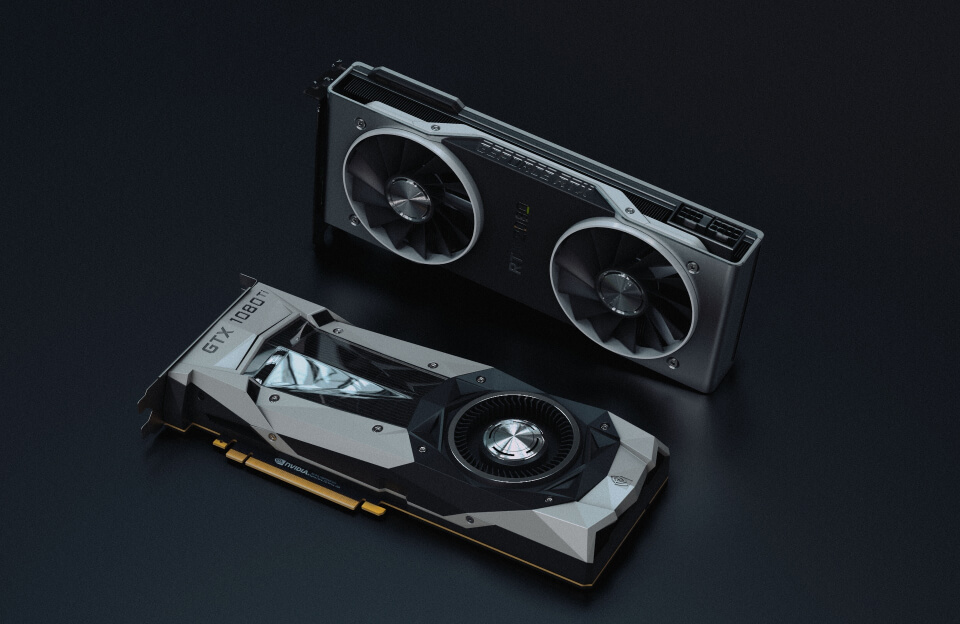
Don’t forget the GPU. Many modern graphics cards include adjustable fan curves, but you can also add a dedicated GPU cooler or improve case airflow around the card. The NCBI study on thermal management demonstrates up to 15 °C reductions when combining GPU brackets with additional case fans.
Monitor PC Airflow Performance and Adjust as Needed
After making hardware changes, continuously monitor temperatures to verify improvements. Use software like MSI Afterburner, HWInfo, or the built‑in Windows Task Manager to track CPU, GPU, and motherboard sensor data. Aim for CPU idle temperatures below 45 °C and load temperatures under 80 °C, while GPU temps should stay under 85 °C under load. If temperatures remain high, revisit fan curves, check for obstructed vents, or consider increasing exhaust fan speed for a higher negative pressure setup.
Periodic checks are essential, especially after dust cleaning or component upgrades. Establish a baseline graph of temperature vs. workload; any deviation beyond a 5 °C threshold signals a need for further airflow tuning.
Conclusion: Boost Your PC Airflow Today
Optimizing PC Airflow is a blend of strategic fan placement, diligent maintenance, and smart component upgrades. By assessing your current setup, installing the right fans, keeping dust at bay, and monitoring temperatures, you can achieve a cooler, quieter, and more reliable system. Ready to put these tips into action? Start improving your PC Airflow now and experience the performance gains for yourself!
Frequently Asked Questions
Q1. How can I assess my current PC airflow?
Open the case and look for blockages such as cables, stacked drives, or dust. Use a lightweight paper or a small handheld airflow tester to feel the direction of air from intake and exhaust fans. Record temperature readings from BIOS or monitoring software to establish a baseline.
Q2. What is the ideal fan placement for optimal airflow?
Place intake fans at the front or bottom of the case to draw cool air in, and exhaust fans at the rear or top to push hot air out. Maintaining a front‑to‑back pressure gradient creates positive pressure, which helps filter dust. Aim for at least two front intake 120 mm fans and one rear exhaust fan.
Q3. How often should I clean dust from my PC?
Dust should be removed every three to six months, depending on the environment. Power down, unplug, and use compressed air to clear filters, heatsinks, and the PSU. Re‑use washable mesh filters to keep dust buildup minimal.
Q4. When should I consider upgrading to an AIO liquid cooler?
If CPU temperatures stay above 80 °C under load despite good airflow, an AIO liquid cooler can provide lower thermal resistance. Choose a radiator size that fits your case, and mount it as an intake on the front or as an exhaust on the top. Ensure the pump is powered directly from a dedicated fan header for reliable performance.
Q5. How can I monitor PC airflow performance over time?
Use software like HWInfo, MSI Afterburner, or your motherboard’s utility to track CPU, GPU, and motherboard temperatures. Create a temperature‑vs‑load graph to spot trends. Adjust fan curves or add fans if temperatures rise more than 5 °C from your baseline.