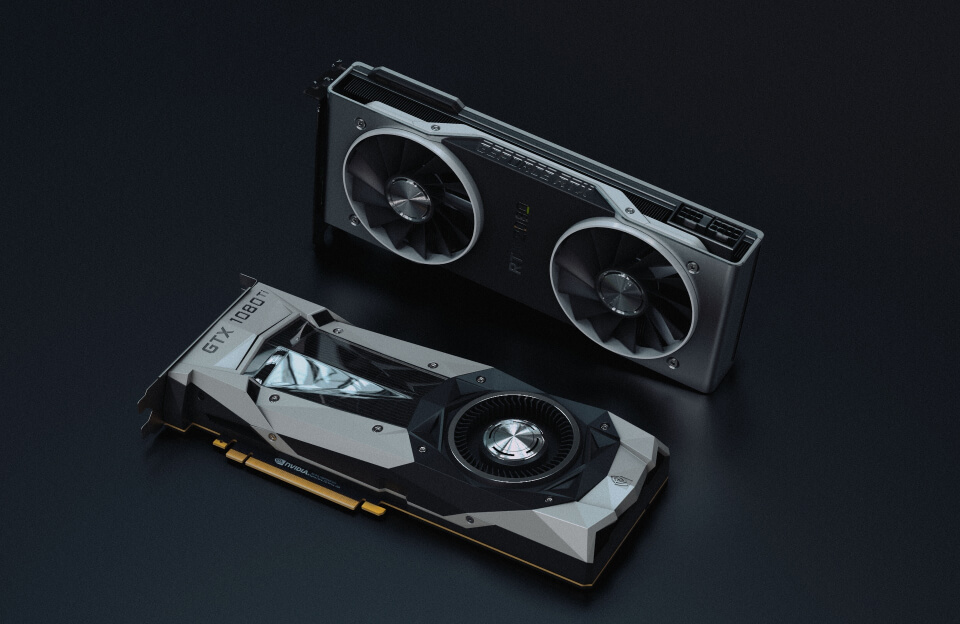
Finding the best budget graphics cards for gaming today can feel like hunting for a needle in a haystack. Prices fluctuate, new architectures arrive, and the line between “budget” and “mid‑range” moves constantly. Whether you’re building a first‑ever PC or upgrading an older rig, the goal is the same: squeeze the most playable frames per second out of a limited budget while keeping future upgrades possible. In this guide we break down the key criteria, list the top contenders for 1080p gaming, and show you how to get the highest price‑to‑performance ratio without sacrificing reliability.
Best Budget Graphics Cards: How to Choose
Before you dive into specific models, understand the factors that separate a decent budget card from a sub‑par one. The primary metrics are:
- GPU Architecture: Newer generations (e.g., NVIDIA Ada Lovelace, AMD RDNA 2) offer better power efficiency and driver support.
- VRAM Capacity: For modern titles at 1080p, 4 GB is the absolute minimum; 6 GB–8 GB provides a safety net for texture‑heavy games.
- Core Clock & Boost Speed: Higher frequencies translate directly into higher frame rates, especially in shader‑limited titles.
- Power Draw & Connector Requirements: Ensure your PSU can handle the card’s TDP without needing a costly upgrade.
- Driver Ecosystem: NVIDIA’s Game Ready Drivers and AMD’s Radeon Software both strive for quick optimization, but NVIDIA historically leads in low‑end stability.
Secondary considerations include Ray Tracing support (often limited on budget silicon) and the presence of HDMI 2.1 or DisplayPort 1.4a for newer monitors. By weighing these criteria, you’ll be able to spot the cards that deliver genuine value.
Best Budget Graphics Cards: Top Picks for 1080p
The market in 2024 offers several compelling choices under $250. Below are the five models that consistently rank highest in independent benchmarks such as GPU performance charts and real‑world gaming tests.
1. NVIDIA GeForce GTX 1650 Super
The GTX 1650 Super remains a workhorse for gamers on a shoestring. Built on the Turing architecture, it offers a solid 4 GB GDDR6 pool and a 128‑bit memory bus, delivering smooth 1080p experiences in titles like Fortnite, Valorant, and CS:GO.
- Core Clock: 1530 MHz (boost up to 1725 MHz)
- VRAM: 4 GB GDDR6
- TDP: 100 W (single 8‑pin connector)
- Price range: $149‑$169
While it lacks dedicated ray tracing cores, the card’s efficiency makes it ideal for power‑constrained builds.
2. AMD Radeon RX 6500 XT
AMD’s entry‑level offering targets ultralight rigs. The RX 6500 XT uses a stripped‑down RDNA 2 chip, offering 4 GB of GDDR6 and a modest 100 W draw, which means it can run off a 450 W PSU without extra cables.
- Core Clock: 2310 MHz (boost up to 2680 MHz)
- VRAM: 4 GB GDDR6
- Memory Interface: 64‑bit
- Price range: $139‑$159
Its limited memory bus hurts performance at higher textures, but for esports titles it holds its own. See the official specifications on Wikipedia for more details.
3. NVIDIA GeForce GTX 1660 Super
If you can stretch the budget slightly, the GTX 1660 Super delivers a noticeable jump in frame rates, especially in AAA games at medium settings. It inherits the Turing shader cores without the RT and Tensor units, keeping costs low while offering 6 GB of GDDR6.
- Core Clock: 1530 MHz (boost up to 1785 MHz)
- VRAM: 6 GB GDDR6
- Memory Bus: 192‑bit
- Price range: $219‑$239
This card often appears on “best under $250” lists because it balances performance and power consumption (120 W) exceptionally well.
4. AMD Radeon RX 6600
The RX 6600 pushes the budget boundary nearer to the mid‑range tier, but its 8 GB of GDDR6 and 132 W TDP make it a superb choice for gamers who want a bit of future‑proofing. It supports hardware‑accelerated ray tracing, albeit at reduced frame rates.
- Core Clock: 1626 MHz (boost up to 2044 MHz)
- VRAM: 8 GB GDDR6
- Memory Bus: 128‑bit
- Price range: $249‑$269
Benchmarks from reputable tech sites such as Tom’s Hardware show the RX 6600 holding its own against higher‑priced competitors in titles like Assassin’s Creed Valhalla and Cyberpunk 2077 (with ray tracing off).
5. Intel Arc A380
Intel’s foray into discrete graphics continues with the Arc A380, a modest card aimed at budget gamers. It includes 4 GB of GDDR6, supports DirectX 12 Ultimate, and comes with a built‑in AI‑accelerated upscaling feature called XeSS.
- Core Clock: 1500 MHz (boost up to 2000 MHz)
- VRAM: 4 GB GDDR6
- Power Draw: 75 W (no external connector needed)
- Price range: $129‑$149
While driver maturity is still catching up, early reviews suggest the A380 can deliver playable 1080p frame rates in less demanding esports titles.
Best Budget Graphics Cards: Balancing Performance and Cost
Price‑to‑performance is the holy grail of budget builds. The GTX 1660 Super and RX 6600 often offer the best “bang per buck” ratios because they push the 1080p frame‑rate ceiling without demanding premium power supplies. However, if your primary focus is esports titles that run at high FPS, the GTX 1650 Super’s lower power draw and affordable price may be more appropriate.
When comparing, consider the average FPS across a representative sample of games. For instance, at 1080p medium settings:
- RX 6600 – ~85 FPS
- GTX 1660 Super – ~78 FPS
- GTX 1650 Super – ~60 FPS
- RX 6500 XT – ~55 FPS
- Arc A380 – ~50 FPS
These numbers line up with data from TechPowerUp and serve as a practical shortcut for buyers who don’t have time to run their own benchmarks.
Best Budget Graphics Cards: Future‑Proofing Tips
Even on a budget, you can make choices that extend the lifespan of your system. Here are three strategies:
- Prioritize VRAM. Games are increasingly demanding more than 4 GB of texture memory. Opt for 6 GB or 8 GB cards when possible.
- Check for PCIe 4.0 support. While most budget boards use PCIe 3.0, a card that can leverage PCIe 4.0 (like the RX 6600) will be ready for faster CPUs and SSDs.
- Stay on top of driver updates. Both NVIDIA and AMD publish monthly patches that improve performance in new titles. Subscribe to their official channels or use tools like GeForce Experience.
By focusing on these aspects, a $200‑$250 graphics card can comfortably handle most new releases for at least three years, especially if you are willing to adjust settings during very demanding patches.
Conclusion
Choosing the best budget graphics cards for gaming doesn’t require a gamble. Evaluate your power budget, target resolution, and preferred game genres, then match those requirements against the models highlighted above. Whether you settle on the ultra‑efficient GTX 1650 Super, the well‑rounded GTX 1660 Super, or the future‑ready RX 6600, you’ll gain a noticeable performance uplift without breaking the bank.
Ready to upgrade? Browse our curated list of deals and start building your ultimate budget gaming rig today!
Frequently Asked Questions
Q1. What factors should I consider when choosing a budget graphics card?
Look at the GPU architecture, VRAM size, core and boost clocks, power draw, and driver support. Newer architectures give better efficiency and future‑proofing. Sufficient VRAM (6 GB or more) helps with texture‑heavy games, while a lower TDP can save you from upgrading the power supply.
Q2. Is 4 GB of VRAM enough for modern games?
Four gigabytes is the absolute minimum for 1080p at low‑to‑medium settings, but many newer titles start to push 6 GB or more. You can still play many esports and older games comfortably with 4 GB, yet you may need to lower texture quality in more demanding games. For better longevity, aim for at least 6 GB if your budget allows.
Q3. Can I use a budget GPU for ray tracing?
Most entry‑level cards lack dedicated RT cores, so ray tracing performance will be very limited or disabled. Some mid‑range budget cards like the AMD RX 6600 include RT hardware, but you’ll need to turn off ray tracing or accept low frame rates. If ray tracing is a priority, consider spending a bit more on a card that specifically supports it.
Q4. Do I need a new power supply for these budget cards?
Most budget GPUs draw between 75 W and 120 W, and many of them use a single 6‑ or 8‑pin connector or none at all. If you already have a quality 450 W PSU, you’ll likely be fine for the GTX 1650 Super, RX 6500 XT, or Arc A380. Higher‑TDP cards like the GTX 1660 Super may require a 500 W supply, so check the card’s TDP before buying.
Q5. How often should I update drivers for a budget GPU?
Both NVIDIA and AMD release driver updates monthly that can improve performance and fix bugs in new releases. Keeping your drivers up to date ensures you get the best possible frame rates and stability. Use tools like GeForce Experience or Radeon Software to automate the update process.