When you decide to upgrade a gaming PC, the goal isn’t just a single performance boost—it’s about building a machine that stays relevant for years to come. While the temptation to chase the flashiest GPU or the loudest RGB lighting is strong, a strategic approach that balances cost, compatibility, and future‑proofing delivers the best long‑term value. In this guide, we’ll walk through the essential steps, from evaluating your current hardware to selecting scalable components, all while keeping an eye on budget‑friendly upgrades and energy efficiency.
Assess Your Current Setup
Before you purchase any new part, create an inventory of what you already own. Note the CPU model, motherboard chipset, RAM type, power‑supply wattage, and case dimensions. This audit helps you avoid costly mismatches—like buying a next‑generation graphics card that a legacy motherboard cannot support. Use tools such as PCWorld’s system scanner or the built‑in Windows System Information utility. By knowing exactly where you stand, you can focus your budget on the components that will truly raise performance without unnecessary waste.
Prioritize Core Components
The biggest gains come from upgrading the three core pillars of any gaming rig: the CPU, the GPU, and the memory subsystem. However, not all upgrades are created equal, and the order matters.
- CPU: If your processor is more than a generation behind the current mainstream options (e.g., an Intel 7th‑gen or AMD FX series), consider moving to a newer platform. Modern CPUs offer higher core counts and better per‑core performance, which translates to smoother frame rates in CPU‑heavy titles.
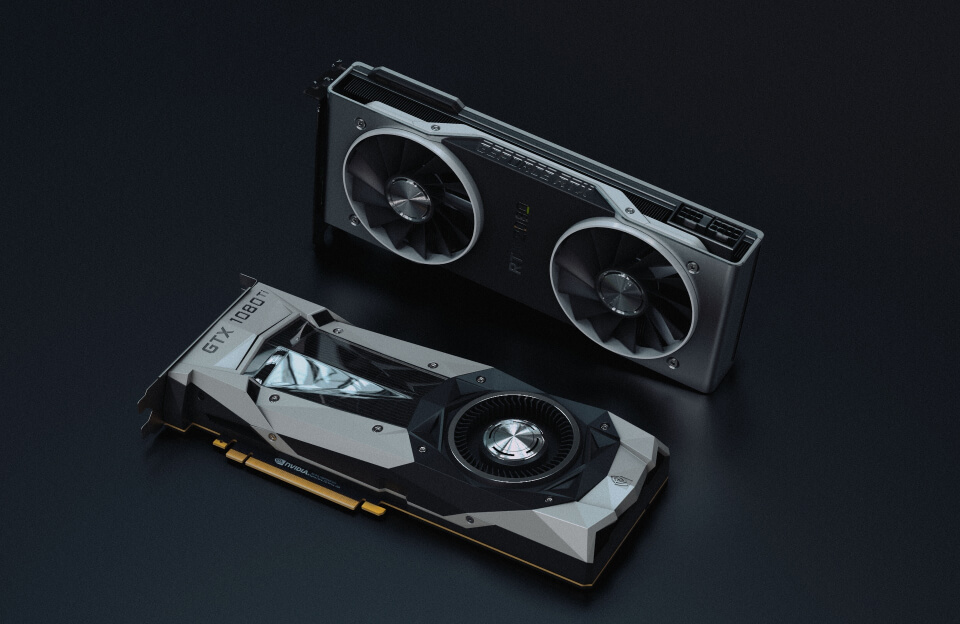
- GPU: For most gamers, the graphics card remains the single biggest performance driver. Look for a model that matches your monitor’s resolution and refresh rate—1080p players can comfortably target a RTX 3060 or Radeon 6600 XT, while 1440p enthusiasts might aim for a RTX 4070 or RX 7700 XT.
- RAM: Aim for at least 16 GB of DDR4 or DDR5 memory, depending on your motherboard’s support. Faster speeds (e.g., 3200 MHz vs 2666 MHz) can shave a few milliseconds off load times, and dual‑channel kits ensure optimal bandwidth.
These “core” upgrades provide the most noticeable performance boost and form the backbone of a future‑proof system.
Future‑Proof with Scalable Choices
Long‑term value hinges on picking parts that can evolve with you. Here are three strategies to keep your rig adaptable:
- Choose a motherboard with expansion headroom. Look for boards that offer additional M.2 slots, PCIe 4.0 (or even PCIe 5.0) lanes, and ample SATA ports. This makes it easier to add NVMe SSDs or extra graphics cards down the line.
- Invest in a high‑efficiency power supply. A reputable 80 Plus Gold PSU rated at 650‑750 W gives you the headroom to power future GPUs without replacing the unit. The U.S. ENERGY STAR program provides guidelines for selecting energy‑efficient models.
- Opt for a case with good airflow and modular design. A well‑ventilated chassis with removable panels and space for additional fans or liquid‑cooling radiators lets you upgrade cooling solutions as component heat output increases.
By building with scalability in mind, you reduce the need for wholesale replacements and keep your gaming PC competitive for several years.
Optimize Software and Cooling
Hardware upgrades only tell part of the story; software tuning and thermal management are equally critical for sustained performance. Begin by updating BIOS firmware and installing the latest drivers from the GPU manufacturer’s website—this can unlock optimizations for newer titles. Next, consider a clean Windows installation; a fresh OS eliminates lingering bloat and can improve frame‑time consistency.
On the cooling front, ensure your CPU cooler matches the TDP (thermal design power) of your new processor. Air coolers such as the Noctua NH‑D15 offer quiet, high‑performance cooling, while an all‑in‑one liquid solution can free up space around the motherboard for additional drives. Proper cable management also improves airflow, preventing hotspots that could throttle performance.
Conclusion: Build Smart, Play Longer
Upgrading a gaming PC for long‑term value isn’t about splurging on the flashiest parts; it’s a disciplined process of assessing your current rig, targeting the most impactful components, and choosing scalable, efficient hardware that can grow with you. By following the steps outlined above—assessing your system, prioritizing core upgrades, planning for future expansion, and fine‑tuning software and cooling—you’ll create a powerful, future‑ready machine that delivers a strong performance boost today and continues to serve you for years to come.
Ready to future‑proof your setup? Start by auditing your current components and then explore the upgrade paths that align with your gaming goals and budget. Your next‑level gaming experience is just a smart upgrade away—make it count!
Frequently Asked Questions
Q1. How do I know which components need upgrading first?
Start by checking your current bottlenecks. Use monitoring tools like MSI Afterburner or HWInfo to see if the CPU, GPU, or RAM is maxed out during gameplay. Generally the GPU provides the biggest fps lift, followed by the CPU and then RAM capacity. Upgrading the component that hits 100 % usage first will give the most noticeable improvement.
Q2. Is a 650 W power supply enough for future upgrades?
A quality 80 Plus Gold 650‑W PSU can handle most current mid‑range GPUs and leaves headroom for a higher‑end card later. It’s important to choose a unit from a reputable brand with stable rails. If you plan to move to an RTX 4090 or similar, consider a 750‑W or higher model.
Q3. Should I switch from DDR4 to DDR5 memory now?
DDR5 offers higher speeds but only works on newer motherboards and CPUs, which are usually more expensive. If your platform supports DDR5 and you’re already budgeting for a new motherboard and CPU, it makes sense to go DDR5. Otherwise, maxing out a fast DDR4 kit (3200‑3600 MHz) gives excellent performance for less cost.
Q4. How important is case airflow for long‑term performance?
Good airflow keeps temperatures low, which preserves component lifespan and prevents thermal throttling. Choose a case with front intake fans, rear exhaust, and optional top or side vents. Cable management and dust filters further improve airflow and maintenance.
Q5. Can I upgrade my GPU without reinstalling Windows?
Yes, most modern drivers allow hot‑swapping the GPU without a full OS reinstall. After installing the new card, uninstall the old drivers, then install the latest version from NVIDIA or AMD. A clean Windows install can still help performance, but it isn’t strictly required.