Upgrading a gaming PC is more than a quick fix; it’s an investment in long‑term value that keeps your rig competitive, reliable, and enjoyable for years to come. Whether you’re chasing higher frame rates, smoother ray‑tracing, or simply extending the lifespan of your current build, a strategic approach can maximize performance without breaking the bank. In this guide, we’ll walk through the essential steps, component priorities, and budgeting tips that ensure each upgrade delivers lasting impact.
Assess Your Goals and Baseline Performance
Before you buy a new GPU or add an SSD, take a moment to define what “value” means for your setup. Are you targeting 144 Hz gaming at 1080p, or do you aspire to 4K ultra‑high‑definition with ray‑tracing? Use tools like Guru3D or built‑in benchmarks to record your current frame rates, load times, and temperatures. Documenting these metrics creates a clear baseline, helping you measure the real impact of each upgrade and avoid unnecessary purchases.
Prioritize Core Components for Maximum Return
Not all upgrades yield the same benefit. Focus on the components that most directly affect gaming performance and future‑proofing:
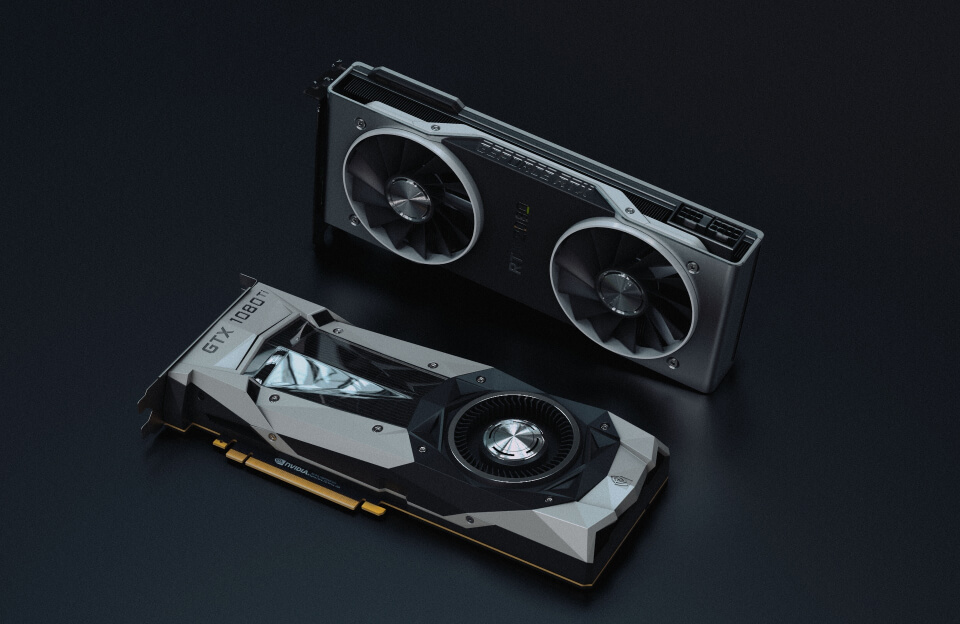
- Graphics Card (GPU): The heart of visual fidelity. Modern titles rely heavily on GPU power for high resolutions, high refresh rates, and advanced effects like ray‑tracing. Consult the Wikipedia entry on GPUs for generation differences and performance benchmarks.
- Processor (CPU): Determines game logic, physics, and AI. While many games are GPU‑bound, a weak CPU can bottleneck even the best graphics card. Review the CPU Wikipedia page for architecture generations.
- Memory (RAM): Sufficient capacity and speed prevent stutters in open‑world titles. Aim for at least 16 GB of DDR4/DDR5 with a frequency that matches your motherboard’s specifications.
- Storage (SSD): Faster load times and smoother texture streaming. An NVMe SSD can dramatically reduce in‑game pop‑ins. Learn more about SSD technology on the SSD Wikipedia article.
Plan a Balanced Upgrade Path
Instead of splurging on a single high‑end component, consider a phased approach that spreads costs while delivering steady performance gains. Below is an example roadmap for a mid‑range 2022 build aiming for a future‑proof experience:
- Phase 1 – Storage Boost: Replace a mechanical HDD with a 1 TB NVMe SSD. Immediate reduction in load times and smoother asset streaming.
- Phase 2 – Memory Upgrade: Add an extra 8 GB stick to achieve 16 GB total, preferably in a dual‑channel configuration for bandwidth gains.
- Phase 3 – GPU Refresh: Swap the existing GPU for a next‑generation card that supports the desired resolution and refresh rate. Look for models with good performance‑per‑dollar ratios, as demonstrated in benchmarks from reputable tech sites.
- Phase 4 – CPU & Cooling: If the GPU upgrade exposes a CPU bottleneck, consider moving to a newer generation processor and upgrading the cooler to maintain thermal headroom.
This staged method lets you reap benefits early (e.g., faster load times) while preserving cash flow for the more expensive GPU later on.
Mind Your Power Supply and Thermals
Power delivery and heat management are often overlooked but crucial for long‑term reliability. When upgrading to a more demanding GPU or CPU, verify that your power supply unit (PSU) meets the wattage recommendations—typically a reputable brand with at least 80 PLUS Gold efficiency. A PSU calculator from a major manufacturer can help you determine the exact requirement.
Similarly, ensure your case has adequate airflow. Adding extra case fans, upgrading to a larger CPU cooler, or even investing in a liquid cooling loop can keep temperatures low, extending component lifespan. The University of Delaware’s hardware lab guide provides detailed airflow concepts that apply to most DIY builds.
Budget‑Friendly Tips for Long‑Term Value
Stretching your dollars while still achieving meaningful performance lifts is possible with a few smart strategies:
- **Buy during sales events** – Black Friday, Cyber Monday, and seasonal promotions often shave 20‑30 % off high‑ticket items.
- **Consider refurbished or open‑box units** – Certified refurbished components from manufacturers or reputable retailers come with warranties at reduced prices.
- **Leverage compatibility** – Keep your existing motherboard if it supports newer CPUs after a BIOS update; this avoids the cost of a new board.
- **DIY cable management** – Proper cable routing improves airflow without extra cost, boosting cooling efficiency.
By combining these tactics, you retain a high‑performance setup while safeguarding your budget for future upgrades.
Future‑Proofing: Think Beyond the Immediate Upgrade
Long‑term value isn’t just about what you install today; it’s about ensuring that today’s investment remains relevant tomorrow. Here are three forward‑looking considerations:
- PCIe Generation: Opt for components that use the latest PCIe 4.0 or 5.0 standards. Even if your current motherboard supports only PCIe 3.0, a GPU that’s backward compatible will still benefit from future bandwidth improvements.
- Modular Design: Choose a modular power supply and a case with ample expansion slots. This makes adding new drives, radiators, or additional GPUs easier down the line.
- Software Support: Keep drivers up to date and enable features such as DLSS or FidelityFX, which can extend performance without hardware changes.
By aligning your upgrade decisions with these future‑proofing principles, you build a resilient platform that can adapt to evolving game demands and emerging technologies.
Conclusion – Upgrade Smart, Play Longer
Upgrading a gaming PC for long‑term value is a balancing act of performance goals, budget constraints, and foresight. Start by assessing your current performance, prioritize core components like the GPU, CPU, RAM, and SSD, and then map out a phased upgrade plan that respects both power and thermal requirements. Use budget‑saving tactics and future‑proofing strategies to ensure each dollar spent maximizes gaming performance now and years ahead.
Ready to transform your rig? Begin with a storage upgrade today, and watch your games load instantly. Visit reputable retailers, compare benchmarks, and keep an eye on upcoming sales to secure the best deals. Your upgraded gaming PC isn’t just a faster machine—it’s an investment that pays off every time you power on.
Frequently Asked Questions
Q1. How do I know which component to upgrade first?
Start by benchmarking your current system to identify bottlenecks. If frame rates are low at high settings, the GPU is usually the priority. If you notice stuttering in CPU‑heavy titles, consider the CPU next. Storage upgrades are the easiest win for faster load times.
Q2. Is an NVMe SSD worth the cost over a SATA SSD?
Yes, NVMe drives use the PCIe bus, delivering up to five times the sequential read/write speeds of SATA SSDs. This translates to noticeably quicker game launches and texture streaming. For most gamers, the price‑per‑gigabyte gap has narrowed enough to make NVMe the preferred choice.
Q3. Will adding more RAM improve my gaming performance?
Modern games run smoothly with 16 GB of fast DDR4/DDR5 memory. Adding RAM beyond that only helps if you run memory‑intensive applications simultaneously or use very large mod packs. Ensure the new sticks match the existing speed and timings for dual‑channel operation.
Q4. How can I keep my power supply adequate after a GPU upgrade?
Check the recommended wattage from the GPU manufacturer and compare it with your current PSU’s rating. A quality 80 PLUS Gold unit with some headroom (20–30 % above the total draw) is ideal. Use an online PSU calculator to verify the numbers before buying.
Q5. What are the best practices for future‑proofing my PC?
Choose components that support the latest standards like PCIe 4.0/5.0 and DDR5, and pick a modular PSU and a case with extra drive bays. Keep your BIOS and drivers up to date, and consider a motherboard that can accept newer CPUs with just a BIOS flash. This reduces the need for a full rebuild later.