When you’re chasing competitive edge, every millisecond counts. Gaming PC upgrades that reduce input lag can turn a close match into a decisive victory. Input lag is the delay between a command—pressing a key, moving a mouse, or clicking a controller—and the action appearing on screen. While high frame rates are important, the underlying hardware that processes those frames can add hidden latency. In this guide we’ll explore proven upgrades that trim that latency, improve responsiveness, and keep you ahead of the competition. Whether you’re a seasoned esports player or a casual gamer who values smooth, reaction‑ready gameplay, these hardware tweaks will make a noticeable difference.
Upgrade to a Faster Storage Solution
Solid‑state drives (SSDs) dramatically cut load times, but they also lower the time it takes for the CPU to fetch game assets, which can shave off milliseconds of perceived lag. A modern NVMe SSD connects via PCIe 4.0 and offers read speeds exceeding 7,000 MB/s, far outpacing SATA SSDs. By reducing the time the system spends waiting for data, you lower overall system latency and keep the frame pipeline moving smoothly. For an in‑depth technical explanation of SSD latency, see Solid‑state drive.
Invest in a High‑Refresh‑Rate, Low‑Response‑Time Monitor
While the monitor itself isn’t a PC component, it directly influences perceived input lag. A 240 Hz panel with a 1 ms gray‑to‑gray response time can display your actions almost instantly. Look for monitors that support Variable Refresh Rate (VRR) technologies such as NVIDIA G‑Sync or AMD FreeSync; these sync the GPU output to the display’s refresh cycle, eliminating stutter and further reducing lag. For more about refresh rates and how they affect gaming, consult Refresh rate.
Optimize Your Mouse and Keyboard polling rates
Polling rate is the frequency at which a peripheral reports its state to the computer, measured in hertz (Hz). A standard mouse might report at 125 Hz (8 ms), whereas high‑performance gaming mice can poll at 1,000 Hz (1 ms). Upgrading to a mouse and keyboard with 1,000 Hz polling reduces the time between a physical action and its registration by several milliseconds. Manufacturers often provide driver software to adjust polling rates, but ensure your USB controller can handle the increased traffic without bottlenecking.
Upgrade the GPU and Enable Low‑Latency Features
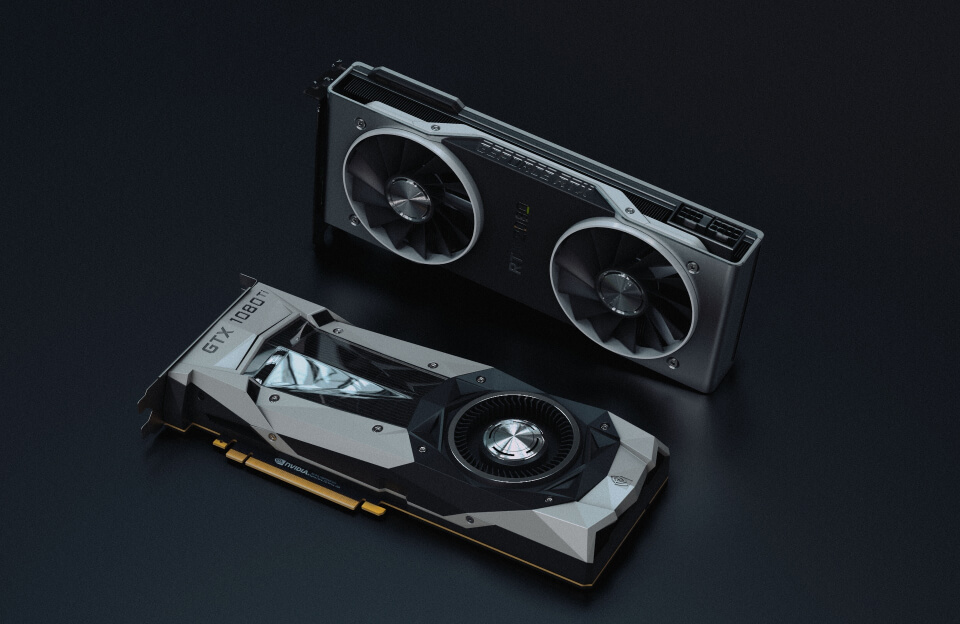
A newer graphics card not only boosts frame rates but also includes drivers and hardware features designed to cut latency. NVIDIA’s Reflex and AMD’s Anti‑Lag technologies insert a “frame‑queue” that synchronizes GPU rendering with input processing, effectively reducing the time from input to display. Pair a GPU that supports these features—such as the RTX 4070 or Radeon RX 7700—with the appropriate driver settings for maximum impact. Detailed technical background on these technologies can be found on NIST (search for low‑latency gaming research).
Fine‑Tune Your System Settings
Hardware upgrades are only part of the equation; software configuration can undo the gains if left unchecked. Disable Windows visual effects, enable Game Mode, and ensure that your power plan is set to High Performance. Additionally, limit background processes that might consume CPU cycles, and consider using a wired Ethernet connection instead of Wi‑Fi to avoid network‑induced lag. For a comprehensive checklist, see the USB Implementers Forum guidelines on polling and latency.
Key Upgrades Checklist
- NVMe PCIe 4.0 SSD (minimum 1 TB)
- 240 Hz or higher monitor with 1 ms response time and G‑Sync/FreeSync
- Gaming mouse and keyboard with 1,000 Hz polling rate
- Graphics card supporting NVIDIA Reflex or AMD Anti‑Lag
- Wired Ethernet or high‑quality Wi‑Fi 6E router
- Optimized OS settings (Game Mode, High Performance power plan)
Conclusion: Upgrade Smart, Play Faster
Reducing input lag is a multilayered effort that starts with the right Gaming PC upgrades and ends with meticulous system tuning. By investing in faster storage, a high‑refresh‑rate monitor, high‑polling peripherals, and a modern GPU with low‑latency drivers, you eliminate the hidden milliseconds that can cost you a win. Remember, the goal isn’t just more frames per second; it’s delivering those frames to the screen the instant you press a button.
Ready to feel the difference? Upgrade the components listed above today and experience sharper, more responsive gameplay. Share your results in the comments, and let us know which upgrade gave you the biggest edge!
Frequently Asked Questions
Q1. What is input lag and why does it matter for gamers?
Input lag is the delay between a user action and its visual representation on screen. It can cost valuable milliseconds in competitive play, making reactions feel sluggish. Reducing lag improves responsiveness and can be the difference between winning and losing.
Q2. How does an NVMe SSD reduce gaming latency?
NVMe SSDs access data via PCIe lanes, offering much higher read speeds and lower I/O latency than SATA SSDs. Faster asset loading means the CPU spends less time waiting for data, which keeps the frame pipeline moving and reduces perceived lag.
Q3. What monitor specs should I look for to minimise input lag?
Aim for a refresh rate of 240 Hz or higher with a response time of 1 ms gray‑to‑gray. Additionally, choose a panel that supports G‑Sync or FreeSync to synchronize the GPU output with the display’s refresh cycle, effectively eliminating stutter and additional lag.
Q4. Does a higher peripheral polling rate really make a noticeable difference?
Yes. Increasing a mouse or keyboard polling rate from 125 Hz (8 ms) to 1,000 Hz (1 ms) reduces the time it takes for your actions to be reported to the system. The cumulative effect across many inputs can feel noticeably snappier, especially in fast‑paced shooters.
Q5. How can I optimise my Windows settings for low latency gaming?
Disable unnecessary visual effects, enable Game Mode, and set the power plan to High Performance. Close background applications that use CPU or disk resources, and prefer a wired Ethernet connection over Wi‑Fi to eliminate network latency.