When you decide to upgrade a gaming PC for modern graphics APIs like DirectX 12, Vulkan, and ray tracing, you’re not just swapping parts—you’re future‑proofing your entire rig. The latest APIs demand higher bandwidth, more compute cores, and faster memory, so understanding which components deliver the biggest performance lift is essential. In this guide we’ll walk through the most impactful upgrades, explain how each ties into API efficiency, and give you a step‑by‑step plan that works for budgets ranging from modest to high‑end. Whether you’re chasing smoother 144 Hz gameplay or aiming for photorealistic ray‑traced worlds, the right upgrades will keep your system competitive for years to come.
Why Upgrade a Gaming PC for Modern APIs
Modern graphics APIs expose hardware features that older architectures simply can’t leverage. DirectX 12 and Vulkan, for example, use asynchronous compute and explicit multi‑threading, which means the GPU must have plenty of shader cores and a high‑speed memory interface. Ray tracing adds a dedicated RT core or tensor units to accelerate bounding‑volume hierarchy calculations. Without a compatible GPU, the API falls back to legacy pathways, resulting in lower frame rates and higher CPU load. Upgrading ensures your rig can fully exploit these efficiencies, turning developer intent into tangible visual fidelity.
Assessing the Core Bottleneck Before You Upgrade a Gaming PC
Before you start buying parts, identify the current performance limiter. Use tools like HWiNFO or MSI Afterburner to monitor CPU, GPU, and memory utilization while running a DirectX 12‑heavy benchmark such as 3DMark Time Spy. If the GPU consistently hits 100% while the CPU stays below 50%, your next upgrade should focus on the graphics card. Conversely, a CPU‑bound scenario calls for a processor and possibly motherboard refresh. Understanding this balance saves money and maximizes the impact of each component swap.
Key Components to Upgrade a Gaming PC for Modern APIs
Below is a prioritized list of upgrades that directly influence API performance. Each item includes why it matters and what to look for when shopping.
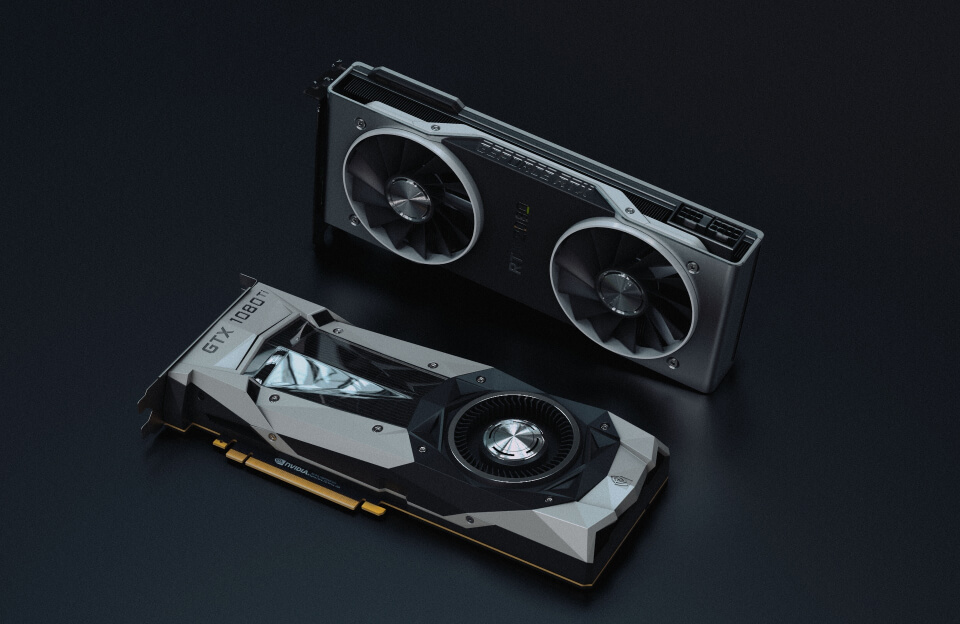
- GPU (Graphics Card): Aim for a model with dedicated ray‑tracing cores and at least 8 GB of GDDR6 memory. Nvidia’s RTX 30‑series and AMD’s RX 6000‑series are built around DirectX 12 Ultimate and Vulkan support.
- CPU (Processor): Modern APIs rely on multi‑threaded command submission. Choose a CPU with high core count and strong single‑thread performance—Intel’s 12th‑gen Core i7/i9 or AMD Ryzen 5/7 7000 series are solid choices.
- Motherboard & PCIe Slot: Ensure the board supports PCIe 4.0 (or 5.0 for future GPUs). This doubles the bandwidth compared to PCIe 3.0, crucial for high‑throughput data paths used by Vulkan.
- Power Supply Unit (PSU): New GPUs can draw 300 W or more. A quality 80+ Gold certified 650 W–850 W PSU provides stable power and protects components.
- Storage (SSD): NVMe drives on a PCIe 3.0/4.0 interface cut load times dramatically, allowing quicker asset streaming in open‑world games that use DirectX 12’s async compute.
- Cooling System: Efficient cooling maintains boost clocks. Consider an all‑in‑one (AIO) liquid cooler for the CPU and additional case fans for airflow.
Prioritize the GPU first, then address any CPU or motherboard constraints that prevent you from fully utilizing the new card.
Step‑by‑Step Process to Upgrade a Gaming PC for Modern Graphics APIs
Follow this systematic approach to minimize downtime and avoid common pitfalls.
- Back up your data and create a system restore point.
- Uninstall existing GPU drivers using DDU (Display Driver Uninstaller) in safe mode.
- Power down, disconnect all cables, and open the case.
- Remove the old GPU, inspecting the PCIe slot for dust.
- If upgrading the CPU, remove the cooler, swap the processor, and apply fresh thermal paste.
- Install the new GPU, ensuring it clicks firmly into the PCIe slot and connects the required power cables.
- Re‑attach any additional case fans or AIO radiators, verifying airflow direction.
- Close the case, reconnect peripherals, and power on.
- Download and install the latest drivers from the manufacturer’s website—Nvidia or AMD.
- Configure Windows settings: enable Game Mode, set Power Plan to High Performance, and ensure the monitor is running at its native refresh rate.
- Run a benchmark (e.g., 3DMark Time Spy) to confirm performance gains and check that the GPU is using the correct API version.
After completing these steps, you should see smoother frame rates, reduced latency, and the ability to enable advanced graphics features like DLSS or FidelityFX Super Resolution.
Optimizing Software to Complement Your Hardware Upgrade
Hardware alone isn’t enough; driver and OS settings play a critical role. Ensure you’re running the latest version of Windows 10/11, as newer builds include DirectX 12 updates and better scheduler efficiency. In the graphics driver control panel, enable “Hardware‑accelerated GPU scheduling” (Windows 10 version 2004+). For Vulkan, verify that games are launching with the appropriate VULKAN_DRIVER environment variable if needed. Finally, keep your game titles patched—developers frequently release updates that add or improve API support.
Future‑Proofing: What to Watch for After You Upgrade a Gaming PC
Even after a successful upgrade, stay informed about emerging standards. The industry is moving toward DirectX 13 and Vulkan 1.3, which will introduce features like mesh shaders and variable rate shading. Monitoring hardware roadmaps from Nvidia (Wikipedia) and AMD (Wikipedia) can help you anticipate the next upgrade cycle. Additionally, consider allocating budget for a higher‑capacity NVMe SSD or a secondary PCIe 5.0 GPU in the future, as file sizes and texture resolutions continue to grow.
Bottom Line
Upgrading a gaming PC for modern graphics APIs is a strategic investment that pays off in visual fidelity, performance, and longevity. By focusing on the GPU, ensuring a capable CPU and motherboard, and fine‑tuning software settings, you can unlock the full potential of DirectX 12, Vulkan, and ray tracing. Remember to assess your current bottlenecks, follow a disciplined installation process, and keep your system drivers current.
Ready to unleash next‑gen graphics? Start your upgrade today and dominate the battlefield with buttery‑smooth frame rates and jaw‑dropping visuals!
Frequently Asked Questions
Q1. How do I know which component is the bottleneck in my current gaming PC?
Use monitoring tools such as HWiNFO or MSI Afterburner while running a DirectX 12‑heavy benchmark like 3DMark Time Spy. Observe the utilization percentages; if the GPU is constantly at 100 % and the CPU stays below 50 %, the GPU is the bottleneck. Conversely, high CPU usage with lower GPU load points to the processor as the limiting factor. Identifying the bottleneck helps you prioritize the most effective upgrade.
Q2. Is it worth upgrading to a GPU with ray‑tracing cores?
Yes, especially if you play titles that support DirectX 12 Ultimate or Vulkan ray tracing. Modern GPUs with dedicated RT cores (e.g., Nvidia RTX 30‑series or AMD RX 6000‑series) handle ray‑tracing calculations far more efficiently than older cards, delivering higher frame rates and better visual fidelity. Even when ray tracing is disabled, these cards often have superior rasterisation performance.
Q3. What CPU should I pair with a high‑end RTX 30‑series card?
A processor with strong single‑thread performance and at least 8 cores is ideal. Intel 12th‑gen Core i7/i9 or AMD Ryzen 5/7 7000 series provide the necessary multi‑threaded command submission for DirectX 12 and Vulkan. Pairing a balanced CPU prevents bottlenecks and lets the GPU operate at its full potential.
Q4. Do I need a new power supply when I upgrade my graphics card?
Most modern high‑end GPUs draw 300 W or more, so a quality 80+ Gold PSU rated between 650 W and 850 W is recommended. Ensure the PSU has the required PCIe power connectors (6‑pin or 8‑pin) for your new card. Using an under‑powered supply can cause instability, crashes, or reduced performance.
Q5. How can I ensure my system takes full advantage of DirectX 12 and Vulkan after an upgrade?
First, install the latest graphics drivers directly from Nvidia or AMD. Enable Windows features like “Hardware‑accelerated GPU scheduling” and set the power plan to High Performance. Finally, verify in‑game settings that the correct API (DirectX 12 or Vulkan) is selected and run a benchmark to confirm the performance gains.