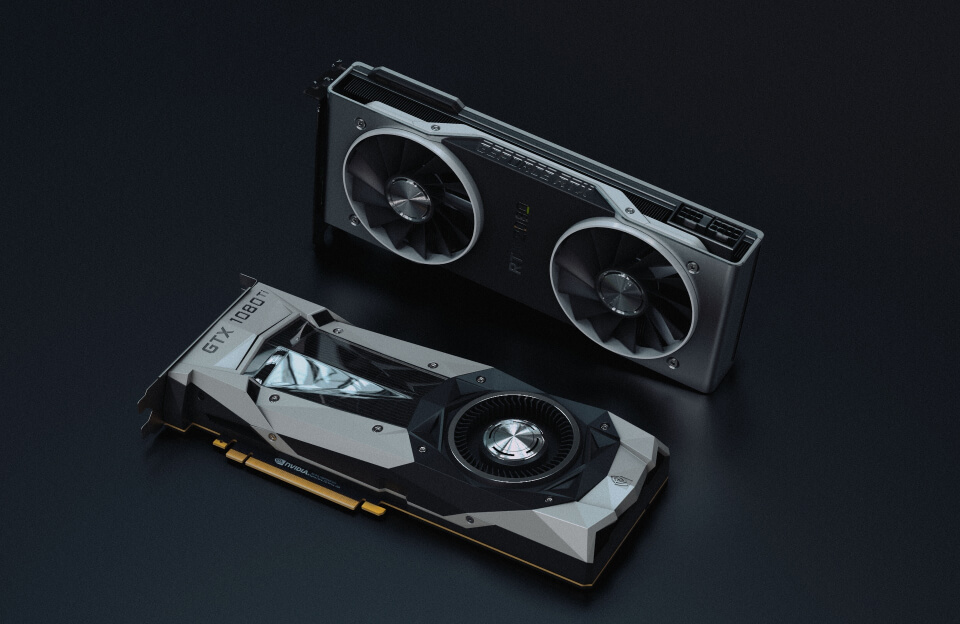
When it comes to high‑performance gaming rigs, heat is the silent enemy that can throttle frames, shorten component lifespan, and raise noise levels. Gaming PC upgrades that improve cooling performance are therefore essential investments for serious gamers. By targeting the most heat‑prone parts of your system—CPU, GPU, and the chassis itself—you can unlock higher boost clocks, maintain stable framerates, and keep your workstation whisper‑quiet. In this guide we’ll explore the most effective upgrades, explain why they work, and show how you can implement them without breaking the bank.
Upgrade the CPU Cooler
The processor is often the hottest single component in a gaming PC. Stock coolers that come bundled with many CPUs are adequate for everyday tasks but usually lack the capacity to dissipate the extra heat generated during extended gaming sessions. Replacing the stock cooler with a high‑performance air cooler or an all‑in‑one (AIO) liquid unit can drop temperatures by 10–20 °C, allowing the CPU to sustain higher boost frequencies.
When selecting a new cooler, look for a model with a large heatsink surface area, multiple heat‑pipe channels, and a high static pressure fan. Brands such as Noctua, be quiet!, and Cooler Master consistently rank among the top performers in independent testing. For example, the computer cooling article on Wikipedia notes that heat‑pipe density directly correlates with thermal efficiency.
Installation is straightforward: remove the existing cooler, clean the CPU IHS with isopropyl alcohol, apply a pea‑sized amount of high‑quality thermal paste, and mount the new cooler according to the manufacturer’s instructions. This simple upgrade can improve CPU temperatures enough to eliminate thermal throttling in popular titles like Cyberpunk 2077 and Red Dead Redemption 2.
Switch to a Superior GPU Cooling Solution
Graphics cards can consume 250 W or more under load, making robust cooling critical. While many modern GPUs feature efficient blower or dual‑fan designs, aftermarket solutions can still provide measurable gains, especially for custom‑built rigs.
One option is to replace the stock cooler with a third‑party air cooler designed specifically for your GPU model. Companies like Arctic and EVGA offer kits that feature larger heatsinks and more powerful fans, improving airflow across the GPU die. Another avenue is to install a dedicated liquid cooling bracket that connects to an AIO or custom loop, moving heat directly away from the GPU onto a radiator.
Recent advances in GPU cooling technologies include vapor chamber designs and micro‑fin structures that spread heat more evenly. Upgrading to a card with these features—or retrofitting an existing card—can cut GPU temperatures by 5–15 °C, translating into higher stable frame rates and quieter operation.
Improve Case Airflow with Fans and Filters
Even the best component‑level coolers will struggle if the chassis does not provide adequate airflow. Air circulation moves hot air out of the case and draws cool air in, creating a pressure differential that maximizes heat extraction. Here are the key steps to optimize case airflow:
- Strategic Fan Placement: Install intake fans at the front and bottom of the case to draw cool air, and exhaust fans at the rear and top to expel warm air.
- Use High‑Static‑Pressure Fans: These fans push air through tight spaces such as dust filters and dense component arrays more effectively than high‑airflow fans.
- Maintain Positive Pressure: Slightly more intake than exhaust reduces dust buildup on internal components.
- Clean Dust Filters Regularly: Accumulated dust can restrict airflow by up to 30 %.
When selecting fans, look for models rated at 1500 RPM or higher with a respectable static pressure rating (measured in mmH₂O). Brands such as Corsair, Noctua, and Phanteks provide reliable options. Pairing these fans with magnetic dust filters—like those described in a Intel thermal analysis guide—helps maintain airflow while keeping the interior clean.
Add a Liquid Cooling Loop
For ultimate thermal performance, many enthusiasts turn to custom liquid cooling loops. These systems circulate coolant through blocks attached to the CPU, GPU, and sometimes even the VRM, transferring heat to radiators where it is dissipated by fans. While more complex and expensive than AIO solutions, a well‑designed loop can achieve the lowest possible temperatures across the board.
Key components of a custom loop include:
- Water Blocks: Choose CPU and GPU blocks made from copper or nickel‑plated copper for superior conductivity.
- Radiators: Larger radiators (e.g., 360 mm or 480 mm) equipped with high‑static‑pressure fans maximize heat exchange.
- Pumps and Reservoirs: Ensure reliable flow rates; a pump rated at 1200 L/h is generally sufficient for a single‑CPU, single‑GPU setup.
- Coolant: Use premixed, non‑conductive coolant to prevent corrosion and microbial growth.
Installation requires careful planning: measure tube lengths, avoid kinks, and secure blocks with proper mounting hardware. Once assembled, a custom loop can reduce CPU and GPU temperatures by 15–30 °C under load, providing a performance edge in heat‑sensitive titles and enabling quieter fan operation.
Conclusion
Investing in gaming PC upgrades that improve cooling performance pays dividends in stability, longevity, and gaming experience. Whether you swap out a stock CPU cooler, adopt a superior GPU cooling solution, enhance case airflow, or dive into a custom liquid cooling loop, each upgrade directly addresses the heat generated by modern hardware. Start with the most cost‑effective changes—clean filters and add a high‑static‑pressure fan—then progress to component‑level upgrades as budget allows.
Ready to transform your rig? Browse our curated selection of top‑rated coolers, fans, and liquid‑cooling kits today and enjoy cooler, quieter gaming sessions tomorrow. Upgrade now and feel the difference!
Frequently Asked Questions
Q1. Why does upgrading the CPU cooler improve gaming performance?
Upgrading the CPU cooler reduces the processor’s temperature, which prevents thermal throttling during long gaming sessions. Lower temps allow the CPU to sustain higher boost clocks, resulting in smoother frame rates. Additionally, a better cooler often runs quieter, improving overall immersion.
Q2. Are aftermarket GPU coolers worth the investment?
Aftermarket GPU coolers can provide 5–15 °C lower temperatures compared to stock solutions, especially on high‑power cards. This temperature drop can translate into higher stable boost clocks and less fan noise. However, they may require more space and careful installation, so check compatibility first.
Q3. How can I improve case airflow without buying a new chassis?
Optimizing fan placement—intake at the front/bottom and exhaust at the rear/top—creates a steady airflow path. Using high‑static‑pressure fans and maintaining positive pressure helps push air through dust filters and dense component areas. Regularly cleaning filters and cables also preserves airflow efficiency.
Q4. What are the main advantages of a custom liquid‑cooling loop over an AIO?
A custom loop lets you cool multiple components (CPU, GPU, VRM) with larger radiators, delivering the lowest possible temperatures. It offers aesthetic flexibility with colored coolant and tubing. While more expensive and complex, it provides better performance headroom and quieter operation when properly tuned.
Q5. Does adding more fans increase noise levels?
Adding fans can increase noise if they spin at high RPM, but choosing high‑quality, low‑noise fans or running them at lower speeds with PWM control mitigates this. Proper fan curves balance cooling and acoustic performance. Maintaining positive pressure also reduces the need for high fan speeds.